July 21, 2026 | 21:57 GMT +7
Hotline: 0913.378.918

July 21, 2026 | 21:57 GMT +7
Hotline: 0913.378.918
Editor's note: From time immemorial, the sea has always been present in the history and consciousness of the Vietnamese people as a space for survival, trade, and expansion. Boats riding the waves out to sea carry not only goods but also the aspirations of a maritime-oriented nation. Possessing over 3.260 km of coastline, an exclusive economic zone of over 1 million square kilometers, and a strategic position amidst the world's busiest shipping lanes, Viet Nam has long been recognized as a maritime country.
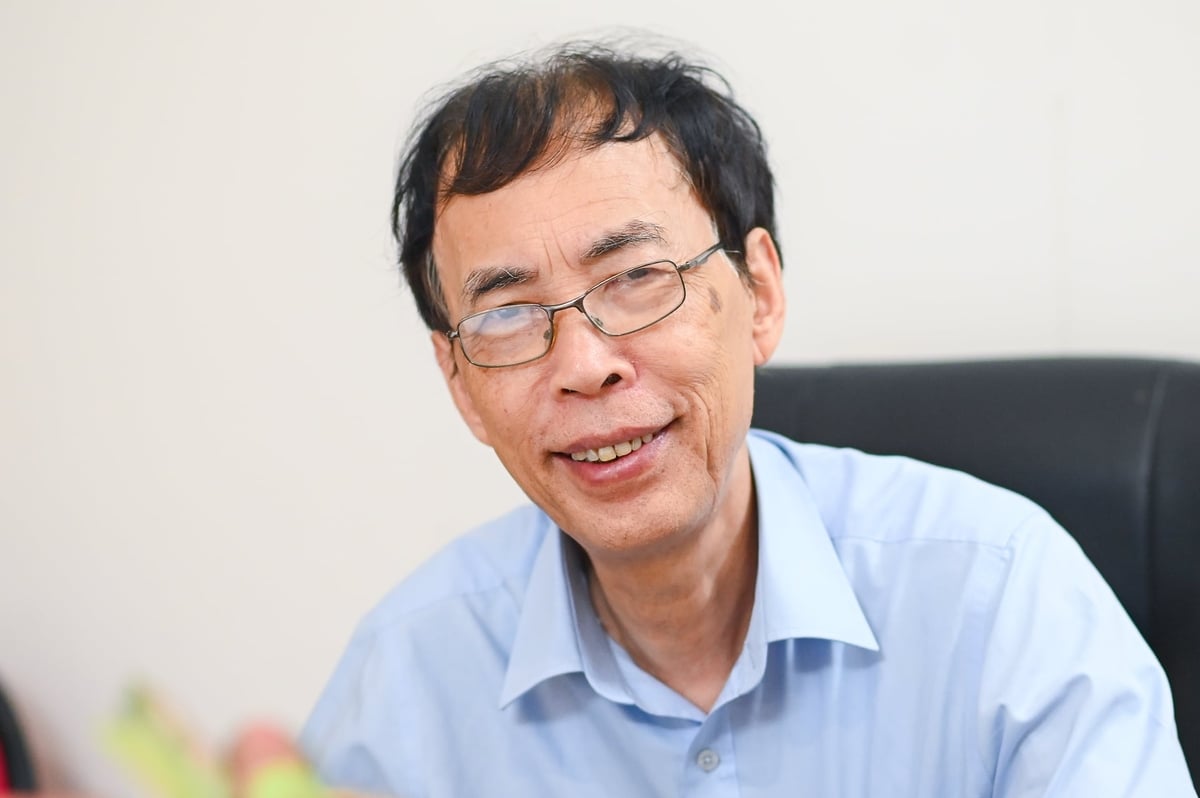
Dr. Vo Tri Thanh discussing the Blue Economy model. Photo: Dinh Duc Tung.
Singapore transformed from a small island with virtually no natural resources into a premier global hub for ports, logistics, and finance through a sea-linked strategy. South Korea rose from postwar ruins to become a global industrial, shipbuilding, and maritime transport powerhouse. Their success demonstrates that a nation's strength lies not in its territorial size or available resources, but in its ability to turn the sea into a space for development and a driver of growth.
Entering the era of national rise, the aspiration to transform Viet Nam into a developed nation demands a fresh growth mindset. In this vision, the ocean must become a space for value creation, innovation, and the elevation of national competitiveness.
In an interview with the Agriculture and Environment Newspaper, Dr. Vo Tri Thanh, former Vice President of the Central Institute for Economic Management (CIEM), stated that this new development mindset must be viewed through the lens of the Blue Economy. Viet Nam’s goal is not just to be strong in the marine economy, but to be strong through it. This is the path to constructing a new growth model, where the ocean inspires innovation, green development, and national prosperity.
Viet Nam aims for double-digit economic growth during the 2026-2030 period. How do you evaluate the role of the marine economy in Viet Nam's economic growth?
During his lifetime, President Ho Chi Minh emphasized that Viet Nam possesses a massive maritime advantage. With a long coastline, an important geostrategic location, and abundant resources, the sea has long served as a special development space for the country. However, under current circumstances, our maritime focus must be tied to a new vision for development.
When setting a double-digit growth target for the period 2026-2030, Viet Nam needs not only rapid growth but also sustainable, inclusive, and people-centered growth. This is also closely linked to Viet Nam's international commitments on green growth, net zero emissions, and sustainable development.
To sustain a high growth rate, the marine economy must grow fast enough and evolve innovatively. It needs to develop along greener, more modern lines, generating higher added value. This is the exact spirit of the Blue Economy.
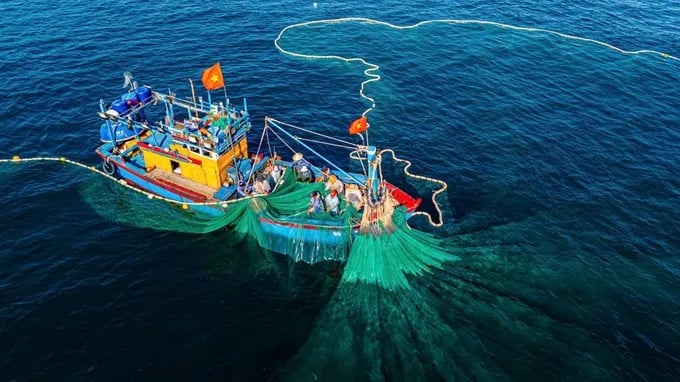
A fishing boat extracting marine resources within Vietnam's sovereign waters. Photo: Dung Nhan.
From this perspective, we can identify at least four major drivers that the marine economy injects into Viet Nam's growth.
Firstly, many maritime economic sectors already contribute significantly to the national economy and have enormous potential for further growth. From oil and gas, energy, and marine tourism to logistics and maritime transport, these are all areas with the potential for strong future growth. Renewable energy, especially offshore wind power, is opening up entirely new avenues for development. Meanwhile, with its strategic location on international shipping routes, Viet Nam has ample opportunity to build logistics businesses with regional scale and competitiveness.
Secondly, the maritime economy is where the goals of growth and sustainable development are most clearly aligned. This is the path to ensuring the country's long-term competitiveness, highly valued by the international community and consistent with global development trends.
Thirdly, the sea opens up vast opportunities for international cooperation. From ASEAN's Blue Economy initiatives to cooperation programs on green finance, renewable energy, and marine conservation, Viet Nam has the opportunity to access advanced capital, technology, knowledge, and management expertise from around the world. With its geostrategic position, Viet Nam can certainly become a crucial link in global trade, investment, and innovation flows.
Fourth, the marine economy provides a favorable environment for promoting innovation and technology application. From smart port management, digital logistics, offshore energy to high-tech aquaculture, science and technology will help improve productivity, increase economic value, and create new industries for the future.
In the current marine economic sectors, how can we innovate the growth model and increase economic value, sir?
Viet Nam's maritime economy encompasses many important sectors such as aquaculture and fisheries, oil and gas, offshore renewable energy, wind power, marine tourism, logistics, and maritime transport. These are all sectors with great potential. However, the challenge lies in generating higher value from existing resources. This requires a shift in development thinking. The maritime economy must be linked to technology, innovation, new business models, and participation in global value chains.
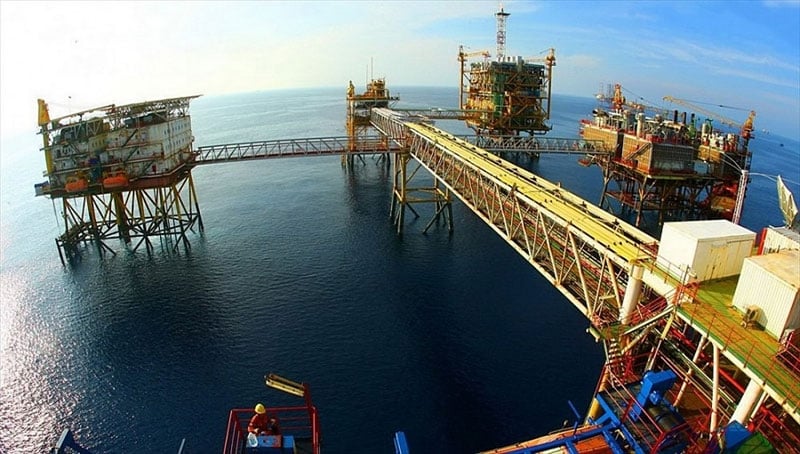
Environmental protection combined with oil and gas corporate culture. Photo: Petrovietnam.
In the fisheries sector, growth potential lies in deep processing, brand building, traceability, and the application of technology in marine aquaculture. For marine tourism, the focus should shift from increasing the number of visitors to improving the quality of the experience and the value of spending. In the energy sector, offshore wind power and new forms of marine energy could become strategic economic sectors of the future.
We must revitalize marine economic sectors while maintaining a strong connection to sustainable development, balancing value creation with adaptation to climate change, and ensuring an inclusive economy where people benefit from the achievements of marine economic development.
To achieve this, Viet Nam needs a sufficiently strong supporting ecosystem. Infrastructure is a prerequisite, from seaports and logistics to energy and coastal connectivity. Policy also plays a particularly important role, especially in human resource training, scientific and technological development, and enhancing understanding of international law.
Furthermore, it is time for Viet Nam to build a synchronized and modern marine economic data system. Data is the foundation for governance, attracting investment, and accessing international financial resources. Currently, the world is strongly promoting "Blue Finance" initiatives with various tools such as green bonds, ODA capital, and sustainable development investment funds. To participate effectively in this trend, we must have a transparent and reliable information system.
I believe that the marine economy needs to be placed within a "Go Global" mindset. The sea is an open space and closely linked to international supply chains. Therefore, Viet Nam needs corporations capable of competing at the regional and global levels, from logistics, maritime transport, and ports to energy and maritime services. These could be private or state-owned enterprises; these leading enterprises will create new ecosystems, attracting investment, technology, and high-quality human resources.
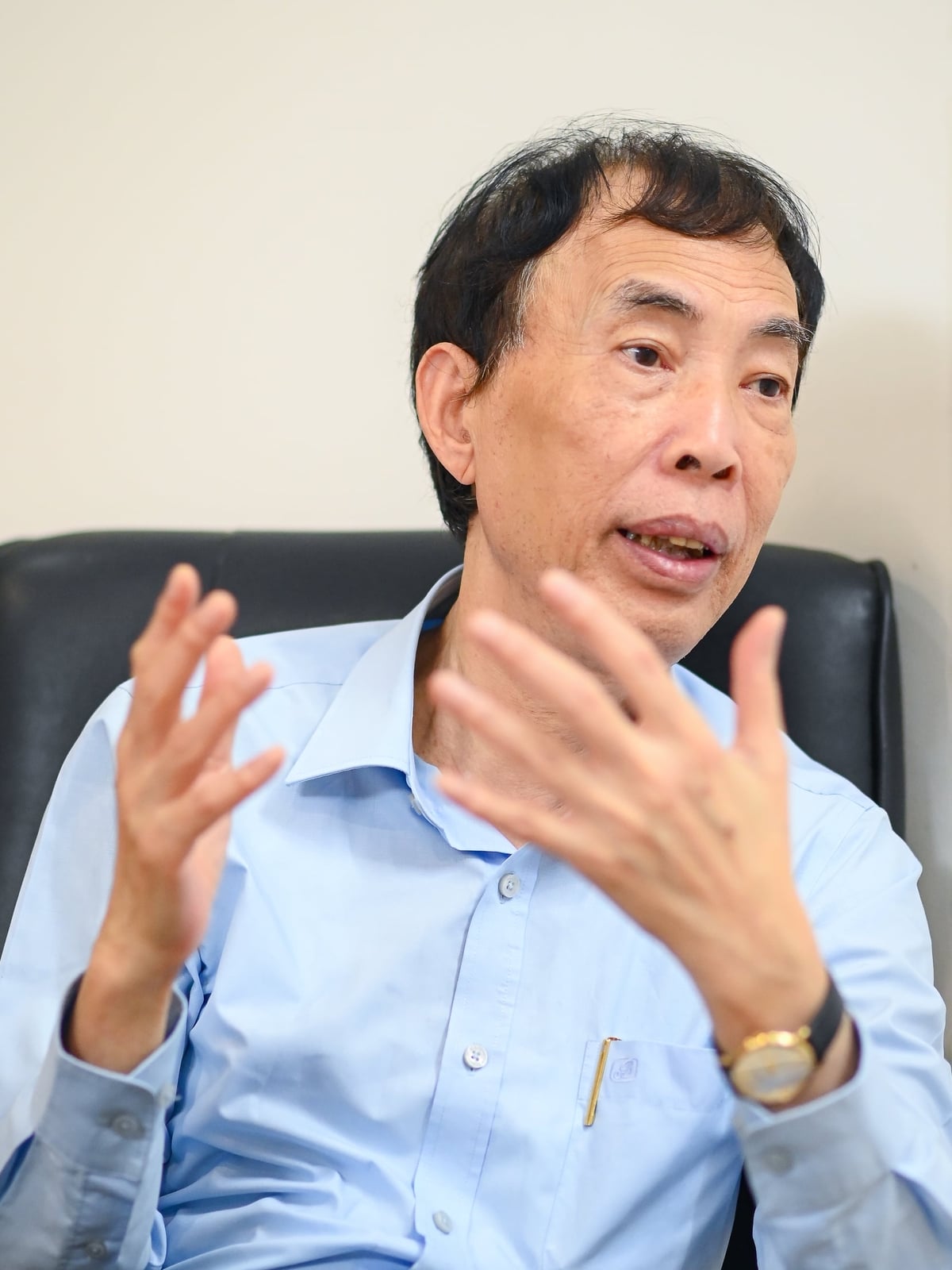
According to Dr. Vo Tri Thanh, the marine economy must be positioned within a "Go Global" mindset. Photo: Dinh Duc Tung.
Speaking of "Go Global" and international alliances, statistics show that southern seaports transship USD 1.000 billion (26.298.300.000.000.000 VND) worth of cargo annually, yet billions in profits flow back to financial hubs like Singapore, Hong Kong, and London. How can Viet Nam retain these profits?
Viet Nam’s maritime and logistics potential is enormous. We are one of the most open economies globally, with import-export turnover reaching USD 475 billion (12.491.692.500.000.000 VND) in 2025. This shows we have leveraged integration and our geoeconomic position well.
The underlying question is how much value we retain across the entire service chain attached to the cargo flowing through Viet Nam.
In the long run, Viet Nam must develop a marine economic ecosystem that matches its potential. We need internationally competitive seaports and a strong shipping fleet. The core issue is not just securing a spot in the supply chain, but determining how much value Viet Nam can generate and retain throughout the entire end-to-end journey of goods. If we succeed, the benefits from the sea will expand beyond simple transshipment into logistics, finance, services, and multiple other sectors.
That is the only way for Viet Nam's maritime economy to develop in a manner commensurate with its geostrategic position and the advantages we possess.
Recently, several private Vietnamese corporations have developed massive sea reclamation urban projects worth tens of billions of dollars, such as Vingroup, Sun Group, and Xuan Thien. How do you assess private resource participation in marine development?Sea reclamation urban development is not a new concept globally. In Viet Nam, while this model appeared earlier at a minor scale, its current footprint is substantially larger.
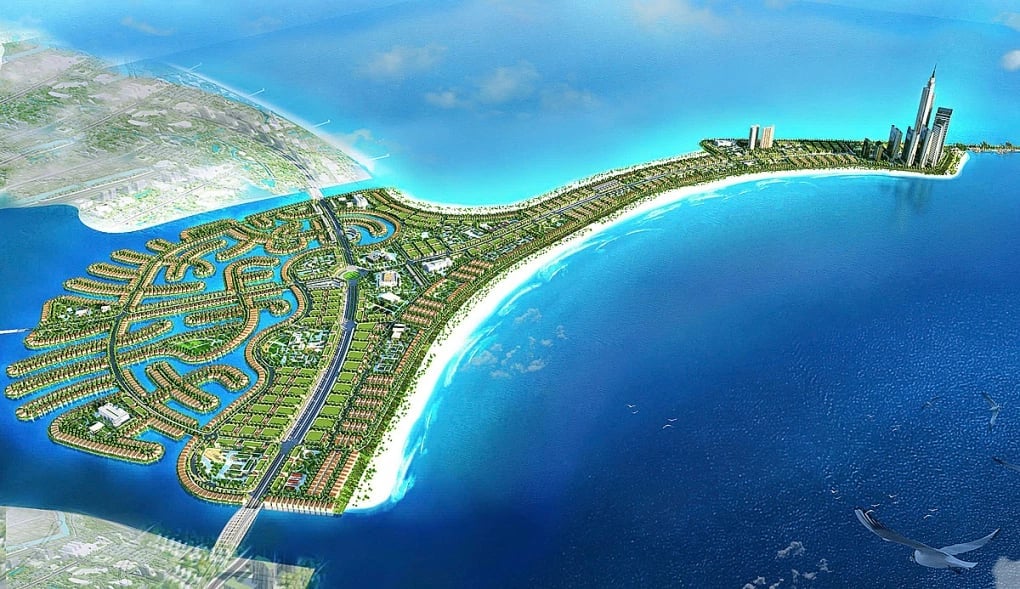
Perspective of the Can Gio sea reclamation urban project. Photo: Vingroup.
In my opinion, there are three particularly important issues that need to be addressed in the planning and development of coastal urban areas.
Firstly, these urban areas must be linked to the economic development strategy, including the marine economy. Urban areas are not simply places to live or develop real estate. They must be spaces that create new value, where production, services, tourism, logistics, innovation, and marine economic sectors all thrive. The planning vision plays a decisive role.
Secondly, the development process must be linked to inclusive economic goals, meaning that not only the wealthy benefit, but also jobs are created, and the people benefit from the development process. This is the essence of the Blue Economy.
Thirdly, all coastal development projects must be considered in the context of ensuring national defense, security, and sustainable development.
Looking at the lessons from the Netherlands, South Korea, and Singapore, can Viet Nam successfully enter a maritime-centric era? What are the primary challenges?
There's a very famous saying from the past: "Viet Nam is not only strong because of digital technology, but must be strong through digital technology." Viet Nam is a maritime nation, possessing a unique geoeconomic and geostrategic position in the region. Viet Nam must not only be strong in its maritime economy, but must be strong through its maritime economy - following the Blue Economy model.
Of course, realizing this aspiration requires enormous resources. Given the limited state resources, the private sector and international resources will play a particularly important role. What Viet Nam needs are businesses capable of venturing into the global market, "Go Global," maritime economic conglomerates with international brands, mastering technology, deeply involved in global value chains, and creating a ripple effect throughout the entire economy. This is also the overarching spirit of recent major policies such as Resolution 68 and 79.
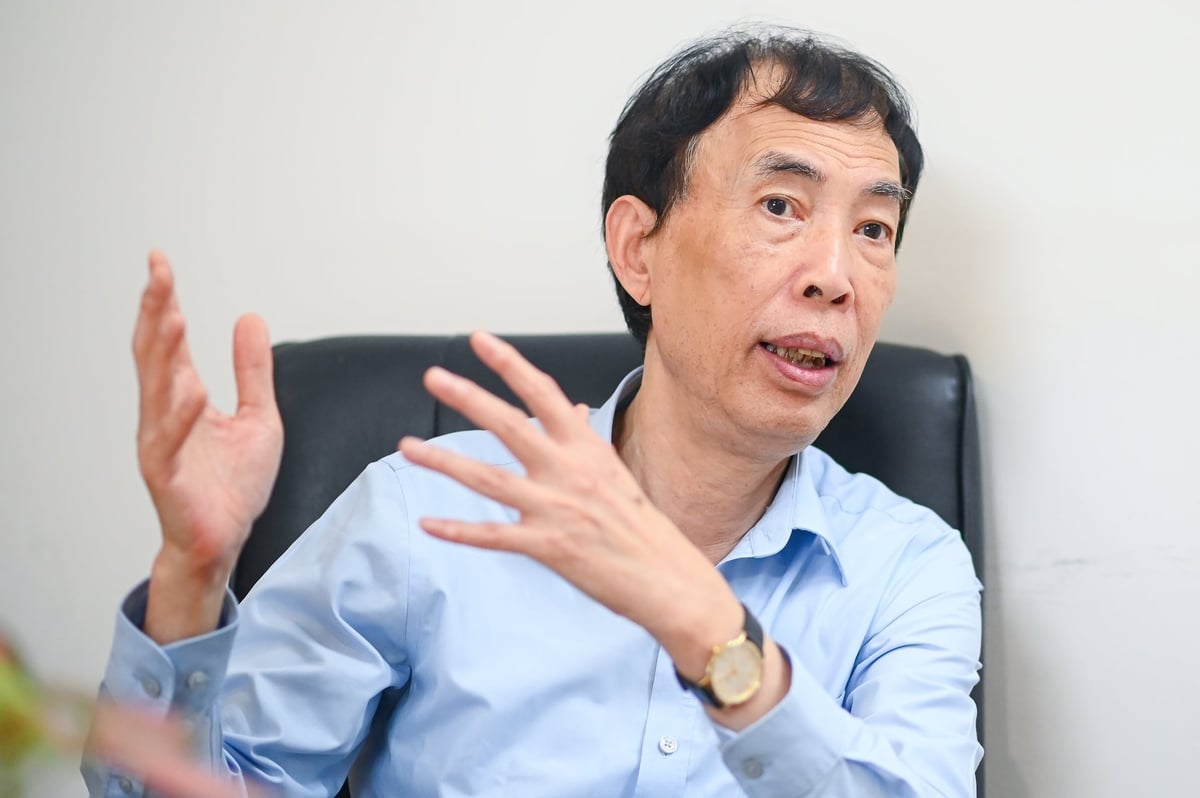
Marine economic development demands massive private and international resources. Photo: Dinh Duc Tung.
Becoming a maritime nation undoubtedly presents significant challenges. How can we transform these challenges into opportunities, sir?
The challenges, however, are substantial, and the greatest hurdle is awareness. For a long time, the marine economy was viewed primarily through the lens of resource extraction. In contrast, the modern Blue Economy concept demands a broader approach, treating the ocean as a development space anchored in innovation, green growth, and sustainability.
Furthermore, marine economic development is inextricably linked to protecting maritime sovereignty, which requires a peaceful, stable, and cooperative regional environment.
Our infrastructure still faces limitations; seaports, logistics, shipping fleets, warehousing, and sea-to-inland connectivity require intensive, continuous investment. We still have immense room to form international-standard port and logistics hubs. Balancing open-door policies to attract global resources while building domestic autonomy and corporate competitiveness remains a vital task.
Ultimately, these challenges double as opportunities for Viet Nam to renew its development mindset, accelerate institutional reforms, and build a modern, highly competitive blue marine economy for the future.
Thank you, sir!
$ 1 = VND 26,456 - Source: Vietcombank.
Translated by Ha Chi

(VAN) International resource mobilization for energy transition investment projects has yet to keep pace with Vietnam’s efforts to improve its energy policy framework.
(VAN) Viet Nam's forestry sector is shifting from resource extraction to the development of strategic ecological infrastructure, opening new drivers for the green economy and the carbon market.
![Scientists' strength: [8] Fairness and creative motivation](https://t.ex-cdn.com/nongnghiepmoitruong.vn/608w/files/content/2026/07/16/pgsts-dang-van-dong-cham-soc-hoa-lay-on-103239_191-082039.jpg)
(VAN) Scientists must enjoy proportionate benefits from the intellectual products they create.

(VAN) The sugarcane industry is shifting its focus from expanding cultivation area to improving the quality of raw material zones in order to build sustainable competitive advantage.
![HCMC fisheries complies with the law: [Final] Technology fills the gaps](https://t.ex-cdn.com/nongnghiepmoitruong.vn/608w/files/huytd/2026/07/17/1455-3-133654_171.jpg)
(VAN) Through smart vessel positioning solutions and the digitalization of fishing logbooks, HCMC is proactively tightening control of inactive fishing vessels, closing management loopholes from shore.
![Scientists' strength: [7] Waiting for a broad mechanism](https://t.ex-cdn.com/nongnghiepmoitruong.vn/608w/files/anhntk/2026/06/23/1119-dsc00323-nongnghiep-081103.jpeg)
(VAN) Besides developing new rice varieties, scientists also have to worry about finances, resources, and research aspirations.
![Scientists' strength: [6] Need a medicine strong enough](https://t.ex-cdn.com/nongnghiepmoitruong.vn/608w/files/benlc/2026/07/12/1618-chatgpt-image-12_15_17-10-thg-7-2026-122814_896.jpeg)
(VAN) Retaining scientists requires not only income but also a conducive research environment, a meritocratic mechanism, and trust.
