July 21, 2026 | 21:18 GMT +7
Hotline: 0913.378.918

July 21, 2026 | 21:18 GMT +7
Hotline: 0913.378.918
In a new phase of development demanding fast and sustainable growth, continuing to perfect legal frameworks and policies for the sea has become an urgent requirement to unlock resources and maximize national maritime potential.
Viet Nam is a maritime nation occupying an exceptionally vital geostrategic position within the Asia-Pacific region. With a coastline spanning over 3.260 km, thousands of islands, and an expansive sea territory, the ocean is not only a precious resource but also an international gateway connecting Viet Nam to dynamic global economic hubs.
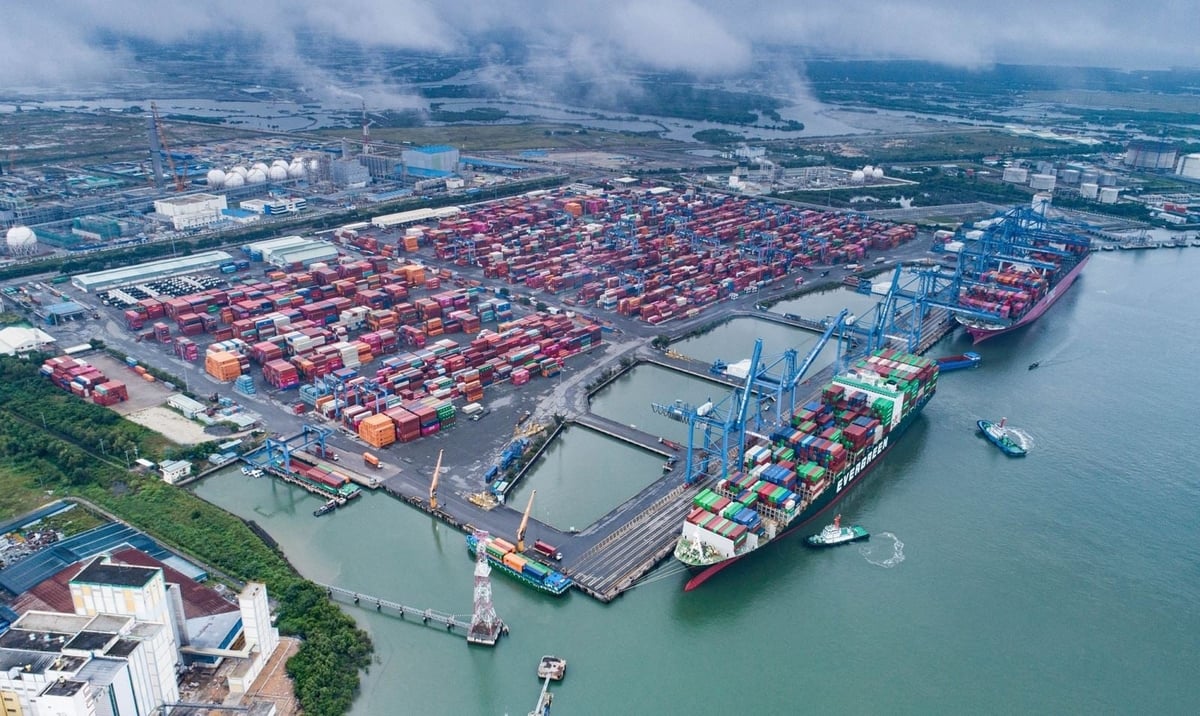
Vietnam is a maritime nation holding an exceptionally important geostrategic position in the Asia-Pacific region. Photo: baobariavungtau.com.vn.
Resolution No. 36-NQ/TW on the Strategy for Sustainable Development of Viet Nam's Marine Economy to 2030, with a vision to 2045, clearly defines the objective of transforming Viet Nam into a country that is strong and wealthy from the sea. After over seven years of implementation, public awareness regarding the role of the ocean has risen significantly. Multiple sectors-such as seaports, logistics, marine tourism, renewable energy extraction, and high-tech aquaculture-have recorded positive steps forward.
However, taken as a whole, maritime potential and advantages have not been exploited commensurately. The contribution of marine sectors to the national economy has not yet met expectations. This reality demands a renewed mindset in maritime development, taking institutional refinement as a breakthrough step to clear paths for investment resources and innovation.
Over many years, Viet Nam's maritime legal system has been gradually built up through the Law on the Sea of Viet Nam, the Law on Marine and Island Resources and Environment, and various related legal documents. Nevertheless, practical management and development are giving rise to new issues that require ongoing legal adjustments.
A key current requirement is building an integrated and unified management mechanism for national marine spatial planning. The sea is a shared space where multiple economic activities-such as resource extraction, maritime transport, tourism, marine farming, renewable energy, and defense operations-take place simultaneously. Lacking synchronized coordination leads to overlaps, conflicting interests, and reduced resource efficiency.
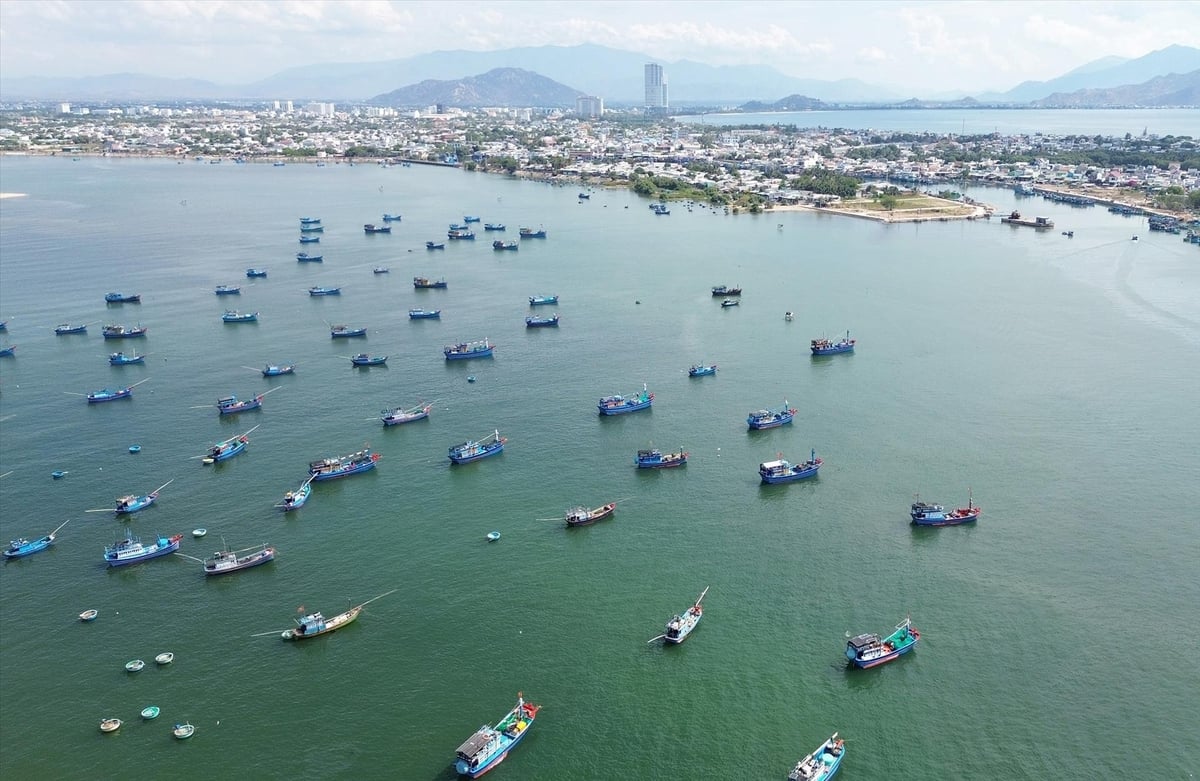
A key current requirement is building an integrated and unified management mechanism for national marine spatial planning. Photo: VNA.
The upcoming amendment and perfection of the Law on Marine and Island Resources and Environment, currently being studied by functional bodies, offers a vital opportunity to fully institutionalize the party's orientations on sustainable marine economic development while resolving bottlenecks arising during enforcement.
Concurrently, Viet Nam needs to promptly build legal corridors for emerging marine economic sectors such as offshore wind, circular marine economies, green economies, low-carbon initiatives, industrial marine farming, and modern maritime services. These fields are evaluated to have the capacity to generate growth breakthroughs in the coming decades.
For Viet Nam, developing the marine economy extends beyond economics; it is tightly bound to the mission of protecting national sovereignty, sovereign rights, and jurisdiction at sea.
The nation's history of construction and defense demonstrates that the sea serves as both a vital living space and a strategic defensive line. Therefore, all marine development policies must be positioned within the overarching strategy of defending the fatherland from early on and from afar.
Maritime infrastructure, seaports, offshore renewable energy, resource extraction, and coastal economic zone projects must be planned synchronically to ensure harmony between economic growth targets and defense requirements.
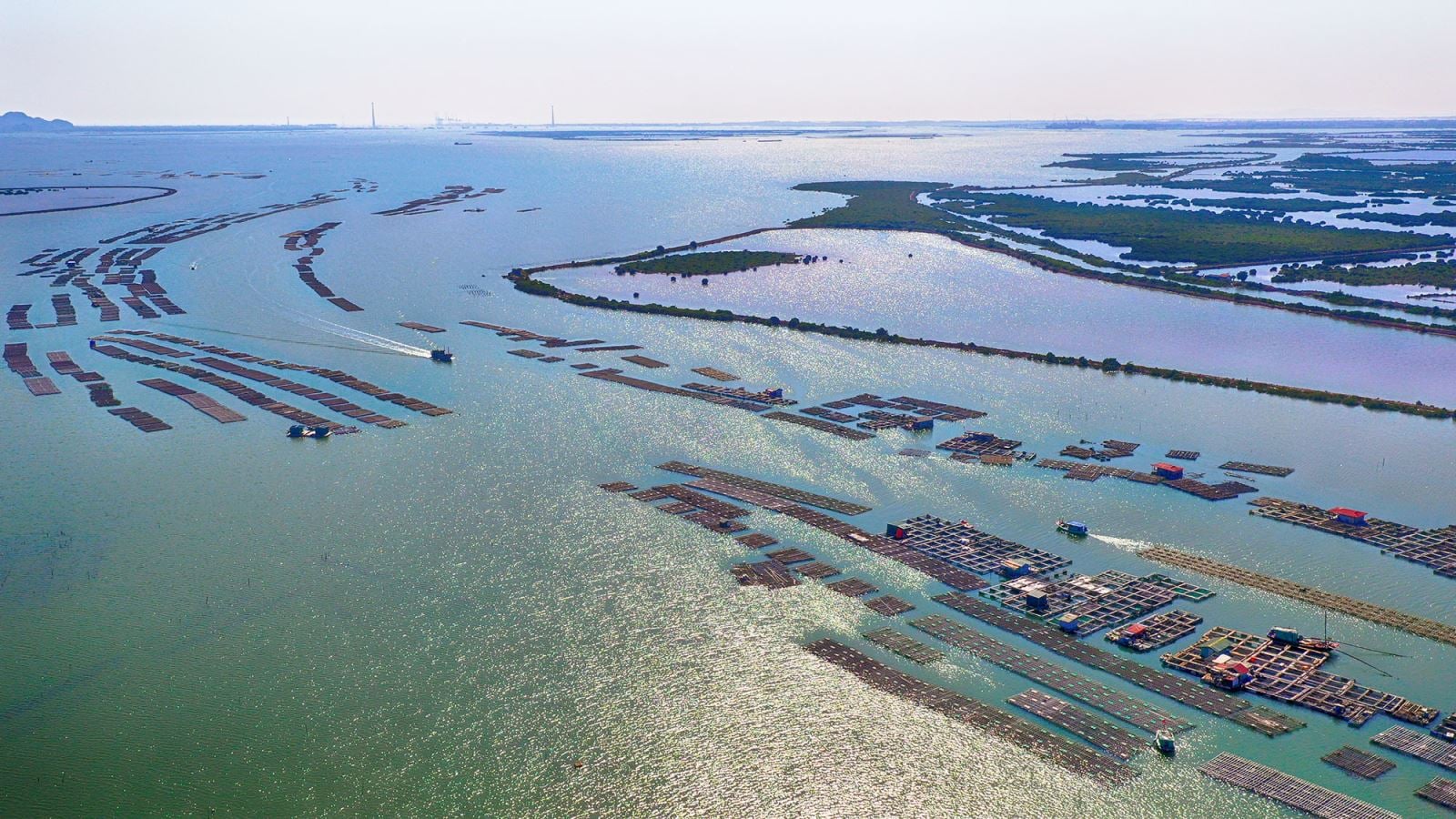
Developing the marine economy extends beyond economics, remaining tightly bound to the mission of protecting national sovereignty, sovereign rights, and jurisdiction at sea. Photo: baoquangninh.com.vn.
As strategic competition at sea intensifies alongside climate change, environmental pollution, and complex non-traditional security challenges, establishing sustainable marine development policies becomes increasingly urgent.
At the same time, it is essential to leverage marine diplomacy, strengthen international cooperation in scientific research, environmental protection, technology transfer, and high-quality human resource training, and strictly implement international commitments alongside the 1982 United Nations Convention on the Law of the Sea (UNCLOS), maintaining a peaceful and stable environment for development.
To realize the goal of making Viet Nam strong and wealthy from the sea, breakthrough steps in both mindset and action are highly necessary.
First, there must be a definitive shift from traditional raw resource extraction to sustainable development models anchored in green economies, circular economies, and innovation.
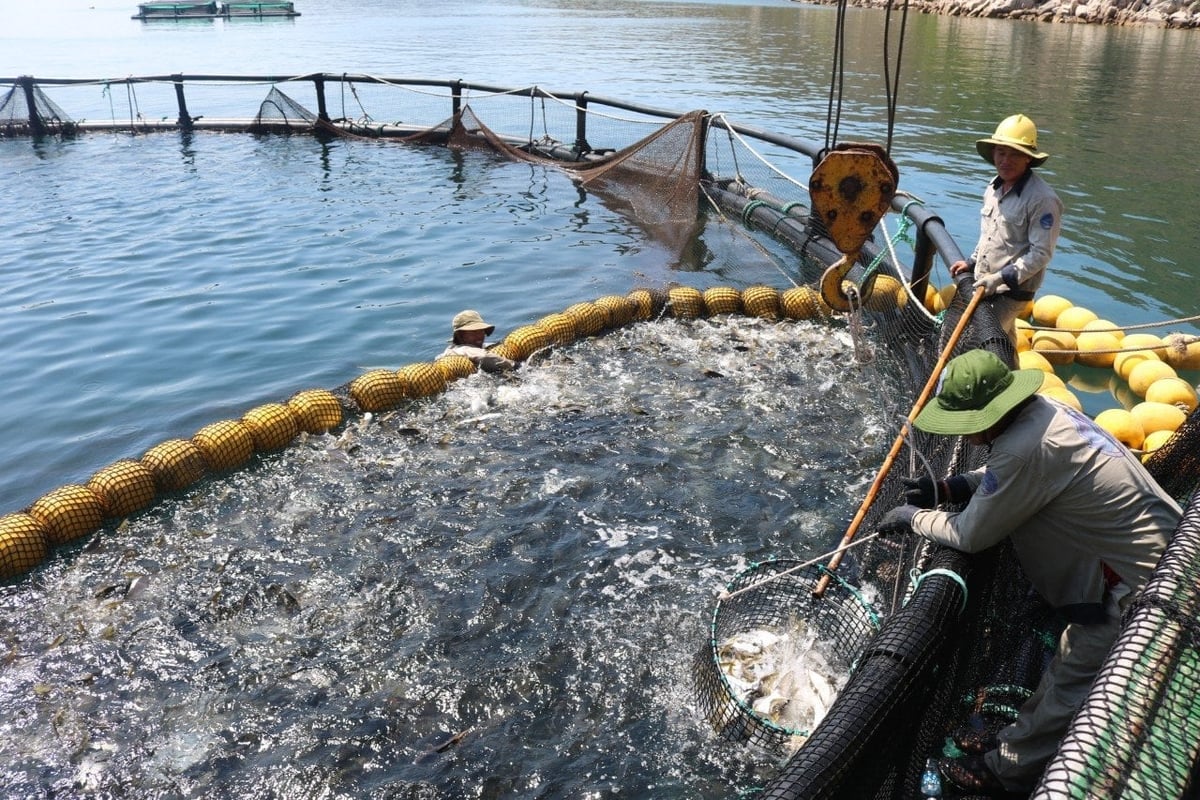
The sea is a shared space where multiple economic activities take place simultaneously, including resource extraction, maritime transport, tourism, marine farming, renewable energy, and defense. Photo: Minh Tam.
Alongside this, a modern marine governance system must be established based on digital data, applying science, technology, and artificial intelligence to resource management, environmental forecasting, and marine spatial planning.
Crucially, Viet Nam must formulate robust mechanism policies to attract social resources-particularly from the private economic sector-to invest in maritime infrastructure, offshore wind, logistics, and high-tech marine industries.
The ocean is opening up unprecedented development opportunities for Viet Nam. Perfecting institutions and policies is not just a state management requirement but a prerequisite to unleash resources, release productive forces, leverage national maritime advantages, and create a firm foundation for fast, sustainable growth in a new era.
The Role of the National Assembly
Over the years, the National Assembly has enacted multiple vital laws regarding seas and islands, decided on large programs, planning, and projects, and intensified supervision over the execution of marine economic development and environmental protection strategies. For the National Assembly's National Defense and Security Committee and the Foreign Affairs Committee, participating in verifying draft laws and supervising the implementation of policies and laws on seas and islands remains a core focus. Throughout their duties, the committees consistently prioritize the close integration of marine economic development with consolidating national defense, security, and expanding foreign relations.
Translated by Ha Chi

(VAN) International resource mobilization for energy transition investment projects has yet to keep pace with Vietnam’s efforts to improve its energy policy framework.

(VAN) Viet Nam's forestry sector is shifting from resource extraction to the development of strategic ecological infrastructure, opening new drivers for the green economy and the carbon market.
![Scientists' strength: [8] Fairness and creative motivation](https://t.ex-cdn.com/nongnghiepmoitruong.vn/608w/files/content/2026/07/16/pgsts-dang-van-dong-cham-soc-hoa-lay-on-103239_191-082039.jpg)
(VAN) Scientists must enjoy proportionate benefits from the intellectual products they create.

(VAN) The sugarcane industry is shifting its focus from expanding cultivation area to improving the quality of raw material zones in order to build sustainable competitive advantage.
![HCMC fisheries complies with the law: [Final] Technology fills the gaps](https://t.ex-cdn.com/nongnghiepmoitruong.vn/608w/files/huytd/2026/07/17/1455-3-133654_171.jpg)
(VAN) Through smart vessel positioning solutions and the digitalization of fishing logbooks, HCMC is proactively tightening control of inactive fishing vessels, closing management loopholes from shore.
![Scientists' strength: [7] Waiting for a broad mechanism](https://t.ex-cdn.com/nongnghiepmoitruong.vn/608w/files/anhntk/2026/06/23/1119-dsc00323-nongnghiep-081103.jpeg)
(VAN) Besides developing new rice varieties, scientists also have to worry about finances, resources, and research aspirations.
![Scientists' strength: [6] Need a medicine strong enough](https://t.ex-cdn.com/nongnghiepmoitruong.vn/608w/files/benlc/2026/07/12/1618-chatgpt-image-12_15_17-10-thg-7-2026-122814_896.jpeg)
(VAN) Retaining scientists requires not only income but also a conducive research environment, a meritocratic mechanism, and trust.
