July 21, 2026 | 21:16 GMT +7
Hotline: 0913.378.918

July 21, 2026 | 21:16 GMT +7
Hotline: 0913.378.918
In recent years, initiatives to protect forests, wetland ecosystems, and marine ecosystems in many localities have become exemplary models, spreading a sense of environmental responsibility among communities across the country.
These stories are not new phenomena that have only emerged recently. In fact, they have long been embedded in village conventions, traditional festivals, customs, and cultural practices of many communities and ethnic groups.
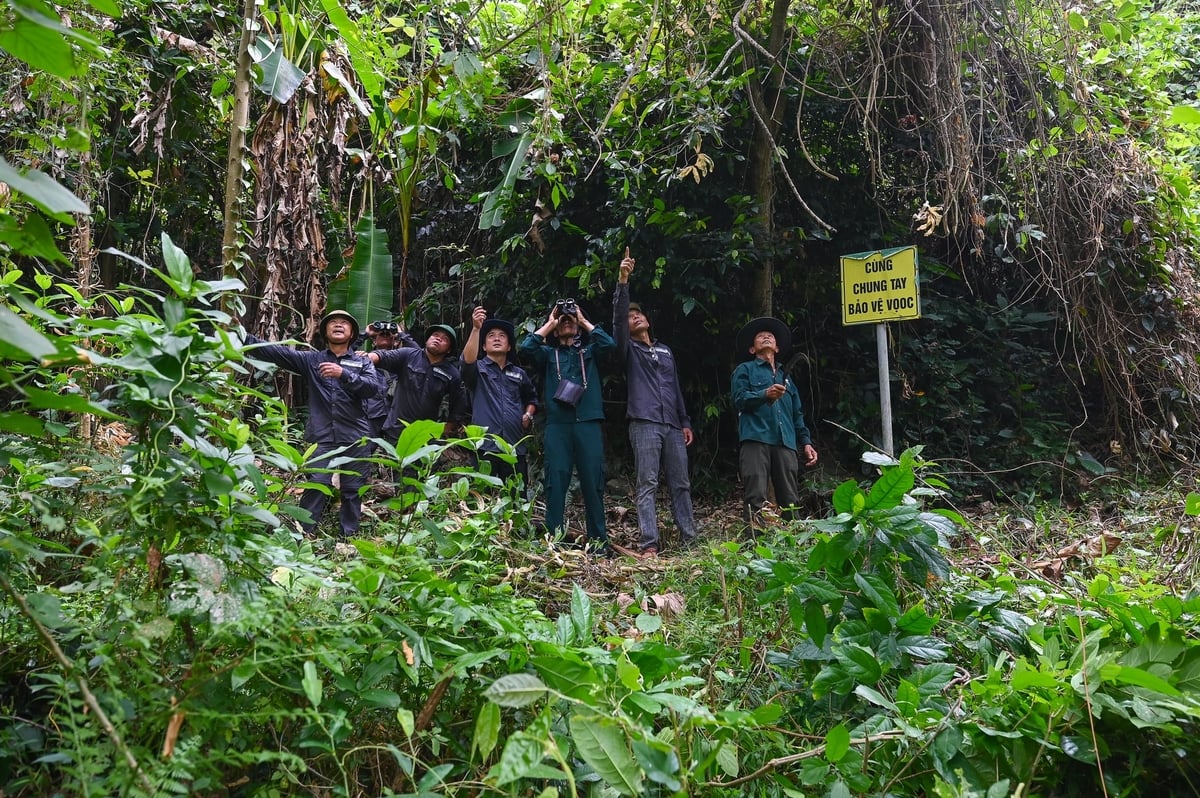
The Tam My Community Forest Patrol and Protection Group in Da Nang City. Photo: Tung Dinh.
Examples include traditional festivals honoring forest spirits and water deities, fishermen’s worship festivals, and new rice celebration ceremonies. These are valuable cultural traditions created by previous generations and passed down through countless generations. They teach people to live in harmony with nature, stay connected to the natural world, protect the environment, and express gratitude for the natural resources that have contributed to peaceful, prosperous, and better lives. Therefore, these traditions represent more than just cultural beauty; they reflect an awakening of human awareness and responsibility toward the living spaces we inhabit.
By embracing and inheriting community knowledge and indigenous wisdom in conserving, protecting, and developing nature and ecological systems, concrete actions for environmental protection have been elevated to a new level, becoming an effective and strategic approach to biodiversity conservation.
According to the international definition, OECM is a strategic tool that expands biodiversity conservation beyond traditional protected areas. This model empowers communities, organizations, and individuals to participate in resource management, combining ecosystem protection with sustainable livelihood development. It provides a solution to mobilize collective resources to protect, conserve, and develop natural ecosystems in a diverse, flexible, responsible, and effective manner.

The Ba Dau Reef Community Co-management Group in Tam Xuan Commune, Da Nang City. Photo: Tung Dinh.
In Viet Nam, the development of OECMs has been incorporated into the National Biodiversity Strategy through 2030. This model plays an essential role in creating “green corridors” to expand conservation spaces, connecting fragmented protected areas into ecological corridors that allow wildlife and plant species to migrate and thrive, without requiring land-use conversion into special-use forests.
The value brought by this approach goes beyond initial expectations. Conserved and restored ecosystems have created sustainable livelihoods for local communities, enabling people to benefit directly from the ecosystems they help protect. These include community-based economic development models, as well as the cultivation of medicinal plants and specialty crops under forest canopies. Those who protect nature are also the ones who benefit from the values and outcomes generated by their conservation efforts. This, in turn, mobilizes the participation of society as a whole and transforms the mindset from “setting aside areas for protection” toward a more inclusive approach: “connecting communities to conserve together.”
Effective OECM models currently operating in Viet Nam include the community forest patrol and protection team in Tam My Commune, the community co-management group managing 64 hectares of marine area in Tam Xuan Commune (Da Nang City), the forest protection patrol team in Trang Ta Puong Village (Huong Lap Commune, Quang Tri Province), and the community forest patrol and protection team in Tan My Residential Area (Phong Dien Ward, Hue City), among others. These models provide the most practical and representative evidence of this approach's effectiveness.
Local people’s livelihoods have improved, while the quality of the environment and ecosystems continues to increase. The sustainability and effectiveness of this approach have been recognized by grassroots authorities. Communities have become an “extended arm” supporting local governments and relevant agencies in implementing tasks, plans, and strategies for ecosystem protection and biodiversity conservation.
Assessing the potential of OECMs, Deputy Director of the Department of Agriculture and Environment of Da Nang City Vu Thi Bich Hau said: “In the current context, biodiversity conservation cannot be considered solely the responsibility of state management agencies or technical forces. Conservation can only be truly sustainable when local communities are recognized as partners, as those who understand their territories, are closely connected with natural resources, and are most frequently present on the ground.”
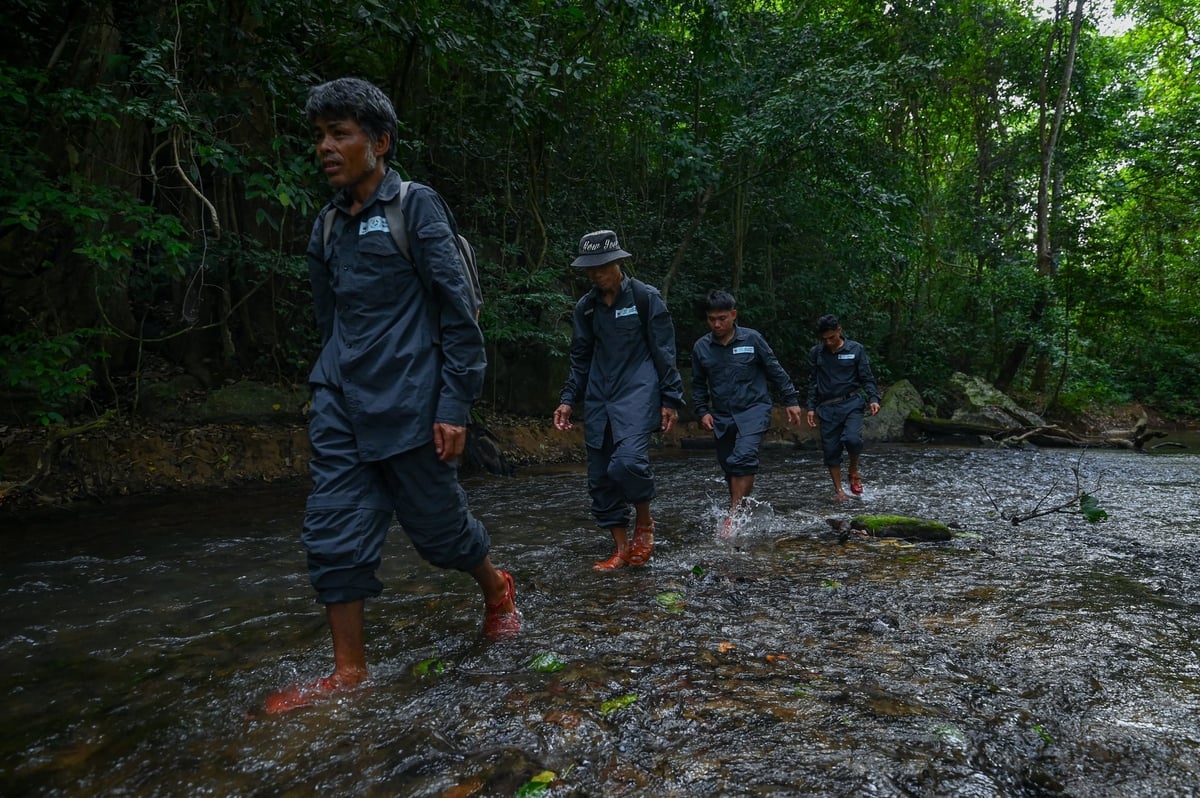
The Trang Ta Puong Community Forest Protection Group in Huong Lap Commune, Quang Tri Province. Photo: Tung Dinh.
For Da Nang City, according to Ms. Hau, following the administrative merger, the city’s development space has been expanded. Da Nang now possesses a highly diverse ecological landscape, including forests, seas, rivers, streams, wetlands, coastal reefs, mountainous areas, agricultural zones, and many areas of high biodiversity value. Within this broader ecological picture, the role of local communities has become increasingly important.
“Practical experience shows that in many areas, local people are not merely participating as supporters, but have become directly involved in species and habitat protection, patrols, monitoring, early detection of risks, and coordination with authorities, forest rangers, fisheries enforcement forces, and technical agencies in addressing emerging issues. Models such as community participation in protecting the grey-shanked douc langur in Tam My, co-management of aquatic resources at the Ba Dau – Ha Loc reef area, and efforts to protect natural resources in mountainous regions demonstrate that community-based conservation is no longer just a slogan, but a valuable practice in reality.
The most valuable aspect is that local people are gradually shifting from the role of “those being mobilized” to becoming “co-managers, co-conservers, and beneficiaries”. This is an important foundation for Da Nang to make practical contributions to the objectives of the National Biodiversity Strategy and the Global Biodiversity Framework, particularly the goal of effective, inclusive conservation with meaningful community participation,” Ms. Hau assessed.
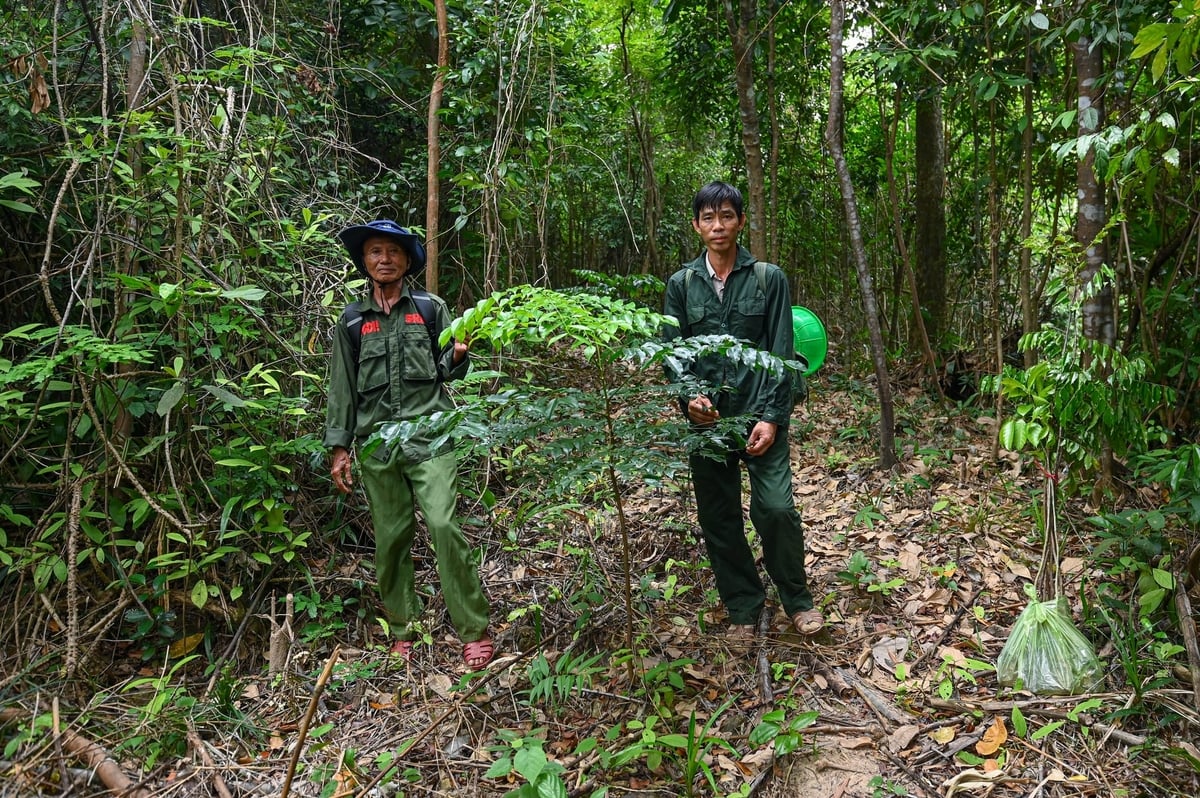
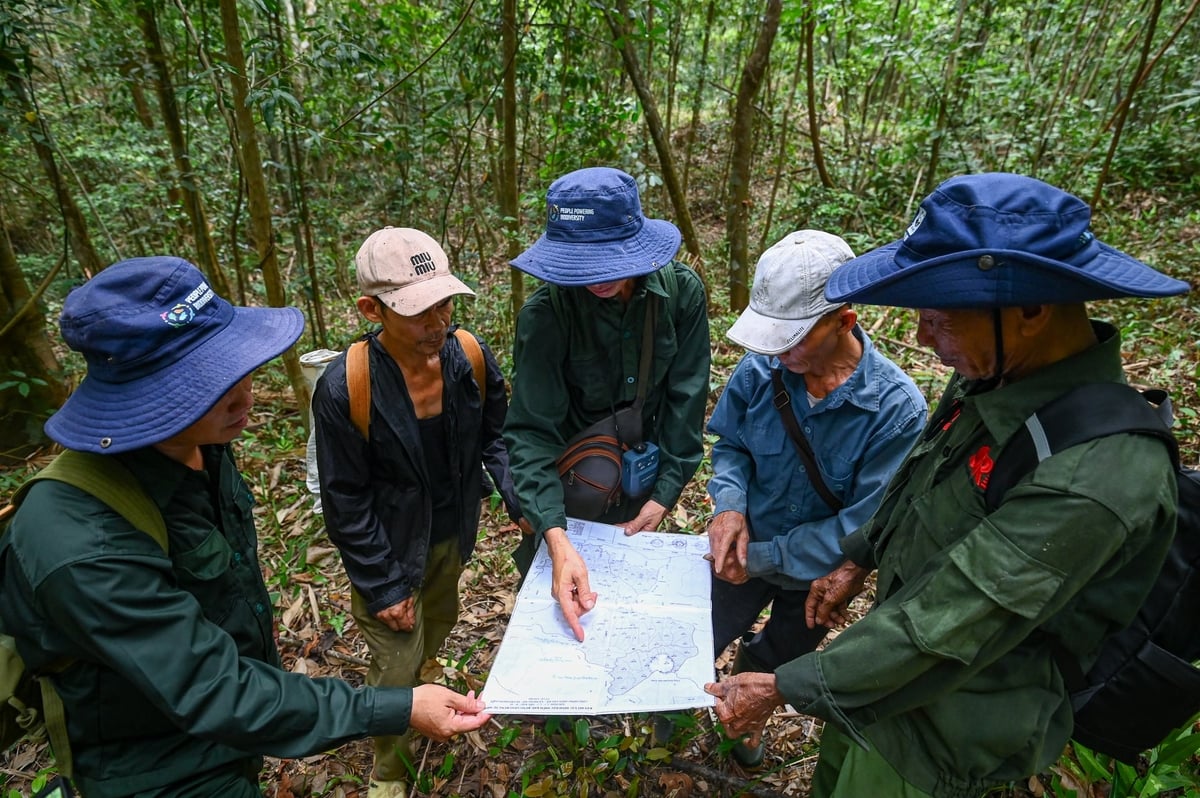
The Tan My Community Forest Protection Group in Hue City. Photo: Tung Dinh.
According to Mr. Le Ngoc Tuan, Director of the Forest Protection Department of Hue City, the locality has developed a model of the Tan My Community Forest Protection Group, which is responsible for managing and protecting 560 hectares of forest in Phong Dien Ward. He described the model as one of the exemplary approaches to community-based forest management and protection.
The outstanding feature of the model is that local residents truly regard the forest as a shared asset and a long-term source of livelihood, motivating them to actively participate in forest protection with a strong sense of responsibility.
Mr. Tuan said that, following the implementation of the Forest Allocation, Forest Leasing, and Forest Recovery Scheme for the 2010-2014 period and subsequent years, Hue City has allocated more than 31,626 hectares of forest to 88 communities, 225 household groups, 157 individual households, and two border guard stations for management. This has created an important foundation for promoting the role of local people in forest protection, biodiversity conservation, and sustainable forestry development.
“The coordination between community groups, local authorities, and forest rangers has contributed to effectively protecting existing forest areas, safeguarding water resources, ecological landscapes, and biodiversity, while supporting local efforts to achieve environmental protection, climate change adaptation, and sustainable development goals. It can be affirmed that community groups serve as an ‘extended arm’ of local authorities and grassroots forest protection forces, playing a key role in mobilizing public participation in forest protection and preserving biodiversity values for future generations,” Mr. Tuan emphasized.
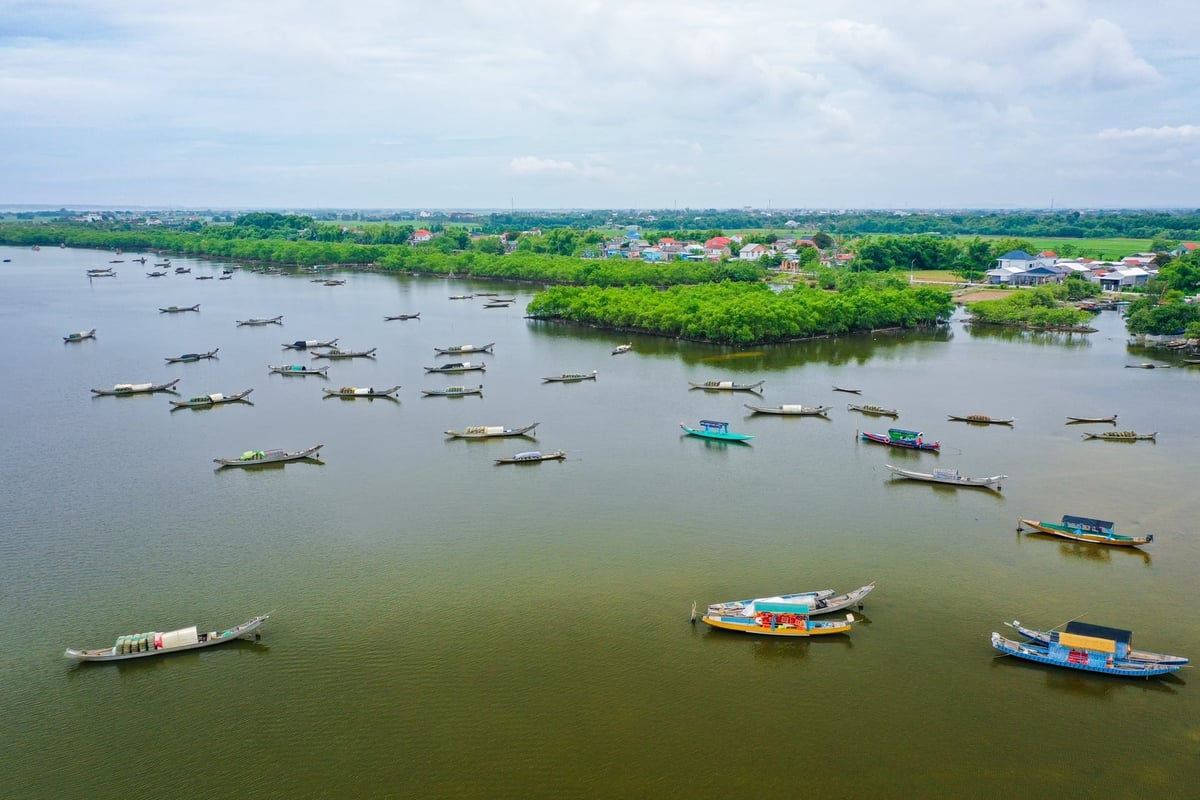
Biodiversity and ecosystems are conserved and protected through the collective efforts of communities. Photo: Tung Dinh.
Many other areas where appropriate conservation measures can be applied
“In addition to establishing systems of marine protected areas, mangrove forests classified as special-use forests, and aquatic resource protection zones, Vietnam still has many other areas where appropriate conservation measures can be implemented. These approaches can help improve management effectiveness while harmonizing economic development, improving local livelihoods, and conserving nature and biodiversity.”
Mr. Bui Chinh Nghia, Director General of the NBCA/MAE
WWF-Vietnam looks forward to continued partnership
“OECM is an important approach to expanding the effectiveness of conservation at the landscape level while contributing to the achievement of national and international biodiversity targets. With a policy foundation already established, increasing attention from management agencies and local authorities, along with the engagement of numerous partners, we believe this is an opportune time for Vietnam to gradually put OECM into practice. WWF-Vietnam looks forward to continuing its partnership with the Ministry of Agriculture and Environment, localities, and partners to share international knowledge and experience, support learning processes, and help refine approaches that are suitable for Vietnam’s practical conditions.”
CEO WWF-Viet Nam Van Ngoc Thinh
Translated by Kieu Chi

(VAN) International resource mobilization for energy transition investment projects has yet to keep pace with Vietnam’s efforts to improve its energy policy framework.
(VAN) Viet Nam's forestry sector is shifting from resource extraction to the development of strategic ecological infrastructure, opening new drivers for the green economy and the carbon market.
![Scientists' strength: [8] Fairness and creative motivation](https://t.ex-cdn.com/nongnghiepmoitruong.vn/608w/files/content/2026/07/16/pgsts-dang-van-dong-cham-soc-hoa-lay-on-103239_191-082039.jpg)
(VAN) Scientists must enjoy proportionate benefits from the intellectual products they create.

(VAN) The sugarcane industry is shifting its focus from expanding cultivation area to improving the quality of raw material zones in order to build sustainable competitive advantage.
![HCMC fisheries complies with the law: [Final] Technology fills the gaps](https://t.ex-cdn.com/nongnghiepmoitruong.vn/608w/files/huytd/2026/07/17/1455-3-133654_171.jpg)
(VAN) Through smart vessel positioning solutions and the digitalization of fishing logbooks, HCMC is proactively tightening control of inactive fishing vessels, closing management loopholes from shore.
![Scientists' strength: [7] Waiting for a broad mechanism](https://t.ex-cdn.com/nongnghiepmoitruong.vn/608w/files/anhntk/2026/06/23/1119-dsc00323-nongnghiep-081103.jpeg)
(VAN) Besides developing new rice varieties, scientists also have to worry about finances, resources, and research aspirations.
![Scientists' strength: [6] Need a medicine strong enough](https://t.ex-cdn.com/nongnghiepmoitruong.vn/608w/files/benlc/2026/07/12/1618-chatgpt-image-12_15_17-10-thg-7-2026-122814_896.jpeg)
(VAN) Retaining scientists requires not only income but also a conducive research environment, a meritocratic mechanism, and trust.
