July 21, 2026 | 21:57 GMT +7
Hotline: 0913.378.918

July 21, 2026 | 21:57 GMT +7
Hotline: 0913.378.918
In particular, some new policies are being studied, including the issuance of certificates of rights to use sea areas, administrative reform under a one-stop mechanism, greater decentralization to local authorities, and the development of preferential and breakthrough support mechanisms and policies to promote economic activities in marine and island areas strongly.
In an interview with VAN News, Nguyen Thanh Tung, Deputy Director General of the Viet Nam Agency of Seas and Islands, shared key orientations for the proposed amendments, which are expected to expand development opportunities, unlock resources, and improve marine governance in the new period.
Sir, after nearly 10 years of implementing the Law on Marine and Island Resources and Environment, what key issues are being addressed in this amendment?
Based on the review of nearly a decade of implementation and an assessment of development requirements in the new context, we are focusing on studying and proposing four major policy groups: management and use of marine space; the rights and obligations of sea-area users; pollution control and the protection of the marine and island environment and ecosystems; and preferential and breakthrough mechanisms and policies aimed at strongly promoting economic activities in marine and island areas.
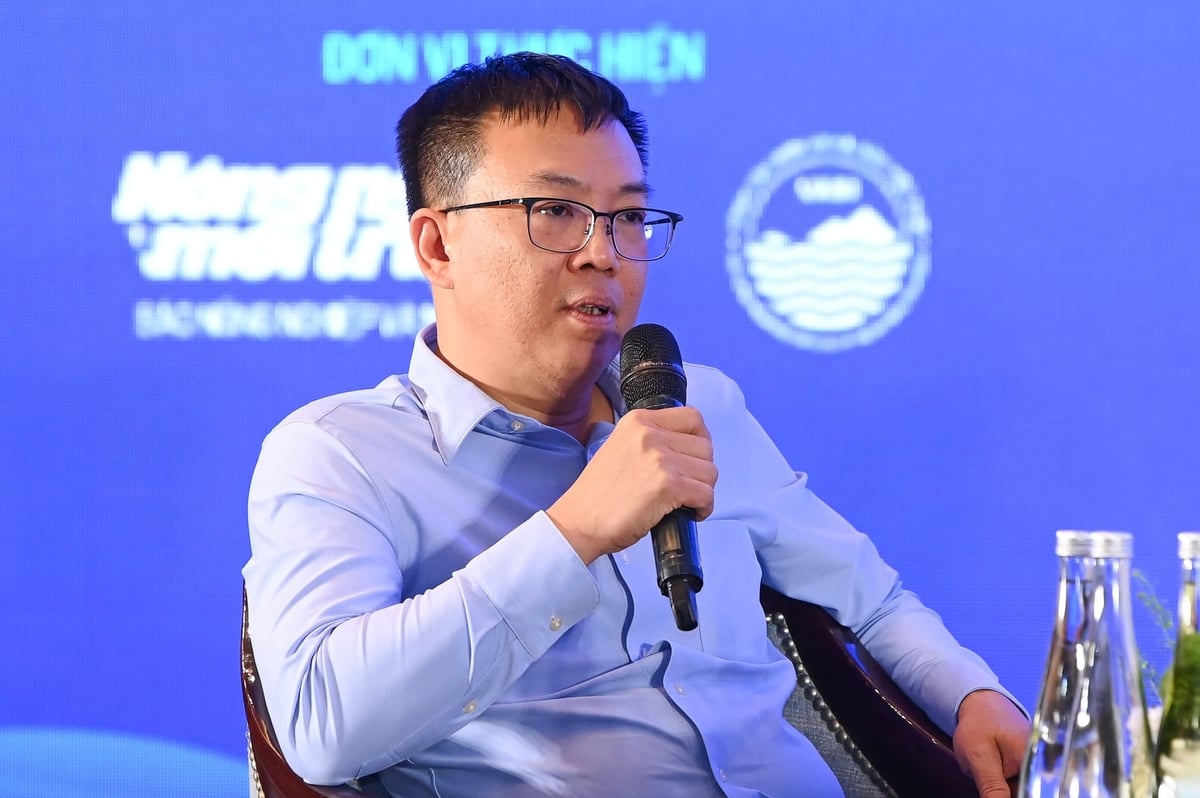
Nguyen Thanh Tung, Deputy Director General of the Vietnam Agency of Seas and Islands. Photo: Tung Dinh.
The management and use of marine space constitute a foundational component, establishing a legal order, eliminating overlaps, and clearly defining responsibilities in marine spatial management. It also aims to develop a comprehensive legal framework for the allocation, leasing, registration and certification of rights to use sea areas, resolve conflicts in marine spatial use and effectively implement the National Marine Spatial Plan. All activities involving the exploitation and use of marine resources must be carried out within the framework of planning, national defense and security, sovereignty and national interests at sea.
These four policy groups are approached through integrated management, with consistency and mutual support, forming a modern marine governance ecosystem that operates seamlessly from the establishment of marine space to the promotion of sustainable development.
One of the notable proposals in the draft Law is the issuance of certificates of rights to use sea areas. Why is this policy expected to bring about significant changes for citizens and businesses investing at sea?
This is one of the new issues currently being studied as part of the policy development process for the amended Law.
At present, organizations and individuals allocated sea areas primarily have only the right to use those areas. They do not yet enjoy rights such as transferring, leasing, contributing as capital, or mortgaging the rights to use sea areas and the assets attached to them.
For citizens, particularly organizations and individuals engaged in marine aquaculture, this policy would provide stronger protection for their legitimate rights and interests in the exploitation and use of allocated sea areas.
In the longer term, it would also provide a basis for the State to manage the allocation of marine space more effectively, reduce overlaps and disputes, and facilitate the development of a transparent and open market for sea-area use rights in the future.
Many businesses have pointed out that implementing marine projects currently requires dealing with multiple agencies and procedures. How will the draft Law address these obstacles?
The overarching principle guiding this amendment is to pursue substantive reform rather than merely reducing procedures in form.
We are studying the transition from a multi-agency administrative model to a single-window mechanism at both the central and local levels for marine investment projects. Preliminary estimates suggest that each project could eliminate two to three administrative procedures compared to the current system.
Another important development is that the information system on marine resource exploitation and use, which has been operational since 2026, will serve as the platform for online public services, monitoring the progress of application processing and enhancing transparency in state management.
The ultimate goal is to reduce time, lower costs, minimize direct contact and improve service quality for both citizens and businesses.
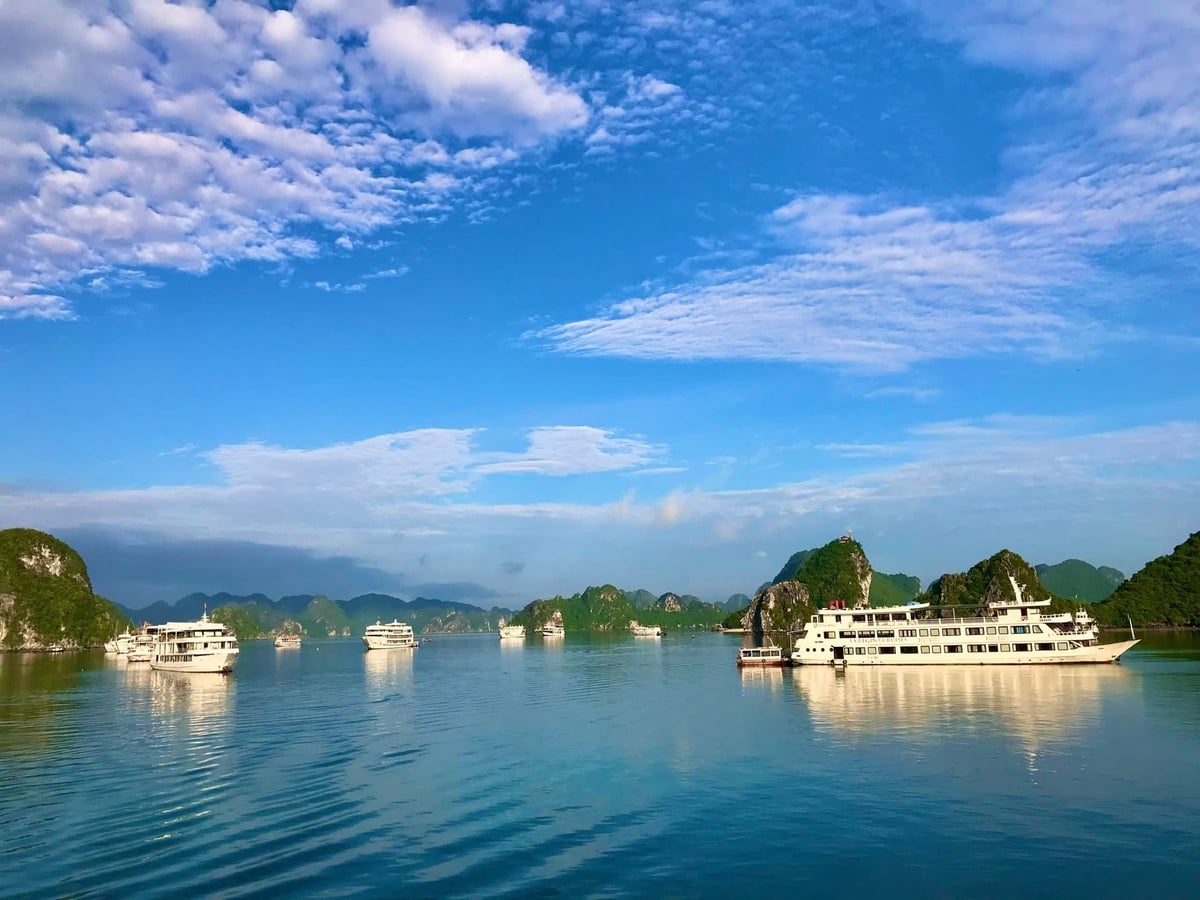
The proposed policy groups aim to shift the mindset from a traditional marine economy approach to viewing the sea as a strategic space for building a strong national maritime economy.
High-tech marine aquaculture, particularly offshore farming, is widely regarded as a highly promising sector, yet it continues to face numerous constraints related to marine space, infrastructure and investment resources. How will the draft Law facilitate stronger development of this sector in the coming years?
Difficulties in securing access to and stable use of sea areas for long-term investment remain a major obstacle to attracting resources for high-tech marine aquaculture.
Therefore, one of the key orientations of the draft Law is to improve regulations governing the management, allocation and use of marine space in a manner that is more transparent, stable and conducive to marine economic activities, including high-tech and offshore aquaculture.
Our approach is to create favorable conditions for the robust development of industrial and modern marine aquaculture while ensuring environmental protection, marine ecosystem conservation and the efficient and sustainable use of marine resources.
This amendment is intended not only to strengthen management but also to create new drivers for development. In your view, which sectors stand to benefit the most?
One of the primary objectives of this amendment is to transform institutions into a catalyst for development. The Law will focus on unlocking resources derived from marine resources and marine space, thereby creating favorable conditions for emerging marine industries to flourish.
Sectors such as high-tech marine aquaculture, green maritime logistics, marine biotechnology, marine pharmaceuticals, multi-purpose marine infrastructure and modern marine economic hubs will gain a stronger legal foundation to attract investment.
The draft Law also aims to ensure fair and transparent access to marine resources, reduce discretionary administrative practices and create a stable and predictable investment environment for businesses.
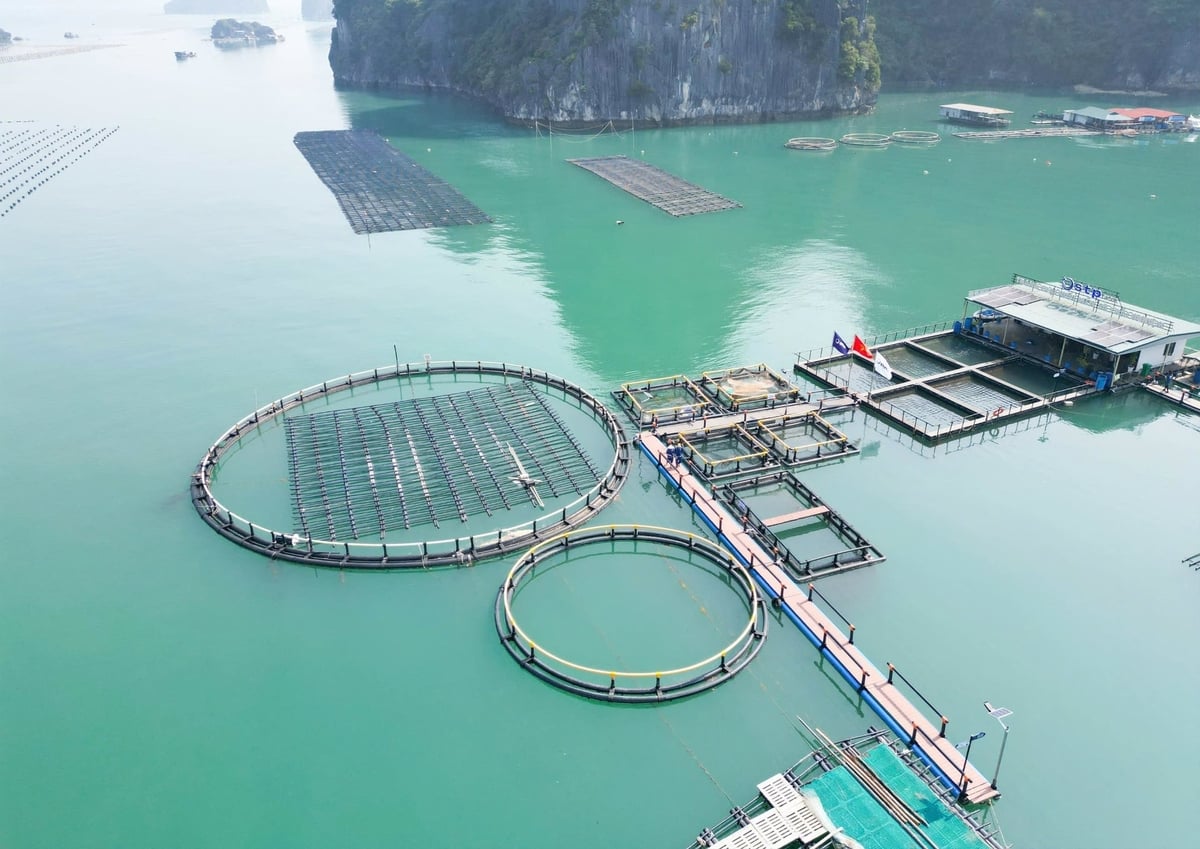
The draft Law will create favorable conditions for the robust development of industrial and modern marine aquaculture, while ensuring that such development is closely linked to environmental protection, marine ecosystem conservation, and the efficient and sustainable use of marine resources.
In reality, many marine environmental incidents are only detected after they have already occurred. Addressing such incidents reactively often results in more severe consequences and higher costs than taking preventive action. Is the draft Law changing this approach?
The guiding principle of this draft Law is to make a decisive shift from a "dealing with consequences" approach to one centered on proactive prevention and risk management, with pollution sources controlled from the outset. Several important new provisions include linking wastewater discharge management with marine spatial planning, marine ecosystems, coastal river basins, and the environmental carrying capacity; designating areas where discharges are prohibited or restricted; regulating investment activities based on environmental risk levels; and clearly defining the responsibilities of relevant stakeholders.
The ultimate goal is to protect marine ecosystems, minimize remediation costs, and ensure a safe marine environment for people's livelihoods and long-term marine economic development.
In your view, what is the most important principle guiding this amendment to ensure both the effective utilization of marine potential and the protection of long-term interests for future generations?
The sea is a major resource for growth, but it is also a shared asset of present and future generations, and a particularly sensitive and finite ecosystem. Therefore, every decision on exploitation made today must take into account the long-term interests of tomorrow. The overarching spirit of the draft Law is to move from sector-based management to integrated governance, from dealing with consequences to preventing risks, and from mere exploitation to sustainable development.
We expect that the amended Law will provide a foundation for the sea to be not only a resource for today, but also a space for development for generations to come.
Thank you very much.
Translated by Huong Giang

(VAN) International resource mobilization for energy transition investment projects has yet to keep pace with Vietnam’s efforts to improve its energy policy framework.

(VAN) Viet Nam's forestry sector is shifting from resource extraction to the development of strategic ecological infrastructure, opening new drivers for the green economy and the carbon market.
![Scientists' strength: [8] Fairness and creative motivation](https://t.ex-cdn.com/nongnghiepmoitruong.vn/608w/files/content/2026/07/16/pgsts-dang-van-dong-cham-soc-hoa-lay-on-103239_191-082039.jpg)
(VAN) Scientists must enjoy proportionate benefits from the intellectual products they create.

(VAN) The sugarcane industry is shifting its focus from expanding cultivation area to improving the quality of raw material zones in order to build sustainable competitive advantage.
![HCMC fisheries complies with the law: [Final] Technology fills the gaps](https://t.ex-cdn.com/nongnghiepmoitruong.vn/608w/files/huytd/2026/07/17/1455-3-133654_171.jpg)
(VAN) Through smart vessel positioning solutions and the digitalization of fishing logbooks, HCMC is proactively tightening control of inactive fishing vessels, closing management loopholes from shore.
![Scientists' strength: [7] Waiting for a broad mechanism](https://t.ex-cdn.com/nongnghiepmoitruong.vn/608w/files/anhntk/2026/06/23/1119-dsc00323-nongnghiep-081103.jpeg)
(VAN) Besides developing new rice varieties, scientists also have to worry about finances, resources, and research aspirations.
![Scientists' strength: [6] Need a medicine strong enough](https://t.ex-cdn.com/nongnghiepmoitruong.vn/608w/files/benlc/2026/07/12/1618-chatgpt-image-12_15_17-10-thg-7-2026-122814_896.jpeg)
(VAN) Retaining scientists requires not only income but also a conducive research environment, a meritocratic mechanism, and trust.
