July 21, 2026 | 20:08 GMT +7
Hotline: 0913.378.918

July 21, 2026 | 20:08 GMT +7
Hotline: 0913.378.918
On the morning of July 8, the Lao Cai Department of Agriculture and Environment held a consultation workshop to gather feedback on a draft resolution of the Lao Cai Provincial People's Council that outlines incentive and support policies for the development of the province's medicinal herb sector.

Lao Cai to finalize policy to support medicinal herb development. Photo: VnEconomy.
The workshop was chaired by Mr. Tran Minh Sang, Director of the Lao Cai Department of Agriculture and Environment, and attended by representatives of the Provincial People's Council's Ethnic Affairs Committee, provincial departments and agencies, commune- and ward-level People's Committees, and other relevant stakeholders. The meeting aimed to gather comments to refine the draft resolution before it is submitted to the Provincial People's Council for consideration and approval at its July 2026 session.
Participants focused their discussions on the policy's target beneficiaries and scope of application, the scale and cultivation area eligible for support, eligibility criteria, support levels, and funding sources. Many delegates also called for further review and refinement of the draft to ensure consistency, coherence, practicality, and suitability for local implementation.
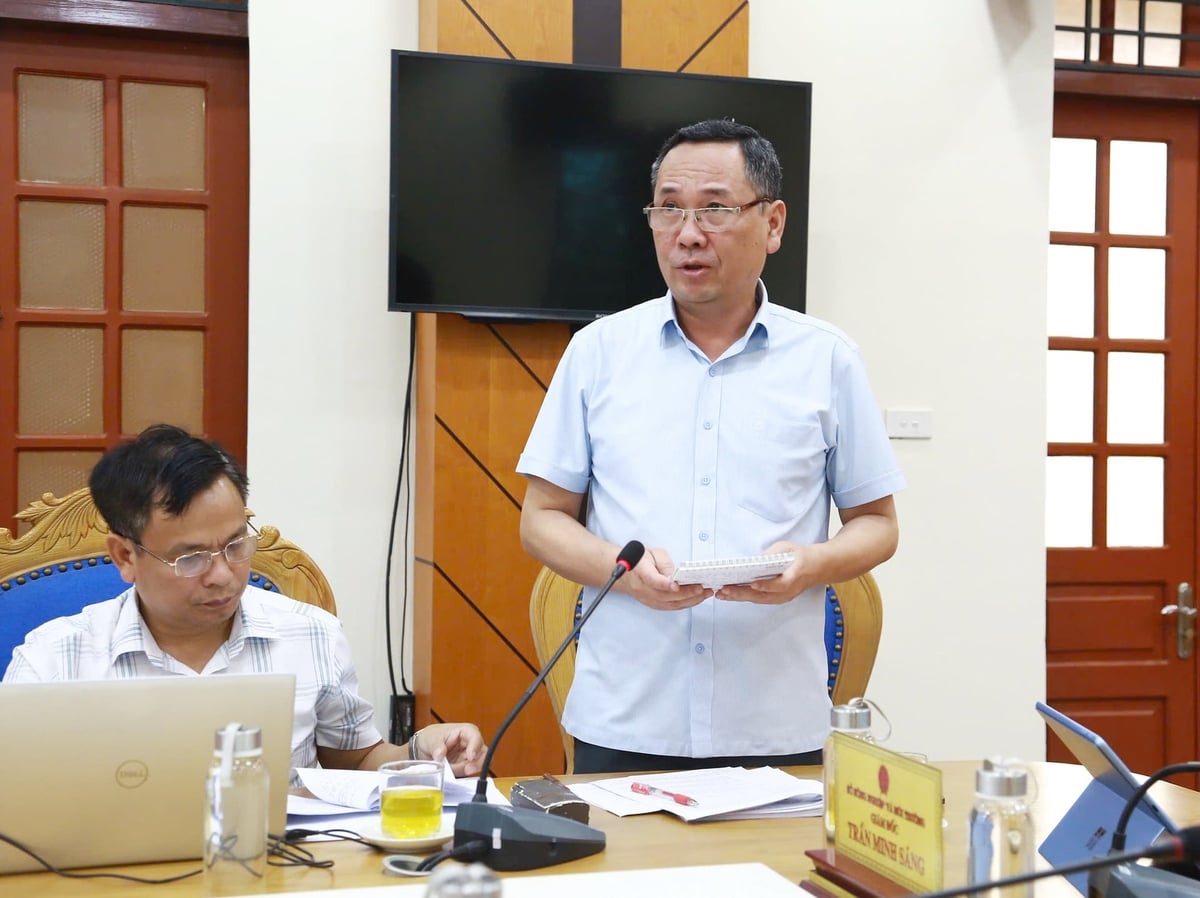
A representative of the Ethnic Affairs Committee of the Lao Cai Provincial People's Council provides comments at the consultation workshop. Photo: Thanh Nga.
Speaking at the workshop, Mr. Tran Minh Sang, Director of the Lao Cai Department of Agriculture and Environment, said the drafting committee would fully incorporate feedback from provincial departments, local authorities, and businesses to refine the draft resolution. The revised draft, reflecting comments received during the meeting, would be consolidated and circulated to relevant agencies later on July 8 for further review before the final dossier is submitted to the competent authorities.
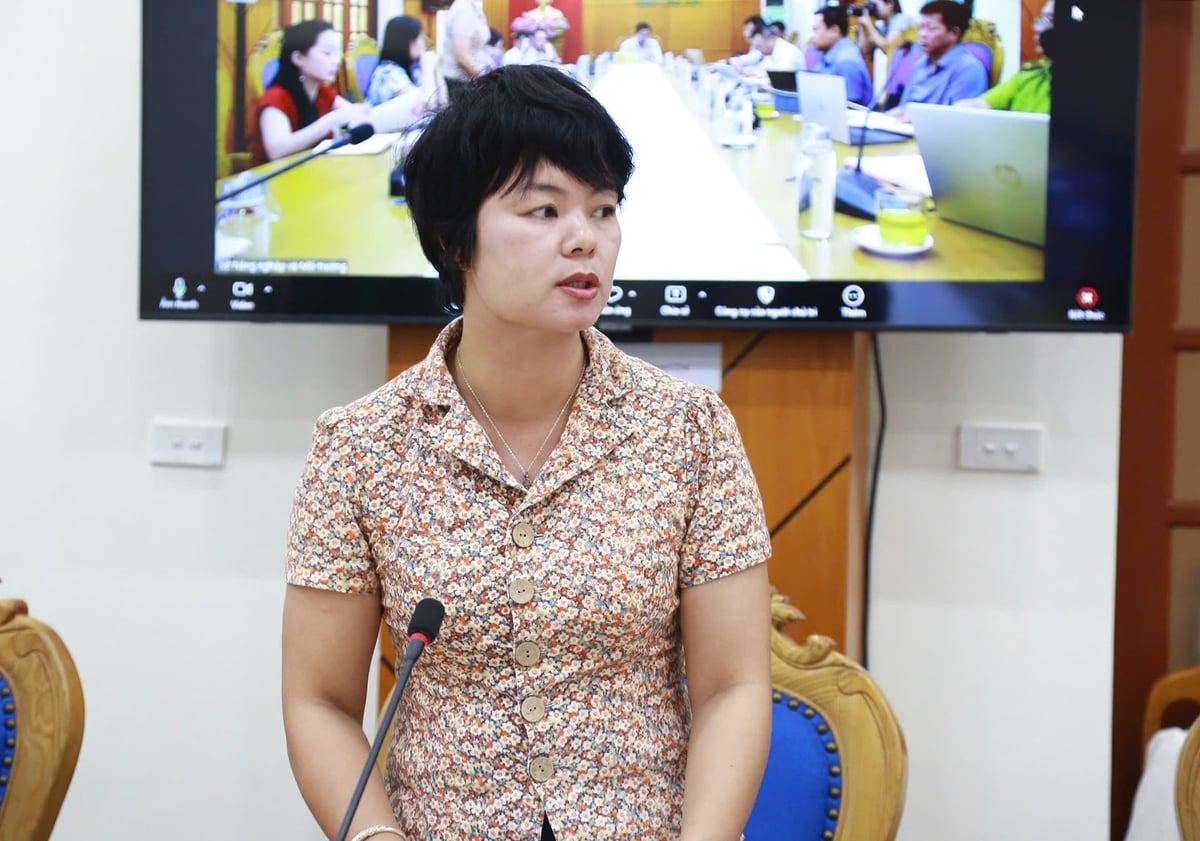
A leader of the Lao Cai Department of Culture, Sports and Tourism contributes comments on the draft resolution. Photo: Thanh Nga.
According to Mr. Tran Minh Sang, the policy on supporting medicinal herb development is a new initiative. The drafting committee has studied the experience of several other localities while closely aligning the draft with Lao Cai's actual conditions. Given differences in natural conditions, production scale, and development orientations among localities, the draft has been designed to ensure practicality and feasibility, with the aim of establishing a coherent and effective policy rather than pursuing perfection from the outset.
The Director of the Lao Cai Department of Agriculture and Environment noted that, following the recent administrative restructuring, the province now covers a larger area with significant variations in development conditions across regions. As a result, it would be difficult to formulate a policy that could fully address all circumstances and needs from the outset.
"Our approach is to develop a policy that is practical and feasible rather than overly ambitious. During implementation, if any provisions prove unsuitable or require adjustment, the province will continue to review and refine the policy accordingly," Mr. Tran Minh Sang emphasized.
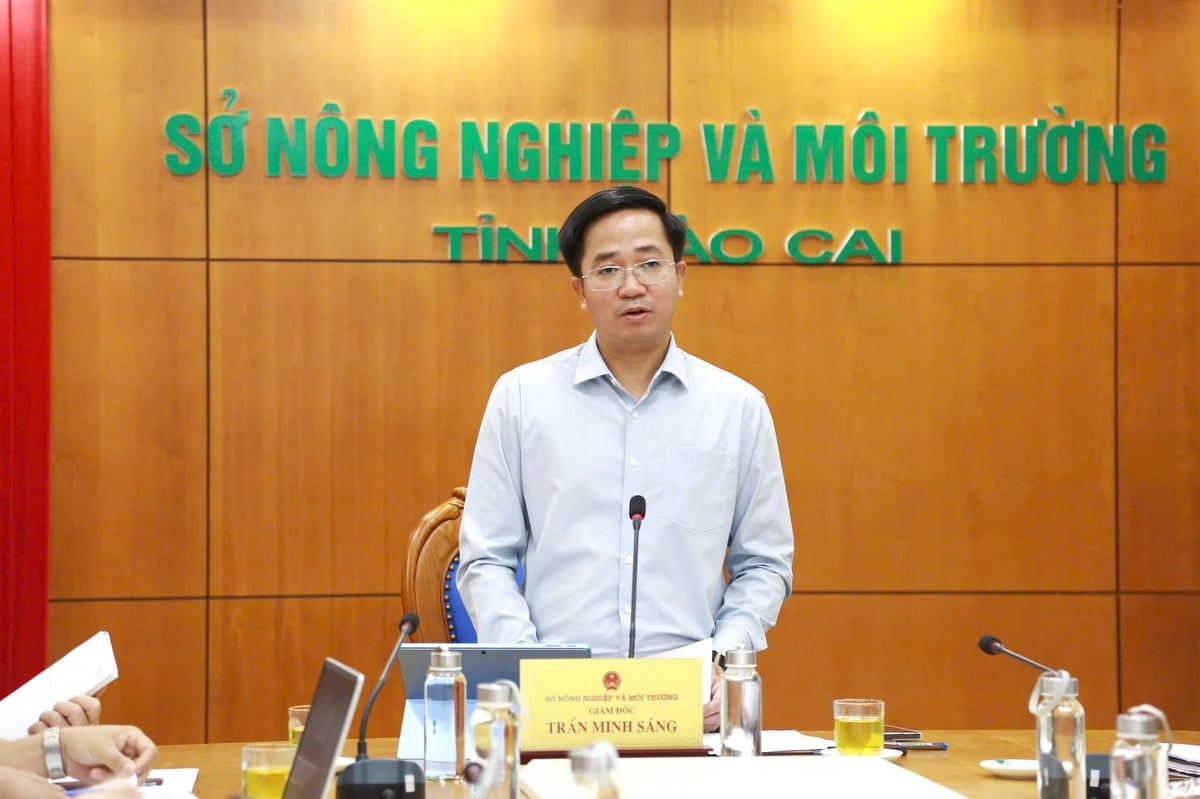
Mr. Tran Minh Sang, Director of the Lao Cai Department of Agriculture and Environment, said the policy has been designed to ensure practicality and feasibility and will continue to be refined during implementation. Photo: Thanh Nga.
Mr. Tran Minh Sang also said the drafting committee aims to produce the highest-quality draft resolution by incorporating as much constructive feedback as possible from provincial departments, local authorities, and businesses.
Although additional time may be required to finalize the draft, he emphasized that the policy must be practical and implementable, facilitating effective implementation and supporting the province's long-term strategy for developing its medicinal herb sector.
Resolution No. 48-NQ/TU of the Lao Cai Provincial Party Committee sets a target of establishing more than 8,500 hectares of concentrated medicinal herb production areas linked to processing and sustainable marketing by 2030, with an annual output of 40,000 tonnes and a post-processing industry value exceeding USD 76 million per year.
To achieve these goals, Lao Cai Province is expediting the completion of the Provincial People's Council's draft resolution on incentives and support policies for medicinal herb development, providing a policy framework to effectively harness the province's potential and competitive advantages while promoting the sustainable development of the medicinal herb sector.
Translated by Phuong Linh
(VAN) Viet Nam's forestry sector is shifting from resource extraction to the development of strategic ecological infrastructure, opening new drivers for the green economy and the carbon market.
![Scientists' strength: [8] Fairness and creative motivation](https://t.ex-cdn.com/nongnghiepmoitruong.vn/608w/files/content/2026/07/16/pgsts-dang-van-dong-cham-soc-hoa-lay-on-103239_191-082039.jpg)
(VAN) Scientists must enjoy proportionate benefits from the intellectual products they create.

(VAN) The sugarcane industry is shifting its focus from expanding cultivation area to improving the quality of raw material zones in order to build sustainable competitive advantage.
![HCMC fisheries complies with the law: [Final] Technology fills the gaps](https://t.ex-cdn.com/nongnghiepmoitruong.vn/608w/files/huytd/2026/07/17/1455-3-133654_171.jpg)
(VAN) Through smart vessel positioning solutions and the digitalization of fishing logbooks, HCMC is proactively tightening control of inactive fishing vessels, closing management loopholes from shore.
![Scientists' strength: [7] Waiting for a broad mechanism](https://t.ex-cdn.com/nongnghiepmoitruong.vn/608w/files/anhntk/2026/06/23/1119-dsc00323-nongnghiep-081103.jpeg)
(VAN) Besides developing new rice varieties, scientists also have to worry about finances, resources, and research aspirations.
![Scientists' strength: [6] Need a medicine strong enough](https://t.ex-cdn.com/nongnghiepmoitruong.vn/608w/files/benlc/2026/07/12/1618-chatgpt-image-12_15_17-10-thg-7-2026-122814_896.jpeg)
(VAN) Retaining scientists requires not only income but also a conducive research environment, a meritocratic mechanism, and trust.
![Scientists' strength: [5] Heavy burden of livelihood](https://t.ex-cdn.com/nongnghiepmoitruong.vn/608w/files/chinq/2026/07/17/2452-dsc_0566-081739_259-065506.jpg)
(VAN) Behind the research projects lies the arduous life of scientists, those who persistently cling to their profession amidst the pressure of making a living.
