July 21, 2026 | 16:33 GMT +7
Hotline: 0913.378.918

July 21, 2026 | 16:33 GMT +7
Hotline: 0913.378.918
At the Fisheries Control Office located near the fishing port, stacks of paper records are gradually being replaced by digital files displayed on computer systems.
During the fifth on-site inspection by the EC Inspection Delegation, Ho Chi Minh City (HCMC) was among the localities selected for direct assessment. The inspection delegation acknowledged the city's positive results in implementing the EC's recommendations to combat IUU fishing. The outcome reflected the city's commitment to practical action, implementation organization, and close coordination among departments, sectors, and localities over the years.

Fisheries Control Office officials assist fishermen in updating and verifying fishing vessel data on the digital platform, gradually replacing manual management methods with the national fisheries database. Photo: Le Binh.
To establish a seamless data system, the HCMC Steering Committee on Combating IUU Fishing has advised the City Party Committee and the City People's Committee to issue a series of directives and implementation plans aimed at promoting efficient and sustainable fisheries development in line with local conditions and the EC’s recommendations. Competent authorities have conducted field inspections at fishing ports and landing sites, cross-checked vessel records, and, in accordance with regulations, deregistered 36 fishing vessels classified as rotten, damaged, or missing for more than one year.
According to Ms. Mac Thi Nga, Director of the HCMC Sub-Department of Fisheries and Fisheries Surveillance, all 4,445 fishing vessels in the city have been registered and updated into the national fisheries database. "The transparency of baseline data has enabled the authorities to classify vessels and issue fishing licenses to 4,283 fishing vessels, representing more than 96% of the city's registered fleet," Ms. Nga said.
Mr. Nguyen Van Ton, Vice Chairman of the HCMC Fisheries Association, noted that many fisherfolk had purchased vessels from other provinces, but licensing procedures had long been delayed because information recorded by different localities did not match. After receiving guidance from the Sub-Department of Fisheries and Fisheries Surveillance on uploading vessel information to the national database, the records became fully synchronized, significantly speeding up the licensing process.
"When a vessel has a clear record in the national database, fisherfolk can confidently set sail without worrying about being questioned over regulations. Any legal fishing vessel should be transparent," Mr. Ton said. As a result, HCMC's efforts to combat IUU fishing recorded positive progress in the first six months of 2026, particularly in fleet management, vessel monitoring, and the oversight of fishing activities at sea.

The digitalization of fishing vessel records has enabled the authorities to improve data transparency, enhance traceability, and meet the EC's recommendations on combating IUU fishing. Photo: Le Binh.
"The fact that the EC Inspection Delegation found no shortcomings during its inspections in HCMC reflects the efforts made at the grassroots level to transition from manual administration to digital data management, creating a unified and reliable information filtering system," said Ms. Pham Thi Na, Deputy Director of the HCMC Department of Agriculture and Environment.
At the Fishing Vessel Monitoring Center, technicians on duty must maintain high concentration as they monitor screens displaying the fleet’s coordinates. The number of fishing vessels losing connection to their Vessel Monitoring System (VMS) devices has fallen sharply. While the system recorded 254 signal-loss incidents during the same period in 2025, the figure dropped to just 86 cases in the first six months of 2026, down around 70%.
According to the HCMC Department of Agriculture and Environment, the improvement was driven by tighter controls at fishing ports and close coordination among the Border Guard, Fisheries Control Offices, and relevant units in verifying and handling violations.
According to Mr. Dang Van Luong, Deputy Director of the HCMC Sub-Department of Fisheries and Fisheries Surveillance, whenever officers on duty notice a vessel's tracking icon turns gray, indicating a VMS signal loss of more than six hours, they must immediately record the incident in the monitoring system. For the 86 signal-loss cases recorded since the beginning of the year, the Sub-Department, together with local authorities and the vessel owners' families, contacted owners around the clock to verify the reasons.

HCMC fishermen submit electronic reports and maintain active VMS devices, contributing to responsible, transparent, and sustainable fisheries development. Photo: Le Binh.
"We have verified that 34 cases involved no violations, as the fisherfolk had properly reported technical malfunctions in accordance with regulations. At the same time, the competent authorities have firmly imposed administrative penalties on those who intentionally violated the rules to strengthen the deterrent effect," Mr. Luong said.
Although none of HCMC's fishing vessels has been detained by foreign enforcement authorities since the beginning of the year, fisheries management continues to face a number of challenges. One of the most persistent issues is the transfer of fishing vessels between localities without completing ownership transfer procedures, making it difficult for authorities to manage vessels and establish accountability when violations occur. In addition, the city's extensive network of river mouths, coastal sandbanks, and navigational channels has allowed some vessels that are ineligible to operate to take advantage of darkness or tidal conditions to set sail.
According to Ms. Pham Thi Na, many fishing vessels do not land their catch at designated fishing ports but sell their products directly at coastal sandbanks or transship them to offshore fisheries logistics vessels, creating significant challenges for catch statistics and seafood traceability.
"The city will continue to thoroughly resolve all outstanding cases involving fishing vessels that lost VMS connection while stepping up investigations and criminal prosecutions of illegal fishing activities to enhance the deterrent effect. Once investigations are completed, the cases will be brought to public trial in localities with large fishing communities to raise legal awareness," Ms. Na said.
Under the plan, HCMC will focus on rolling out electronic fishing logbooks by the end of the year in line with the Central Government's schedule. The City Department of Agriculture and Environment is working with software providers to offer the system free of charge to fishermen throughout 2026. At the same time, the Department is advising the City People's Committee to submit a financial support policy to the City People's Council to ensure the electronic logbook system is implemented synchronously across the city.
Translated by Thu Huyen
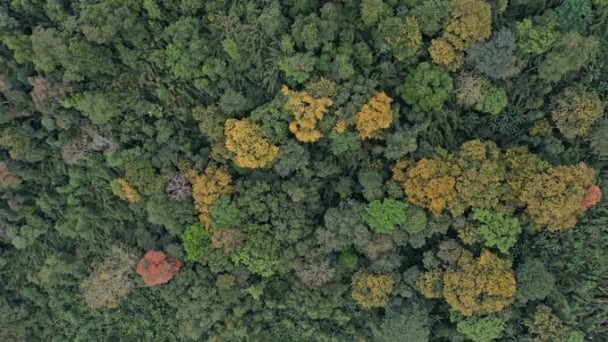
(VAN) Viet Nam's forestry sector is shifting from resource extraction to the development of strategic ecological infrastructure, opening new drivers for the green economy and the carbon market.
![Scientists' strength: [8] Fairness and creative motivation](https://t.ex-cdn.com/nongnghiepmoitruong.vn/608w/files/content/2026/07/16/pgsts-dang-van-dong-cham-soc-hoa-lay-on-103239_191-082039.jpg)
(VAN) Scientists must enjoy proportionate benefits from the intellectual products they create.

(VAN) The sugarcane industry is shifting its focus from expanding cultivation area to improving the quality of raw material zones in order to build sustainable competitive advantage.
![HCMC fisheries complies with the law: [Final] Technology fills the gaps](https://t.ex-cdn.com/nongnghiepmoitruong.vn/608w/files/huytd/2026/07/17/1455-3-133654_171.jpg)
(VAN) Through smart vessel positioning solutions and the digitalization of fishing logbooks, HCMC is proactively tightening control of inactive fishing vessels, closing management loopholes from shore.
![Scientists' strength: [7] Waiting for a broad mechanism](https://t.ex-cdn.com/nongnghiepmoitruong.vn/608w/files/anhntk/2026/06/23/1119-dsc00323-nongnghiep-081103.jpeg)
(VAN) Besides developing new rice varieties, scientists also have to worry about finances, resources, and research aspirations.
![Scientists' strength: [6] Need a medicine strong enough](https://t.ex-cdn.com/nongnghiepmoitruong.vn/608w/files/benlc/2026/07/12/1618-chatgpt-image-12_15_17-10-thg-7-2026-122814_896.jpeg)
(VAN) Retaining scientists requires not only income but also a conducive research environment, a meritocratic mechanism, and trust.
![Scientists' strength: [5] Heavy burden of livelihood](https://t.ex-cdn.com/nongnghiepmoitruong.vn/608w/files/chinq/2026/07/17/2452-dsc_0566-081739_259-065506.jpg)
(VAN) Behind the research projects lies the arduous life of scientists, those who persistently cling to their profession amidst the pressure of making a living.

![HCMC fisheries complies with the law: [1] Breakfast with fisherfolk](https://t.ex-cdn.com/nongnghiepmoitruong.vn/resize/174x104/files/huyenvt (e)/2026/07/15/2203-5-121921_245.jpg)