July 21, 2026 | 21:42 GMT +7
Hotline: 0913.378.918

July 21, 2026 | 21:42 GMT +7
Hotline: 0913.378.918
Nghe An is a locality that frequently experiences natural disasters, including typhoons, floods, flash floods, landslides, and droughts. In recent years, climate change has rendered these events increasingly complex and unpredictable, causing severe losses to human life and property. Given this reality, implementing the project "Enhancing Community Awareness and Community-Based Disaster Risk Management for the 2026-2030 Period" holds profound significance and serves as a long-term strategy.
The project's core goes beyond basic propaganda; it aims to sustainably transform public awareness, thereby fostering skills, habits, and proactive disaster-avoidance actions among citizens. This is considered a "root" solution, because when people clearly understand the risks, they will voluntarily participate in disaster prevention and control efforts, rather than solely relying on government assistance.

Nghe An suffers severe consequences from natural disasters. Photo: Dinh Tiep.
Nghe An province clearly determines: every citizen is a "disaster prevention agent." Consequently, communication activities are deployed diversely, tailored to specific target groups and regions. In mountainous areas, prone to flash floods and landslides, propagation focuses on recognizing danger signs and safe evacuation skills. Meanwhile, in coastal regions, programs guiding responses to storms, storm surges, and high tides are heavily emphasized.
Furthermore, disaster prevention and control are integrated into the educational system, helping students develop self-protection awareness and skills early on. Models like "disaster-safe schools" and "volunteer youth clubs" are gradually proving effective, contributing to spreading knowledge throughout the community.
A critical highlight of the project is the "community-based" motto. This means citizens are not merely beneficiaries but active subjects directly participating in the assessment, planning and execution of disaster risk reduction activities.
Localities across Nghe An have steadily developed commune and village-level disaster risk maps with public participation. Locals possess the deepest understanding of their area's topography, disaster history and vulnerable points. Consequently, prevention plans are more realistic, feasible and effective.

Localities must be proactive to minimize disaster-induced damages. Photo: Dinh Tiep.
Concurrently, strengthening grassroots disaster-response volunteer forces is a priority. They are the core forces for emergency response, rescue, and relief operations. Through regular training and drills, their capacity is continuously enhanced, ensuring readiness for emergencies.
The early warning system is also receiving investment and upgrades, blending modern technology with traditional methods. From SMS alerts and loudspeakers to digital applications, disaster information is transmitted swiftly and timely to the public. Notably, the application of information technology for managing and sharing data is opening new avenues to improve the efficiency of disaster prevention.
Additionally, Nghe An focuses on integrating disaster risk management into its socio-economic development planning. Infrastructure construction, residential zoning, and agricultural production development are all evaluated based on minimizing disaster impacts. This is a crucial step to ensure sustainable development amid the escalating impacts of climate change.
For the project to succeed, the synchronous involvement of the entire political system and society is a pivotal factor. Authorities at all levels play a guiding, supporting and facilitating role, while the people remain the center of all activities.
Mass organizations such as the Women's Union, Youth Union, and Farmers' Union have been leveraging their roles to propagate and mobilize members to participate in disaster defense.

Community support is essential in disaster response. Photo: Dinh Tiep.
Enterprises are also encouraged to participate through socialization initiatives, providing equipment, financial, and technological support. Private sector collaboration not only eases the budgetary burden but also generates additional resources for effective program implementation.
Evidently, executing the "Enhancing Community Awareness and Community-Based Disaster Risk Management for the 2026-2030 Period" project in Nghe An is both an immediate task and a long-term strategy. When awareness is raised and every citizen becomes a "shield" against natural disasters, damages will be minimized, and life will become safer and more sustainable.
In the face of increasingly fierce natural disasters, Nghe An province is steadily affirming its correct trajectory: taking people as the center and the community as the foundation, thereby building a society that is proactive, adaptive and resilient to all of nature's challenges.
Translated by Hong Ngoc

(VAN) International resource mobilization for energy transition investment projects has yet to keep pace with Vietnam’s efforts to improve its energy policy framework.
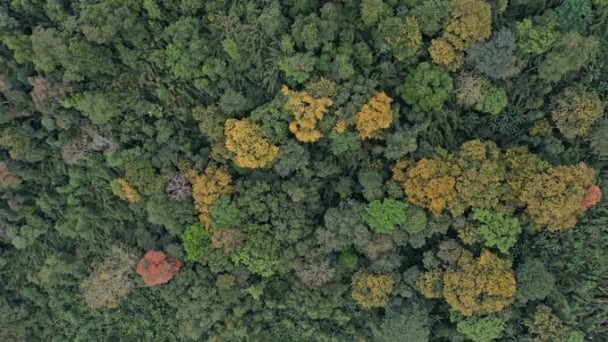
(VAN) Viet Nam's forestry sector is shifting from resource extraction to the development of strategic ecological infrastructure, opening new drivers for the green economy and the carbon market.
![Scientists' strength: [8] Fairness and creative motivation](https://t.ex-cdn.com/nongnghiepmoitruong.vn/608w/files/content/2026/07/16/pgsts-dang-van-dong-cham-soc-hoa-lay-on-103239_191-082039.jpg)
(VAN) Scientists must enjoy proportionate benefits from the intellectual products they create.

(VAN) The sugarcane industry is shifting its focus from expanding cultivation area to improving the quality of raw material zones in order to build sustainable competitive advantage.
![HCMC fisheries complies with the law: [Final] Technology fills the gaps](https://t.ex-cdn.com/nongnghiepmoitruong.vn/608w/files/huytd/2026/07/17/1455-3-133654_171.jpg)
(VAN) Through smart vessel positioning solutions and the digitalization of fishing logbooks, HCMC is proactively tightening control of inactive fishing vessels, closing management loopholes from shore.
![Scientists' strength: [7] Waiting for a broad mechanism](https://t.ex-cdn.com/nongnghiepmoitruong.vn/608w/files/anhntk/2026/06/23/1119-dsc00323-nongnghiep-081103.jpeg)
(VAN) Besides developing new rice varieties, scientists also have to worry about finances, resources, and research aspirations.
![Scientists' strength: [6] Need a medicine strong enough](https://t.ex-cdn.com/nongnghiepmoitruong.vn/608w/files/benlc/2026/07/12/1618-chatgpt-image-12_15_17-10-thg-7-2026-122814_896.jpeg)
(VAN) Retaining scientists requires not only income but also a conducive research environment, a meritocratic mechanism, and trust.
