November 27, 2025 | 08:02 GMT +7
Hotline: 0913.378.918

November 27, 2025 | 08:02 GMT +7
Hotline: 0913.378.918
The year 2024 marks the 50th anniversary of the International Livestock Research Institute (ILRI), a center under CGIAR. On October 15, the ILRI@50 celebration was held in Hanoi with the attandance of Deputy Minister of Agriculture and Rural Development Phung Duc Tien and Professor Appolinaire Djikeng, Director General of ILRI.
As a CGIAR center, the world's largest agricultural research network, ILRI will strengthen collaboration with global development organizations, leverage 4.0 technologies, and harness the strengths of stakeholders, particularly MARD – ILRI’s strategic partner – and inter-ministerial government agencies from central to local levels, to mobilize resources for implementing the 2024–2030 Sustainable Livestock Development Strategy in Vietnam, aligning with the priorities of Vietnam’s livestock sector and the broader Sustainable Development Goals of the United Nations.
MARD is honored to be chosen as ILRI’s research and investment hub in the region and is confident that with ILRI’s strengths in capacity building and applied research, ILRI will contribute significantly to sustainable food systems, animal health, and climate change response.

The ASEAN Eco-School Viet Nam Award is a shared commitment to action across the region, contributing to the creation of sustainable and happy learning environment.

(VAN) In recent years, Vietnam’s exported rice has been recognized not only for its volume but also for its quality, with numerous varieties such as DT8 and ST25 favored by consumers in many countries.
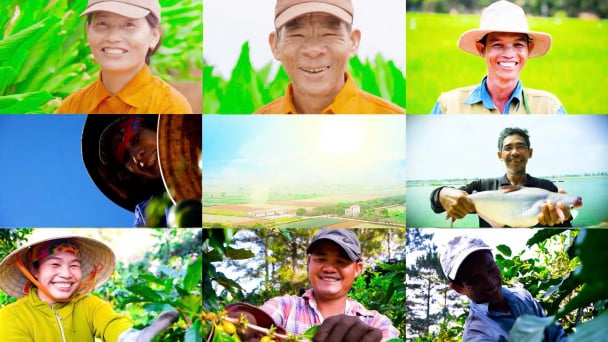
(VAN) The documentary is a story honoring ordinary yet extraordinary people; bold policy innovations; solid achievements; and profound lessons on the path of development.
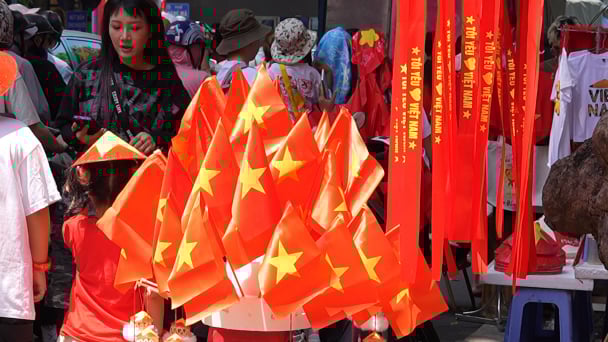
(VAN) Amid the hustle and bustle of life, Hang Ma street these days has become a meeting point of joy and connection.
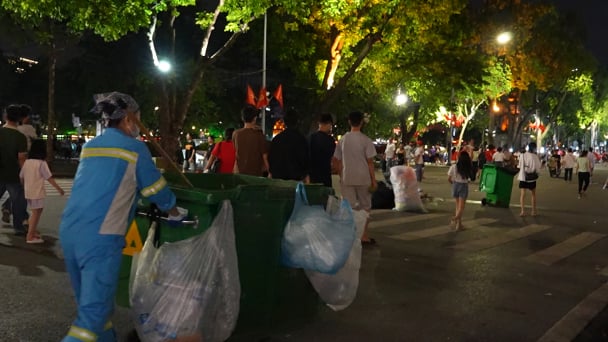
(VAN) Right after the parade rehearsal concluded, many streets in central Hanoi were littered with waste, and sanitation workers immediately began their task.
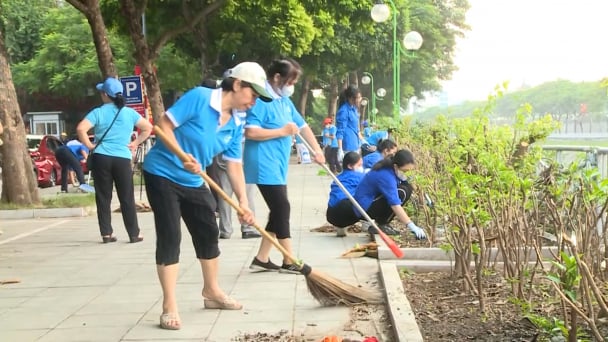
(VAN) Nghia Do Ward mobilized over 100 youth union members, women’s union members, and local residents to clean up several areas and main streets in the ward.
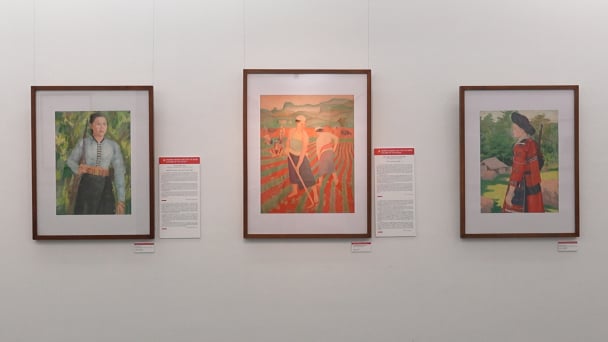
(VAN) The exhibition at the Vietnam Fine Arts Museum creates a reflective journey, leading the public back through glorious pages of national history.
