July 15, 2026 | 19:56 GMT +7
Hotline: 0913.378.918

July 15, 2026 | 19:56 GMT +7
Hotline: 0913.378.918
Bac Ai commune (Khanh Hoa province) is known for its scorching terrain and dry winds. Few would expect that in such a challenging area, trellises of purple and yellow passion fruit could be laden with fruit inside modern greenhouses. This is the result of a bold transition based on scientific calculations by Nam Mien Trung High-Tech Agriculture Cooperative (Nam Mien Trung Cooperative).

The model of purple passion fruit growing in greenhouses yields abundant fruit. Photo: KS.
Mr. Nguyen Trong Hanh, Director of the Cooperative, recalled that cantaloupe was initially the strategic crop that helped the Cooperative establish its position in the supermarket segment. However, after years of cultivation, he observed that the cantaloupe market had gradually become saturated, pest and disease pressures were intensifying, and rising labor costs had significantly reduced profits. Therefore, the Cooperative had to look for a crop with stronger economic potential that could adapt to the existing greenhouse infrastructure.
On a 1-hectare pilot area, the Cooperative allocated 1,000 m² to purple passion fruit growing and the remaining 9,000 m² to yellow passion fruit. This was considered an unusual step, as passion fruit has traditionally been a specialty of cool-climate regions such as Gia Lai, Dak Lak, and Lam Dong. In Khanh Hoa, introducing passion fruit into greenhouse systems not only aims to protect against heat but also helps full control over environmental variables, turning natural disadvantages into competitive advantages.

An aerial view of the greenhouse passion fruit farming model. Photo: Phuong Chi.
Initial results show that the purple passion fruit orchard produces large, glossy, and uniform fruits, averaging 7–10 fruits/kg and meeting type 1 export standards. With a planting density of 400–450 plants/sao (1,000 m²), the orchard has begun its first harvest, reaching an output of 1.2 tons. According to technical staff estimates, total yield could exceed 3 tons/sao, which is fully competitive with traditional passion fruit "capitals," thanks to a markedly higher proportion of type 1 fruits and minimized rejects.
To achieve heavily laden trellises of passion fruit in such harsh conditions, the technical team at Sun Farm under Nam Mien Trung Cooperative has tackled numerous complex plant physiology problems.
Mr. Nguyen Tat Tien, a technical employee at the farm, said the biggest obstacle is the Central region's weather conditions. During the rainy season, short daily sunlight hours prevent yellow passion fruit, an inherently light-demanding variety, from undergoing flower bud differentiation.

Nam Mien Trung Cooperative uses 5W LED lights installed along passion fruit rows to provide supplemental illumination at night and during overcast days. Photo: KS.
With persistence, the Cooperative has devised a solution to "manipulate" plant physiology via artificial lighting. A system of 5W LED lights is installed along passion fruit rows to provide supplemental illumination at night and during overcast days. As a result, after just 18–20 days of light stimulation, the plants begin flower bud differentiation and fruit simultaneously. This solution has become the "golden key" enabling the Cooperative to maintain year-round production and ensure a stable market supply, even during the most unfavorable weather periods.
In terms of cultivation techniques, Nam Mien Trung Cooperative has established a strict production management process in line with GlobalGAP standards. Of which, the smart drip irrigation system acts as the farm’s lifeline. Water and nutrients are precisely measured by machines, pre-mixed in tanks, and delivered directly to each plant via an automated distribution system. This approach optimizes nutrient uptake while minimizing fertilizer and irrigation water waste.
Particularly during periods of intense heat, the plants are watered twice daily, early in the morning and late in the afternoon, to maintain stable moisture levels, completely preventing heat shock that can cause mass fruit drop.
Alongside irrigation, optimizing the cultivation layer is also emphasized by forming raised beds. This technique not only promotes deep and healthy root development but also effectively addresses waterlogging and root fungal diseases, which usually cause heavy losses in areas with shallow topsoil.

Mr. Hanh said the Cooperative will step up production of yellow passion fruit in the near future. Photo: KS.
Notably, the greenhouse system here is likened to a solid "protective shield," establishing a biological barrier against the intrusion of fruit flies and sap-sucking aphids. This controlled environment enables the plants to avoid Alternaria spot disease (fungal infections causing stem, leaf, and fruit rot), which commonly occurs after prolonged periods of rain.
Thanks to effective pest control from the early stages, the Cooperative has minimized the use of pesticides, producing clean fruit with an attractive appearance, free of puncture marks, and meeting the most stringent standards for official exports.
Beyond generating value for itself, Nam Mien Trung Cooperative is becoming a learning and demonstration site for farmers across the province. Mr. Nguyen Trong Hanh shared the story of a couple who had been working in the construction materials sector but fell on hard times. They traveled to Bac Ai to seek training. After exploring multiple locations in Lam Dong, they found that the greenhouse model in Khanh Hoa offered greater stability and better risk control, leading them to shift their investment toward agriculture.

Thanks to greenhouse cultivation, the passion fruit is uniform in appearance and free from pests and diseases. Photo: KS.
In particular, Nam Mien Trung Cooperative is orienting toward strong development of yellow passion fruit, as this variety serves a broad domestic segment of fresh consumption that he has developed since his earlier cantaloupe business. While purple passion fruit is mainly used for processing or export, with prices sometimes fluctuating due to fuel costs and international logistics, yellow passion fruit is emerging as a "new star" with surging market demand.
According to Mr. Hanh, the Cooperative is preparing to expand by an additional hectare under net-house systems and is ready to link with farmers whose cantaloupe production has proven inefficient to transition to passion fruit cultivation. With investment costs for net houses up to 90% lower than greenhouses (only around VND 250–300 million/hectare), farmers can potentially recover their capital in the very first crop.
Favorable transport infrastructure, near Cam Ranh International Airport and newly inaugurated expressways, serves as a key advantage. This significantly shortens the time required to deliver fresh fruit to major urban centers such as Ho Chi Minh City or export markets by air, ensuring that the fruit retains optimal freshness upon reaching consumers.
From the heavily laden passion fruit trellises in Bac Ai, a new future is taking shape for high-tech agriculture in the South Central Coast, where science, technology, and farmers' aspirations converge to transform challenging land into a gold mine of clean agricultural products.
$1 = VND 26,355 - Source: Vietcombank.
Translated by Thu Huyen
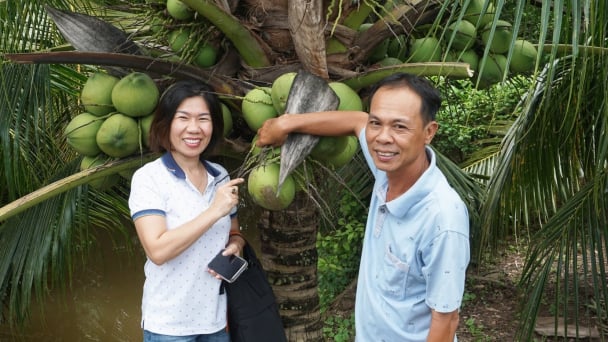
(VAN) The digital map of raw material zones is expected to resolve overlapping investments, ensure production transparency, and accelerate deep processing in the coconut industry.
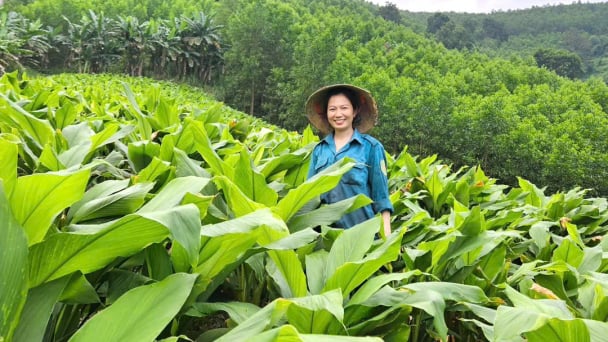
(VAN) Transforming barren hills once dedicated only to acacia and cassava, the Anh Mai Medicinal Plant Cooperative has found a new direction with red turmeric, opening up sustainable livelihoods for local residents.

(VAN) From a high-tech poultry farm to an organically managed durian orchard, Dinh Ngoc Khuong has become a model farmer, inspiring others through his innovative and effective agricultural practices.
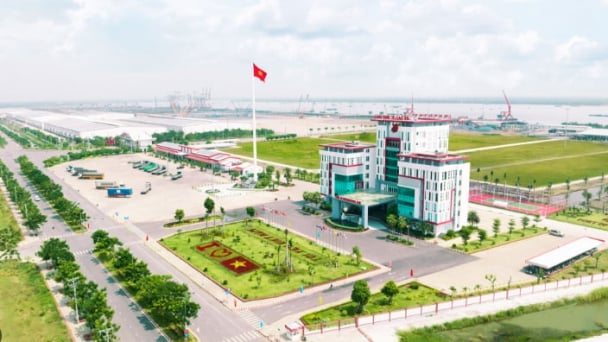
(VAN) Long An International Port has been named the 'Smart Green Port Company of the Year 2026' by Frost & Sullivan, marking a new milestone for Viet Nam's port industry.
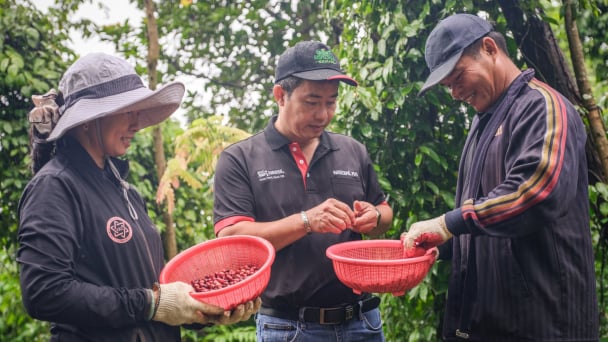
(VAN) Beyond bean quality, coffee sustainability relies on occupational safety, labor rights, and securing long-term farmer livelihoods.
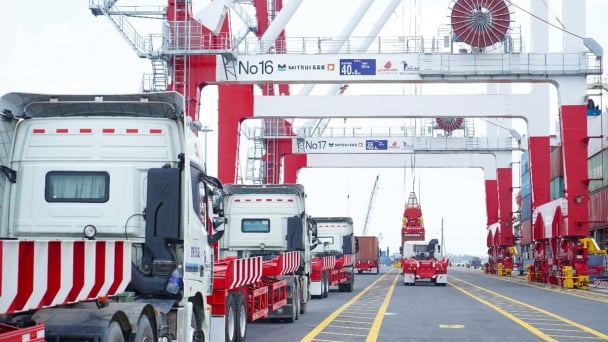
(VAN) Digital transformation, green development, and intelligent operations are increasingly becoming the key drivers of competitiveness in the seaport industry.

(VAN) Honored at NetZero Viet Nam 2026, PepsiCo Foods Viet Nam has built a sustainable green value chain spanning agriculture, production, and packaging to push toward the nation's Net Zero target.
