July 21, 2026 | 22:00 GMT +7
Hotline: 0913.378.918

July 21, 2026 | 22:00 GMT +7
Hotline: 0913.378.918
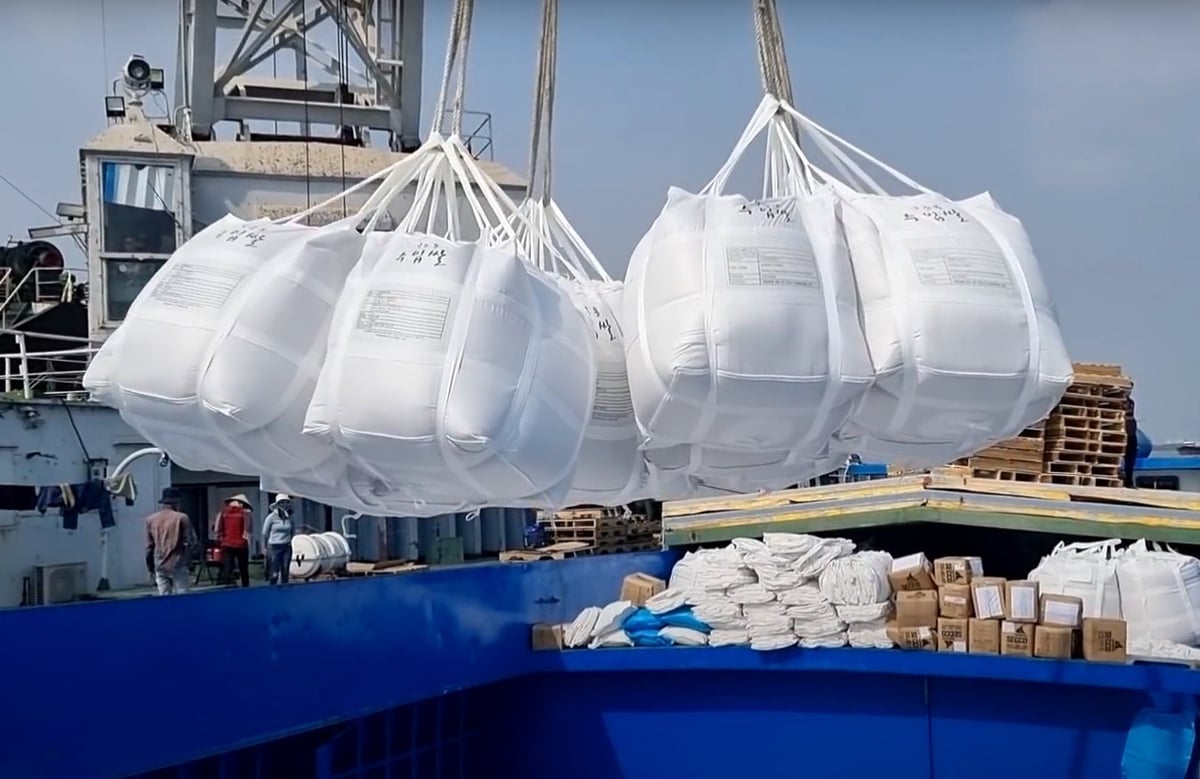
In the initial four months of 2025, Vietnam exported nearly 12,000 tonnes of rice to the United States, with a value of USD 11 million. Photo: Son Trang.
Vietnam's rice exports to the United States experienced a significant surge in April 2025, which was indicative of a strategic initiative by numerous companies to fulfill additional orders prior to the reciprocal tariff's implementation on July 9.
In April, Vietnam exported 2,174 tonnes of rice to the U.S., generating nearly USD 2.6 million, a 37% increase in value from the same month last year, according to the General Department of Customs. In the initial four months of 2025, Vietnam exported nearly 12,000 tonnes of rice to the United States, with a value of USD 11 million. This represents a 32% increase in volume and a 37% rise in value compared to the previous year.
The Vietnam Food Association (VFA) observed that numerous businesses have expedited their early shipment contracts to the United States during this "golden window" prior to the tariff's enforcement.
The U.S. continues to be a strategic and potential market for Phuoc Thanh IV Company (Vinh Long), according to Nguyen Van Thanh, the company's Director. Despite the imminent tariff barriers, the organization persists in its expansion of its operations in the U.S.
“We’ve received positive signals from customers. The U.S. tariff presents a long-term challenge, but in the short term, there’s still a window we can take advantage of,” Thanh said.
Thanh is of the opinion that the reciprocal tariff will not have a substantial impact on Vietnam's rice exports to the U.S., as the prices of Vietnamese rice are significantly lower than those of Thai rice. Specifically, Thai rice is priced at over USD 1,000 per tonne in the U.S., while Vietnamese rice is priced at approximately USD 600 per tonne. Vietnamese rice would continue to maintain a price advantage, regardless of the implementation of additional tariffs.
He further stated that the U.S.' intention to increase tariffs on Thailand, the country that exports the most rice to the United States, would provide an opportunity for Vietnamese rice to increase its market share. A network of Vietnamese-owned businesses in the United States that possess strong distribution capabilities and comprehend local consumer preferences could also serve as critical influencers in maintaining Vietnam's position in this competitive market.
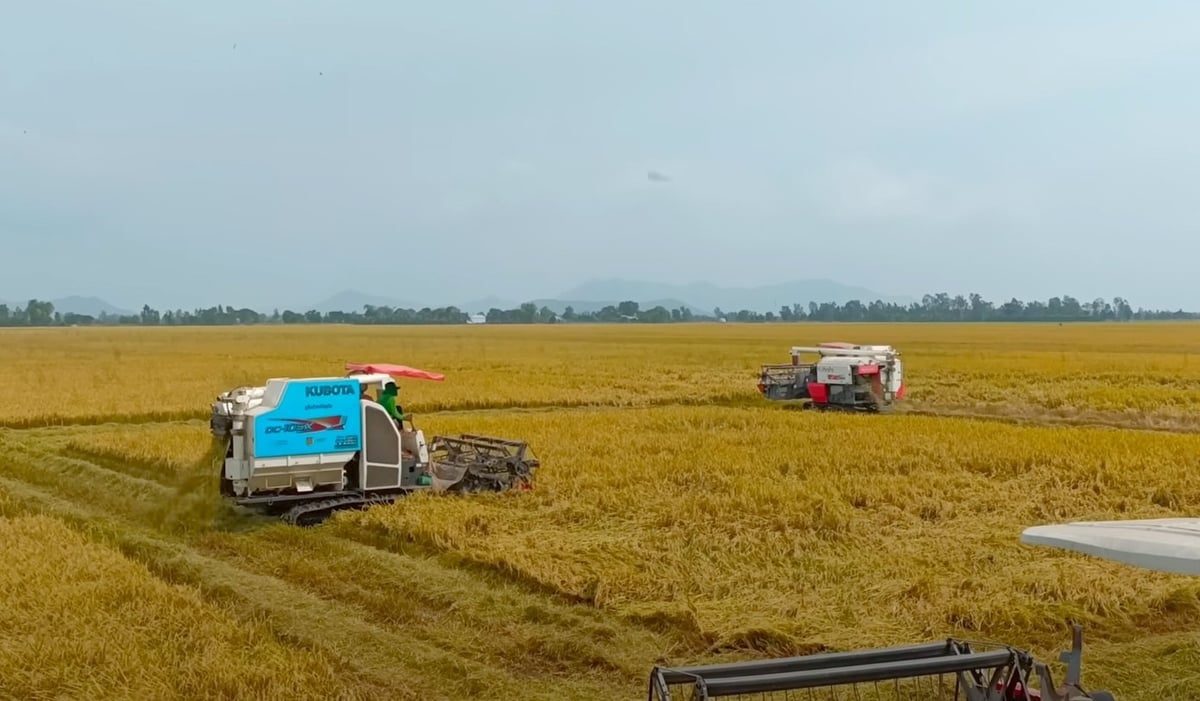
A network of Vietnamese-owned businesses in the United States that possess strong distribution capabilities and comprehend local consumer preferences could also serve as critical influencers. Photo: Son Trang.
Nevertheless, Thanh emphasized that Vietnamese exporters must proactively adapt, improve quality, and collaborate effectively with distribution networks in the U.S. to achieve a long-term, structured market entry, rather than relying on short-term trade fluctuations. “Boosting orders now is a smart move. But in the long run, if we improve quality, standardize practices, and build strong relationships with Vietnamese-American partners, Vietnamese rice can make a strong comeback, potentially even stronger,” Thanh emphasized.
According to Do Ha Nam, Chairman of the Vietnam Food Association, the recent increase in rice exports to the U.S. is a strategic and timely response to the approaching July 9 tariff deadline.
Nam evaluated that tariff-related risks would be manageable, particularly in light of the substantial decrease in global rice prices since 2023, even if the United States implemented reciprocal tariffs of approximately 20%. As a result, even with additional tax costs, retail prices in the U.S. may not spike, keeping Vietnamese rice attractive to real demand segments—particularly the Vietnamese-American community.
Nam also observed that Vietnam's rice exports experienced an 8% increase over the same period last year in the first five months of this year. Despite the decline in selling prices, Vietnam's export volumes increased, and it was able to maintain a competitive advantage over significant exporters such as Thailand and Pakistan. The country's distinctive rice varieties, including Dai Thom 8, are a significant advantage, as they help to guarantee stable profits for farmers and secure orders.
Vietnamese rice companies are seeking to maintain market share retention, partner relationships, and business efficiency in markets that were not previously of high priority, despite the challenges posed by trade volatility and pricing fluctuations.
According to the latest World Agricultural Supply and Demand Estimates from the U.S. Department of Agriculture (USDA), Vietnam is expected to become the world’s second-largest rice importer in the 2025–26 period, following only the Philippines. This increase in imports is being driven by the need to support export commitments at a time when domestic production is declining.
The USDA forecasts that Vietnam will bring in 4 million tonnes of rice in 2024–25 and 4.1 million tonnes in 2025–26. Meanwhile, the Philippines—a long-standing buyer of Vietnamese rice—is projected to retain its position as the world’s top rice importer, with annual demand hovering around 5.5 million tonnes.
Translated by Linh Linh

(VAN) Viet Nam - EFTA FTA opens the door to high-value markets while also raising the bar for product quality, traceability, and sustainable production.

(VAN) Hundreds of OCOP products and signature agricultural goods from Lao Cai are being showcased, promoted, and connected with buyers at an exhibition space.

(VAN) China has emerged as a bright spot for Viet Nam's coffee industry, with exports to this market recording strong growth in both volume and prices.
![Gia Lai agricultural extension milestones: [2] Lao farmers embraces intensive maize and rice farming models](https://t.ex-cdn.com/nongnghiepmoitruong.vn/608w/files/giangph/2026/07/21/1231-1100-0836-3-095726_966.jpg)
(VAN) Beyond serving the province, Gia Lai Agricultural Extension Center has helped Lao farmers improve corn and rice production through technology transfer.

(VAN) Once a wild plant growing in brackish and saline ecosystems, nan tuong grass is now a highly promising raw material for Viet Nam’s handicraft industry.

(VAN) Vietnamese tilapia conquer the Japanese sashimi market, marking a new step forward for the aquaculture sector and opening opportunities to boost its value.
![Gia Lai agricultural extension milestones: [1] Bringing red tilapia to Japan](https://t.ex-cdn.com/nongnghiepmoitruong.vn/608w/files/content/2026/07/20/1-094213_494-122051.jpg)
(VAN) In recent years, Gia Lai's agricultural extension service has been connecting businesses with red tilapia farmers to bring this product to Japan.
