December 1, 2025 | 20:09 GMT +7
Hotline: 0913.378.918

December 1, 2025 | 20:09 GMT +7
Hotline: 0913.378.918
The change in fishermen’s awareness plays a crucial role in combating IUU fishing. Mr. Nguyen Van Ton, Vice Chairman of the Ba Ria—Vung Tau Fisheries Association, shared that when it comes to IUU, fishermen are undoubtedly at the center of the issue since IUU would not exist without fishing activities.
Recognizing this, in recent times the Ba Ria – Vung Tau Fisheries Association has introduced various measures and solutions to help reduce and address violations by fishers related to IUU fishing. Among these, the Association has cooperated with the Department of Agriculture and Environment, the Fisheries and Fisheries Surveillance Sub-Department to organize training sessions, dialogues, and the distribution of leaflets to raise awareness about combating IUU fishing.
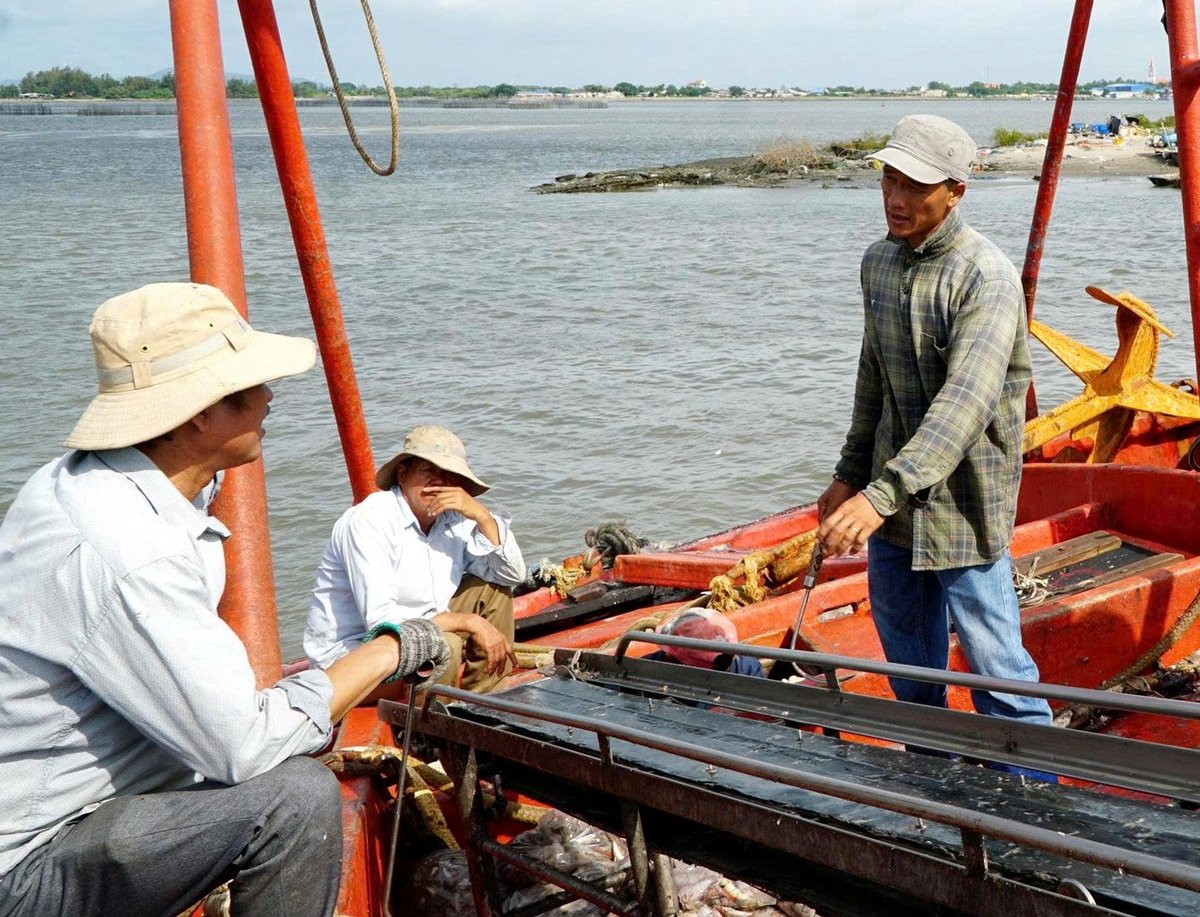
Fishermen in Ba Ria – Vung Tau have raised their awareness of IUU fishing. Photo: Nguyen Thuy.
The Ba Ria—Vung Tau Fisheries Association also regularly raises awareness about combating IUU fishing through “breakfast with fishers” sessions, which are organized in coordination with the former Vung Tau City People’s Committee.
During these workshops, training sessions, and “breakfast with fishers” events, boat owners, captains, and crew were provided with extensive information on combating IUU fishing, particularly analyses of the benefits and harms associated with illegal fishing activities.
Specifically, when fishermen engage in illegal fishing, the benefits they gain are minimal, while the consequences are severe. If Vietnamese fishing vessels are caught fishing illegally in the waters of countries such as Malaysia or Indonesia, it can result in significant property losses and the detention of fishermen. Those violators, upon being returned to Vietnam, continue to face strict legal penalties. The economy and the country’s image are also considerably affected by the EU’s IUU yellow card.
Training sessions, workshops, and discussions like these not only help fishermen understand the serious consequences of IUU fishing, but also assist captains in improving their skills and accurately identifying the location and coordinates of their fishing areas to avoid accidentally encroaching into the waters of other countries.
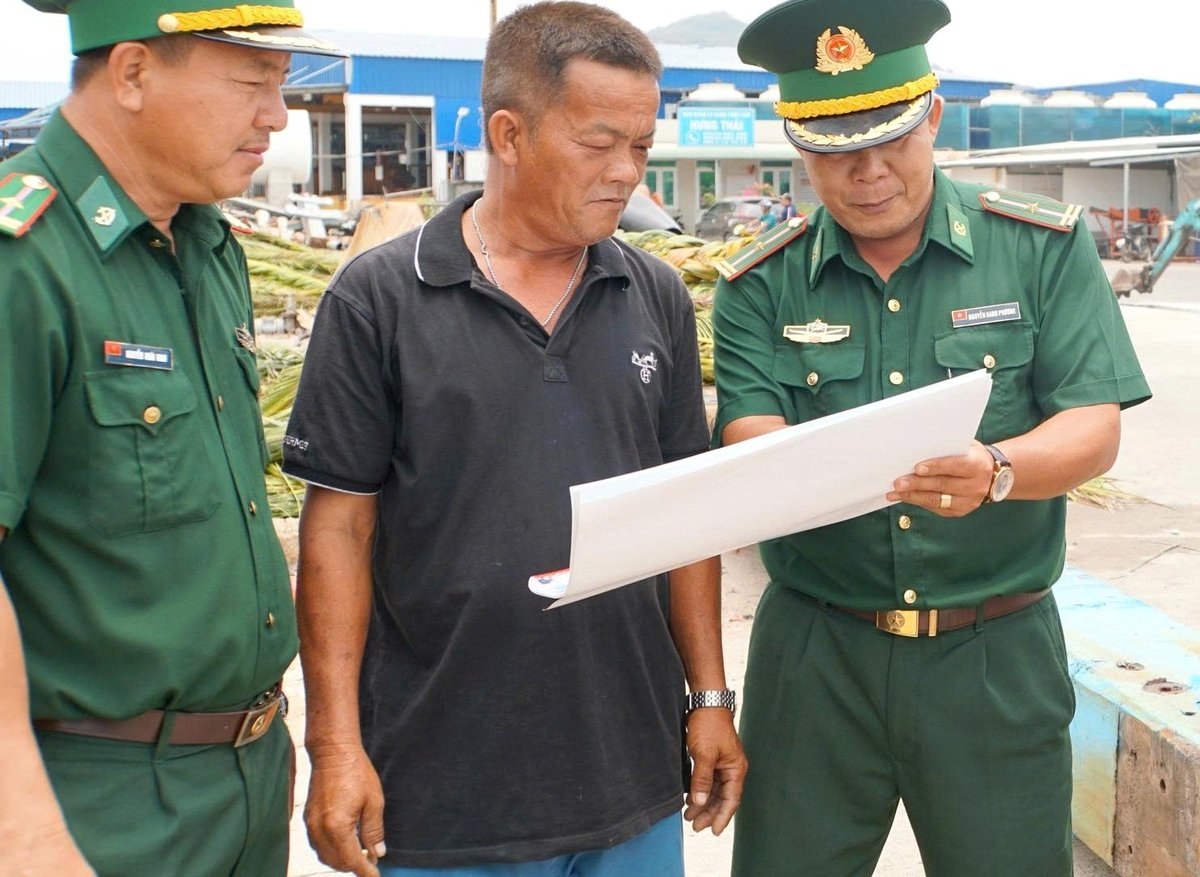
The Border Guard propagates awareness of IUU fishing prevention among fishermen. Photo: Nguyen Thuy.
Mr. Ton shared that, given the strict regulations of the European Commission as well as other markets regarding the traceability of imported seafood, businesses in recent times have been actively coordinating with state management agencies, fish ports, and especially vessel owners and captains. During the process of seafood harvesting, if fishermen cannot provide traceability, businesses cannot sell their products. Therefore, to ensure traceability, it must start from the captain’s logbook, recording specifically where and when the fishing took place, the types of seafood caught, and which port was visited. In other words, coordination from businesses down to the captains is extremely important.
For this reason, whether businesses sign contracts directly or through intermediaries with a vessel owner or a captain, they carry them out very rigorously. With such strict practices, captains are required to fish only in legal areas where harvesting is permitted. As a result, seafood processing and export companies find it easier to operate, and the value of the products harvested by fishermen is increased.
Translated by Phuong Linh

(VAN) The inevitable path forward is to reorganize production along the value chain, utilizing cooperatives as the core, enterprises as the driving force, and farmers as the central subjects.

(VAN) On November 28, Minister Tran Duc Thang, together with China's Minister of Agriculture and Rural Affairs Han Jun, chaired the 2nd meeting of the Viet Nam - China Agricultural Cooperation Committee.

(VAN) Forest carbon credits are only accepted when they ensure absolute environmental integrity, additionality, permanence, and transparency.

(VAN) Viet Nam partners with Beijing on controlling air pollution, cross-regional management, high-tech monitoring and relocating polluting facilities.

(VAN) With a USD 50 million investment, Australia is partnering with Viet Nam to operate its first public electric bus fleet and develop a nationwide EV charging network.

(VAN) On November 28, in Beijing, Minister Tran Duc Thang met Minister of Ecology and Environment of China Huang Runqiu, to share experience on environmental protection.
/2025/11/28/0950-2-120557_751.jpg)
(VAN) The recent flood spell in the South Central region clearly reflects the characteristics of natural disasters in 2025, which are compound, prolonged, and amplified.
