July 17, 2026 | 12:44 GMT +7
Hotline: 0913.378.918

July 17, 2026 | 12:44 GMT +7
Hotline: 0913.378.918
The southern coastal protection forests of Hai Phong, stretching across localities such as Nam Do Son Ward and Kien Hai Commune, were established in the 1990s and now cover more than 650ha. Dominated by mangrove species such as apple mangrove, grey mangrove, and black mangrove, these forests serve not only as a vital "green shield" against coastal erosion and storms but also as a rich source of nectar. Unlike many other regions, the mangrove flowering season here overlaps across species and lasts for eight to nine months each year, creating ideal conditions for beekeepers to harvest natural honey.
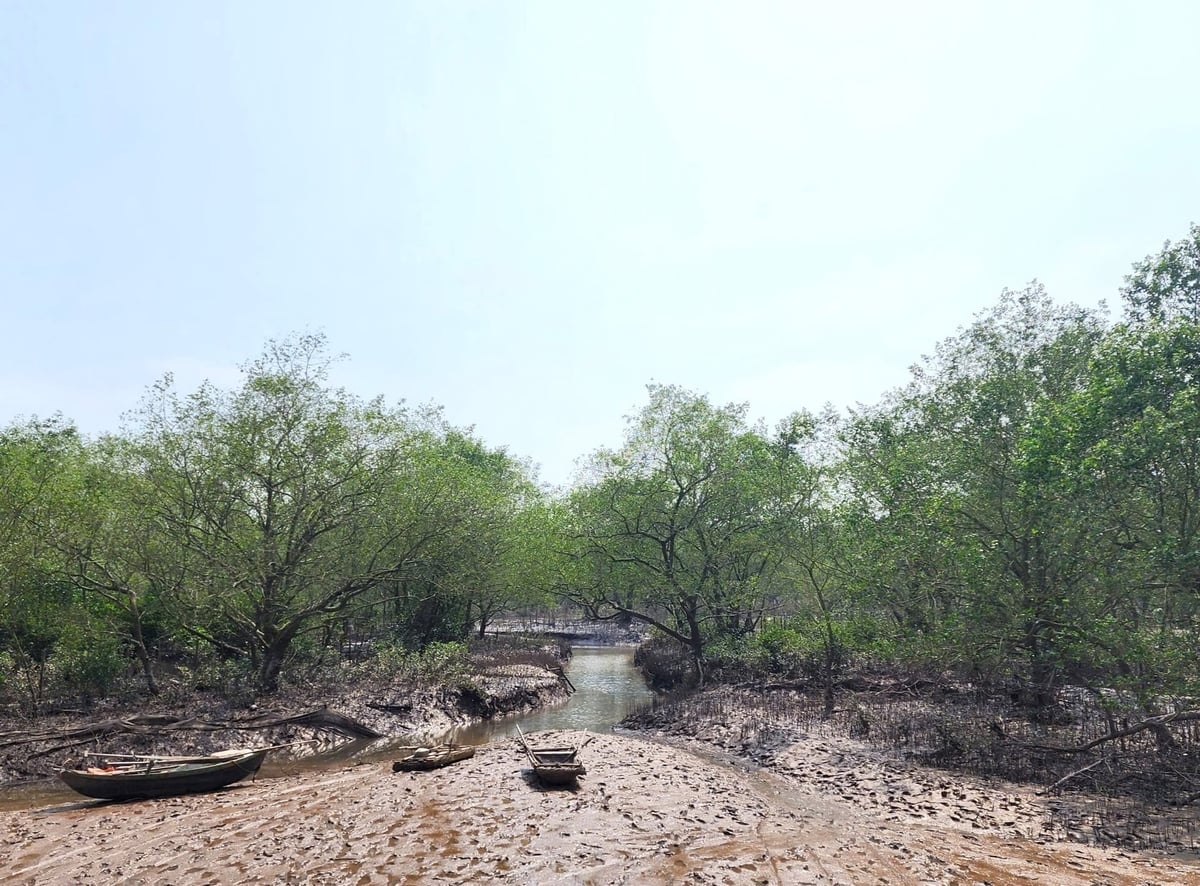
Vast mangrove forests in southern Hai Phong provide an abundant source of nectar for managed honeybee colonies. Photo: Dinh Muoi.
"The apple mangrove flowering season lasts only about 40 days, but it is the most productive period of the year. Under favorable conditions, a single bee colony can produce up to 10 liters of honey. Apple mangrove honey is known for its exceptionally high fructose and glucose content, giving a rich sweetness and a delicate aroma," said Tung.
Nguyen Van Khanh, a beekeeper in Kien Hai Commune, said his family once relied on nearshore fishing, which provided an unstable income. Since switching to beekeeping in the mangrove forests, however, their livelihood has become much more stable.
"Bees forage naturally beneath the mangrove canopy, so our main job is to care for the colonies and harvest the honey. Each hive produces around 10-12 liters of honey a year. With a stable market price of about USD 11.40 per liter, large-scale beekeepers or those participating in cooperative production can earn annual profits of USD 11,400-19,000," Khanh said.
Beekeeping requires little land and a relatively low initial investment, making it well-suited to the conditions of coastal households while providing a sustainable pathway for rural economic diversification.
In recent years, the industry has been further strengthened through cooperative models. One example is the Tung Hang Honey Cooperative, which has seven members and manages more than 1,000 bee colonies. The cooperative produces an average of 8,000-9,000 liters of honey each year and generates annual profits of around USD 26,600.
Dang Thanh Tung, Director of the Tung Hang Honey Cooperative, said that in addition to mangrove forest honey, the cooperative's signature product is Bang La apple mangrove blossom honey, which has helped enhance its brand value. During the apple mangrove flowering season (typically falling between August and September on the lunar calendar), the cooperative undertakes an annual "migration," relocating about 70% of its bee colonies to apple mangrove growing areas.
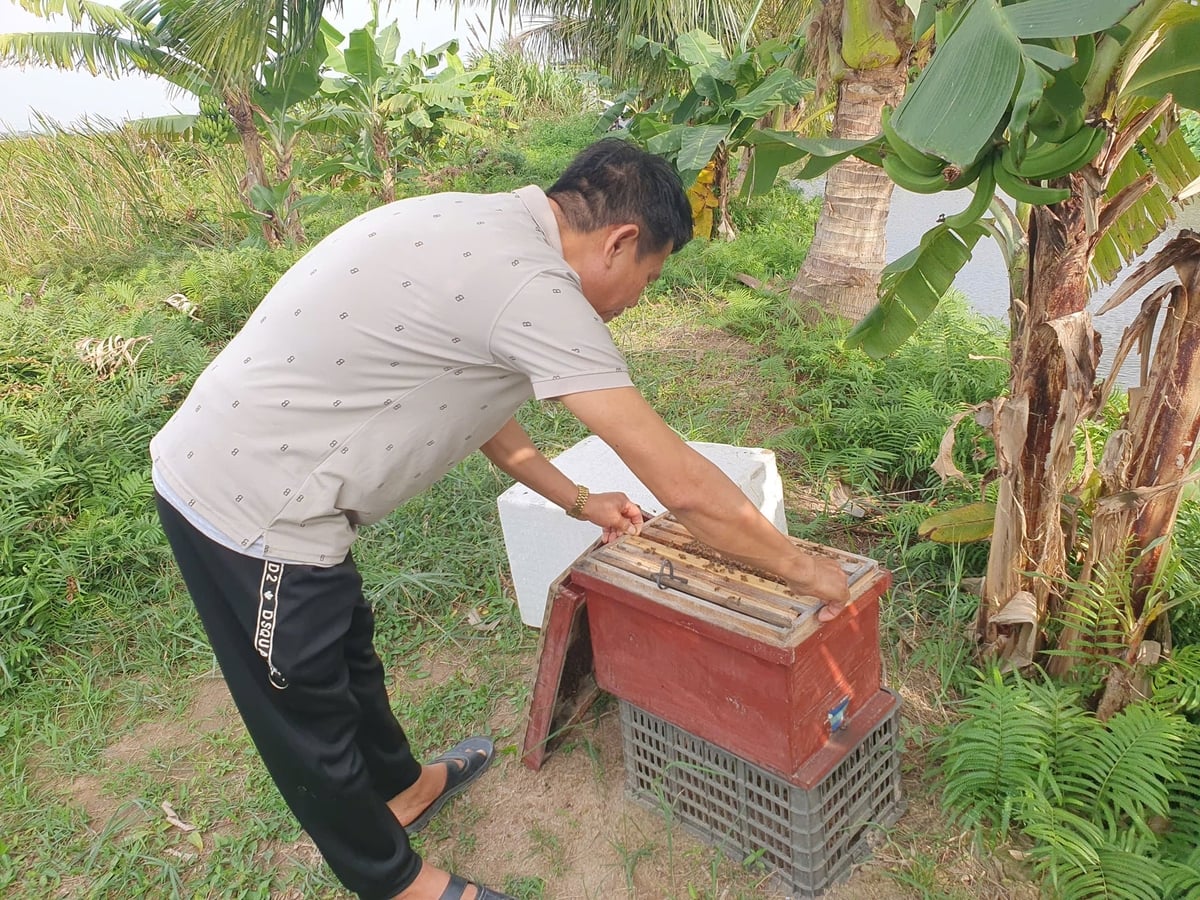
Dang Thanh Tung, Director of the Tung Hang Honey Cooperative, inspects bee colonies in preparation for their annual "migration" to the Bang La apple mangrove flowering area. Photo: Dinh Muoi.
To meet stringent quality standards, the honey is processed after harvesting to reduce its moisture content to below 23%, resulting in a thicker product that meets export requirements for demanding international markets. Thanks to its high-quality honey and modern processing technology, the cooperative's products have been certified as a 4-star OCOP product and are now available in supermarkets across Hai Phong as well as neighboring provinces and cities, including Ha Noi, Thanh Hoa, Ninh Binh, and Hung Yen.
In Nam Do Son Ward, with support from local authorities, the agriculture sector, and the ward Farmers' Union, the Bang La Professional Farmers' Group was established, comprising 21 members who manage more than 2,090 bee colonies. The group has fostered a close-knit community where beekeepers share technical knowledge and market opportunities.
The model operates under the principles of the "Five Shared Values": shared vision, shared interests, shared knowledge, shared responsibility, and shared benefits, as well as the "Five Self-reliance Principles": self-awareness, voluntary participation, self-management, self-governance, and accountability. This approach has helped overcome fragmented, small-scale production and enabled members to produce sufficient volumes to supply supermarket chains and food retailers. Do Son honey is currently being prepared for OCOP certification as one of the area's flagship products, linked to the coastal tourism brand.
To professionalize the beekeeping industry, Hai Phong's agriculture sector has introduced a range of support policies. In early July 2024, the Hai Phong Forest Management and Agricultural Extension Board handed over equipment and materials for a pilot project on VietGAHP-certified beekeeping, integrated with product marketing and traceability. The initiative marks an important step toward developing a more professional and sustainable beekeeping industry in the locality.
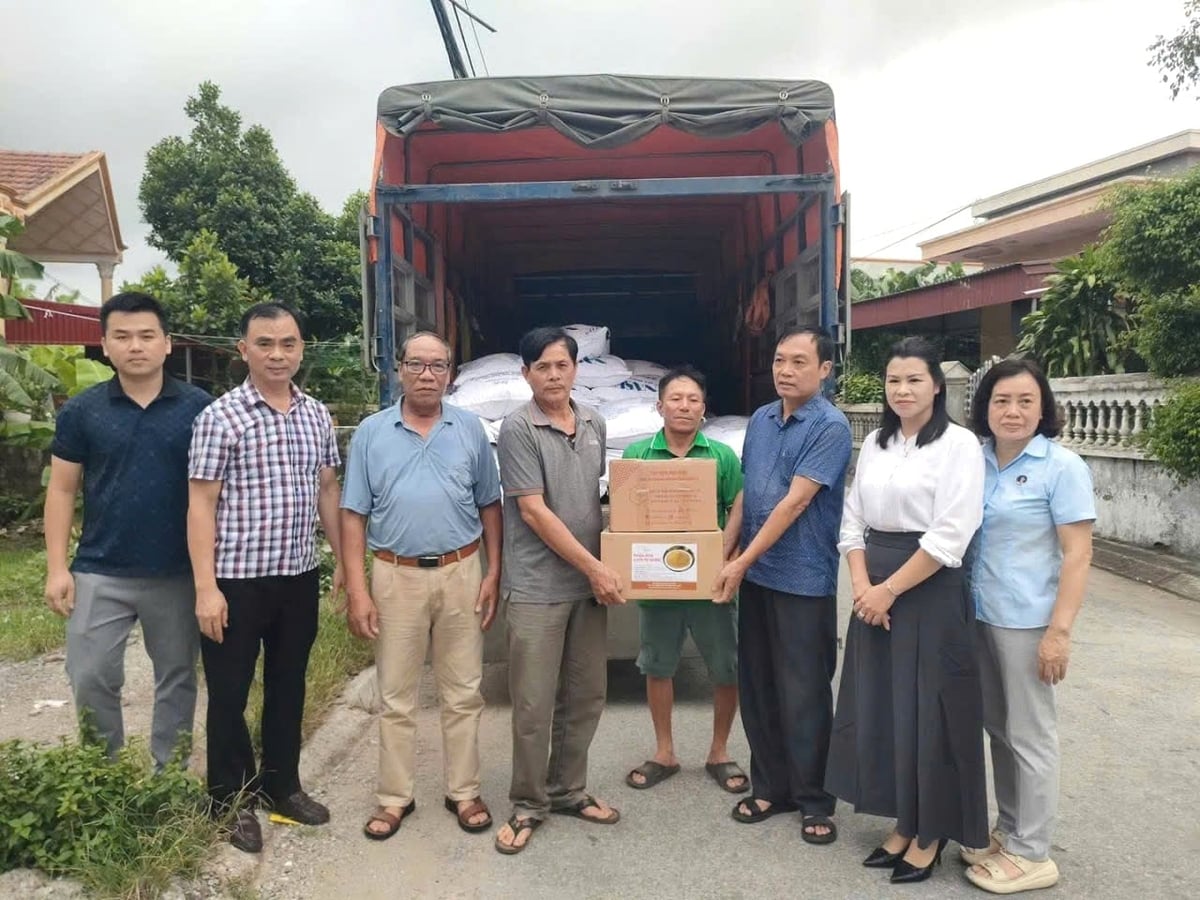
Representatives of the Hai Phong Forest Management and Agricultural Extension Board hand over equipment and supplies for the "VietGAHP-certified beekeeping linked to market access and product traceability" model to residents of Nam Do Son Ward. Photo: Dinh Muoi.
Under the model, participating households receive not only production materials and bee colonies but also technical guidance on transitioning from traditional beekeeping practices to VietGAHP standards. The primary goal is to produce honey that is safe for consumers while introducing labeling and identification codes to ensure full product traceability.
Earlier, in May 2026, an intensive training course was organized for 40 leading beekeeping households. Participants received practical instruction on colony multiplication, disease prevention, honey harvesting, and proper post-harvest handling. Access to new technologies and technical knowledge has helped shift local beekeepers from experience-based production toward more science-based practices that improve both productivity and honey quality.
Beekeepers described the material support as a "lifeline" that helps colonies survive periods when natural nectar sources are scarce. Meanwhile, adopting VietGAHP standards has encouraged farmers to transition from traditional production methods to standardized practices that improve disease control and enable transparent traceability. Together, these efforts have created a mutually beneficial relationship between beekeeping and forest conservation: bees improve crop pollination and help sustain the mangrove ecosystem, while healthy forests provide a stable source of nectar.
Nguyen Van Quyet, Vice Chairman of the Kien Hai Commune People's Committee, said mangrove beekeeping has become one of the commune's key ecological livelihood models.
"We encourage people to make sustainable use of forest resources while integrating beekeeping with experiential tourism. This approach not only creates stable livelihoods for local communities but also helps preserve the coastal 'green shield' against climate change," he said.
According to the Hai Phong Forest Management and Agricultural Extension Board, agricultural extension models linked to market development not only increase the value of honey products but also contribute to conserving the biodiversity of mangrove forests. By generating sustainable incomes from the forest, local communities become its strongest stewards and protectors.
Translated by Phuong Linh

(VAN) An over 30-billion-VND 'Sustainable Shrimp Governance' project launched in Ca Mau aims to boost a green, transparent, and sustainable shrimp value chain.

(VAN) A cooperative in Hue City has transformed the humble banana plant, a familiar sight across rural Vietnam, into a diverse range of value-added products.

(VAN) Women are a crucial force in disaster prevention, response and recovery, contributing to building safer and more resilient communities.

(VAN) From a traditional nursery production base, a company in Vinh Long is investing in tissue culture technology to standardize planting material and promote more sustainable agricultural production.
/2026/07/14/0232-2-185619_429.jpg)
(VAN) In the largest custard apple-growing region of Tay Ninh, agricultural extension officers of Binh Minh Ward quietly bridge knowledge with production practices, empowering farmers to make new breakthroughs.
/2026/07/14/1709-nhung-nguoi-giu-nuoc-o-minh-noi-163759_375-063924.jpg)
(VAN) The clean water supply system in Minh Noi Village has deteriorated, yet it continues to serve nearly 50 households thanks to the collective efforts of the local community and its self-governing group.
