July 24, 2025 | 22:26 GMT +7
Hotline: 0913.378.918

July 24, 2025 | 22:26 GMT +7
Hotline: 0913.378.918
On the afternoon of April 11, in Da Lat city (Lam Dong province), the National Agricultural Extension Center (NAEC), under the Ministry of Agriculture and Environment (MAE) held a workshop to review and evaluate the project on policy dialogue development and raising awareness about the responsible use of agricultural inputs, as well as waste collection and treatment in coffee production in Vietnam.
The project, implemented during 2024-2025, aims primarily to promote sustainable coffee production in Vietnam.
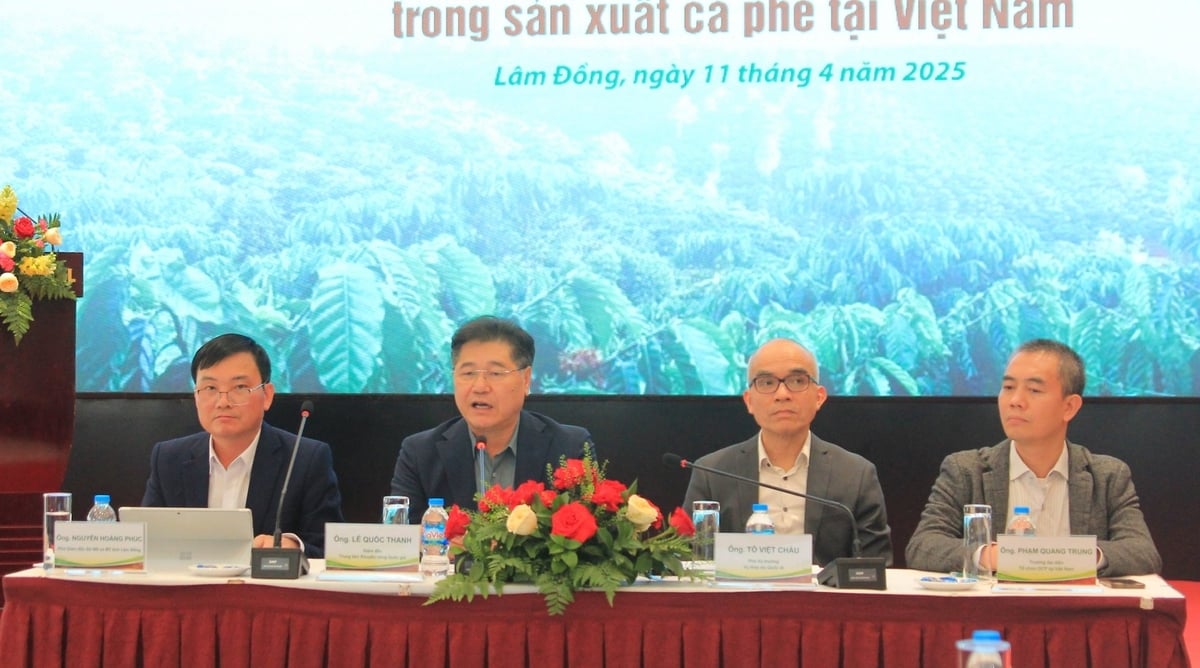
Leaders of the organizing units chaired the discussion session at the workshop. Photo: PC.
According to NAEC, despite its great potential, Vietnam’s coffee sector is facing numerous challenges in the path toward sustainable development, especially in waste management and the responsible use of agricultural inputs.
Currently, waste management in the coffee sector in Vietnam remains limited due to low public awareness, inconsistent treatment technologies, and a lack of supportive policies. Waste generated from coffee production (such as coffee husks, grounds, processing wastewater, fertilizer packaging, and pesticide containers) is often not collected or treated properly. This has led to negative environmental impacts and soil degradation due to the improper use of chemical fertilizers and pesticides, which disrupts microbial balance and contributes to greenhouse gas emissions from processing and transportation.
Therefore, ensuring the responsible use of agricultural inputs and the proper collection and treatment of waste is a long-term process, requiring comprehensive changes from policy to producer behavior.
To achieve the project's goals, NAEC has organized 12 training courses for 360 participants, focusing on advanced weed management practices, good agricultural practices in coffee farming, hygiene, health, and occupational safety, as well as capacity building for members of community-based extension networks in four Central Highlands provinces. Additionally, two stakeholder consultation workshops were held to seek solutions and share responsibilities for waste collection and management in coffee production, along with two media talk shows involving 240 participants to disseminate the project's outcomes and impacts.
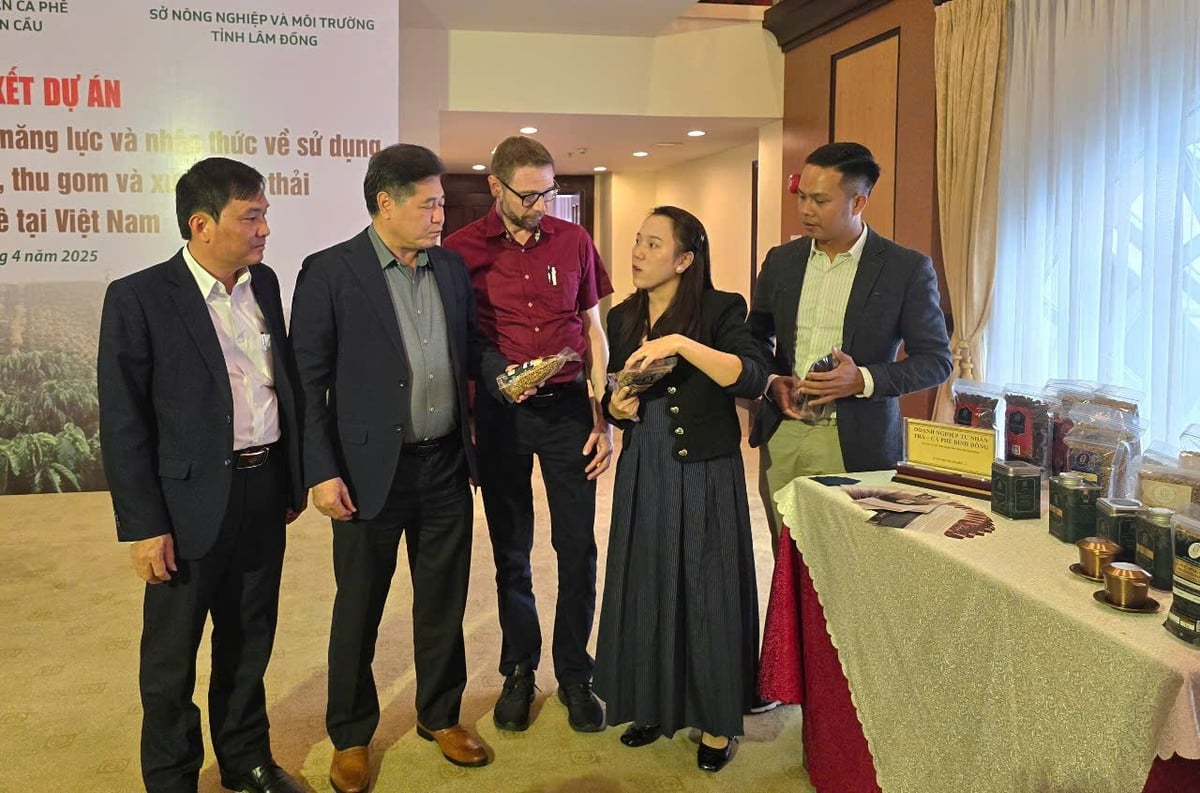
Mr. Le Quoc Thanh (second from the left), Director of the National Agricultural Extension Center, visited the coffee display booth of Binh Dong Farm. Photo: PC.
As a result, the project has achieved notable outcomes in raising awareness among agricultural extension staff, community extension team members, and coffee producers about the necessity of proper waste collection and disposal measures to minimize negative environmental impacts. It has also helped them understand the strict market requirements for food safety and the sustainable development of the coffee product market.
Additionally, the project has equipped participants with essential knowledge and skills to apply sustainable farming practices, manage agricultural inputs effectively, and carry out proper waste collection and disposal at the farm level. The community extension workforce has been strengthened, and the capacity of community extension team members has been enhanced.
The consultation workshops and forums provided valuable information and recommendations to management agencies, agricultural extension officers, community extension staff, and stakeholders to review and adjust policies related to waste management and the sustainable use of agricultural inputs in coffee production.
With an area of about 176,000 hectares and an output of nearly 600,000 tons per year, in recent years, Lam Dong has focused on developing sustainable coffee production according to certification standards, covering over 86,000 hectares, including Organic Certification, VietGAP, 4C, etc.
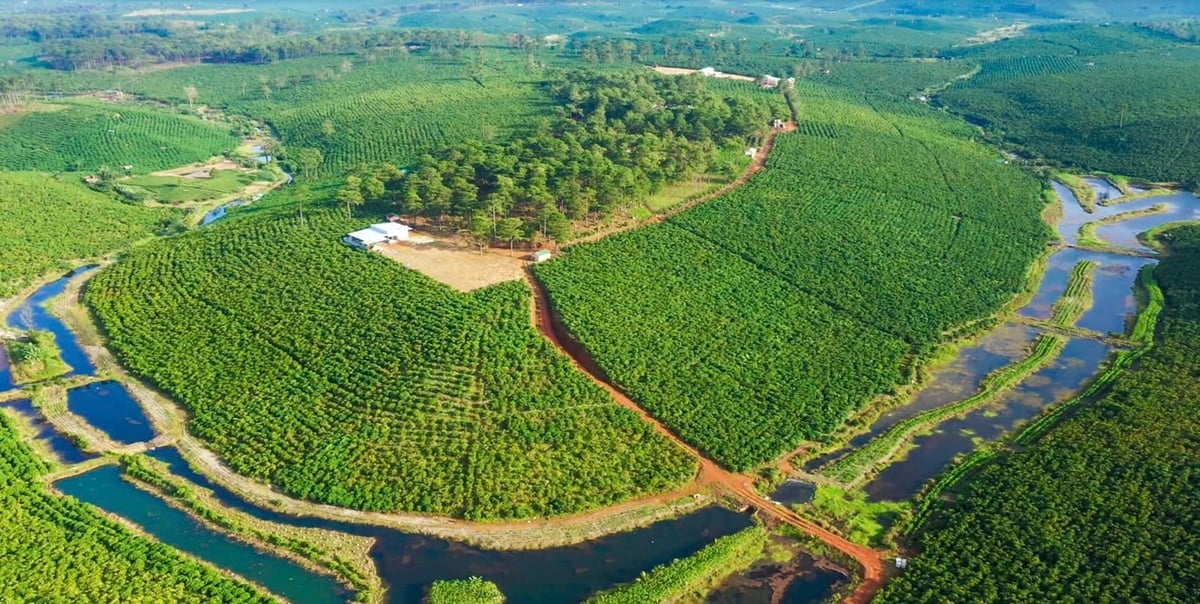
Lam Dong has focused on developing sustainable coffee production according to certification standards covering over 86,000 hectares, such as Organic Certification, VietGAP, 4C, etc. Photo: PC.
Mr Nguyen Hoang Phuc, Deputy Director of the Lam Dong Department of Agriculture and Environment, said that annually, coffee farmers in the province use over 350,000 tons of fertilizers, including about 140,000 tons of organic fertilizers and over 200,000 tons of inorganic fertilizers. In addition to fertilizer use, the widespread use of chemical pesticides, if not properly collected and treated, will have a significant impact on the ecological environment.
"Therefore, in recent years, the leadership of Lam Dong province has always been focused on directing safe and sustainable agricultural production. Special emphasis has been placed on environmental protection through resolutions, programs, and plans from the Provincial Party Committee and the Provincial People's Committee. As a result, agricultural products in general and coffee in particular always meet quality standards and export requirements," Mr. Nguyen Hoang Phuc shared.
A clear example is Binh Dong Farm, with a coffee cultivation and production area of 111 hectares in Loc Ngai commune, Bao Lam district (Lam Dong). Of this, 90 hectares are dedicated to coffee farming, over 5 hectares are ponds, and 2.5 hectares are for factory buildings.
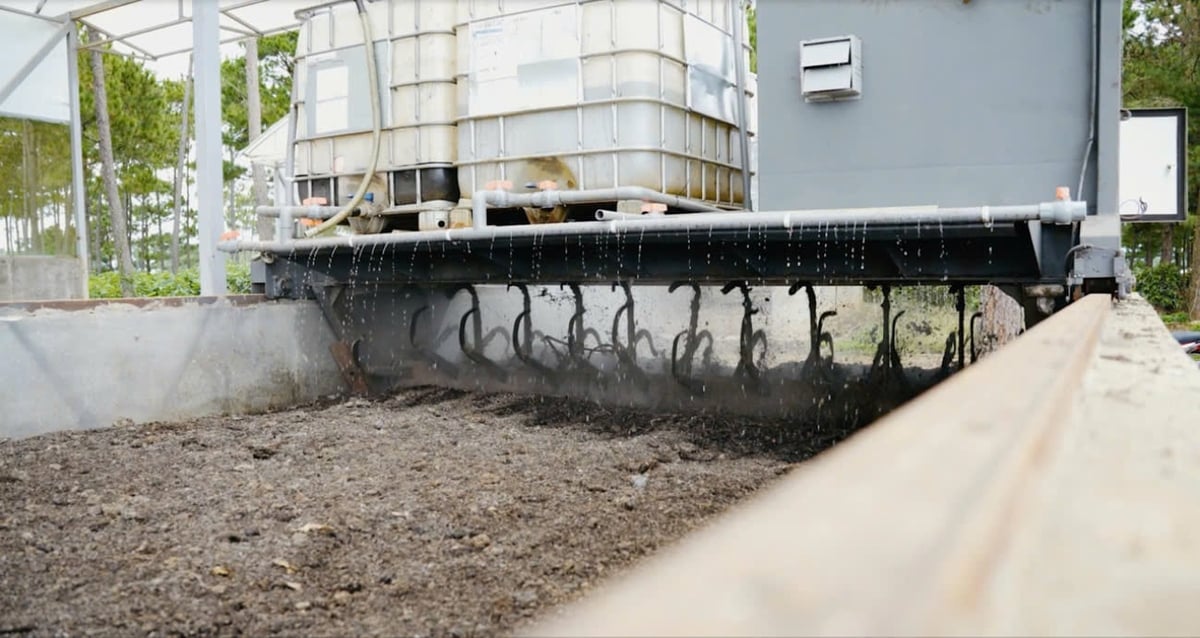
The area for processing coffee husks for composting at Binh Dong Farm. Photo: PC.
To enhance the value of coffee and turn regular coffee into a higher-value product in the market, Binh Dong Farm decided to transition from traditional production to high-quality coffee. This process is carried out using organic farming methods, environmentally friendly practices, with no use of herbicides, and provides a balanced mix of organic and inorganic nutrients.
Mr. Nguyen Thanh Loc, CEO of Binh Dong Farm, said that not only has the quality of raw coffee improved, but the coffee processing process has also been enhanced. Binh Dong Farm utilizes the principle of water flow to wash, remove impurities, and reject substandard coffee, prioritizing the use of dry processing machines (or using water at a minimal level). After processing, the coffee husks are utilized by combining them with biological products for composting. After being mixed and composted for 3-5 months, they are used as fertilizer for the crops.
The washing water from the processing process flows into three sedimentation ponds, and the farm uses additional strains of probiotics to quickly treat the organic matter in the waste and improve wastewater treatment efficiency. The wastewater, after being treated through the three sedimentation ponds, is then discharged into the external water system and is reused for irrigation of the coffee plants.
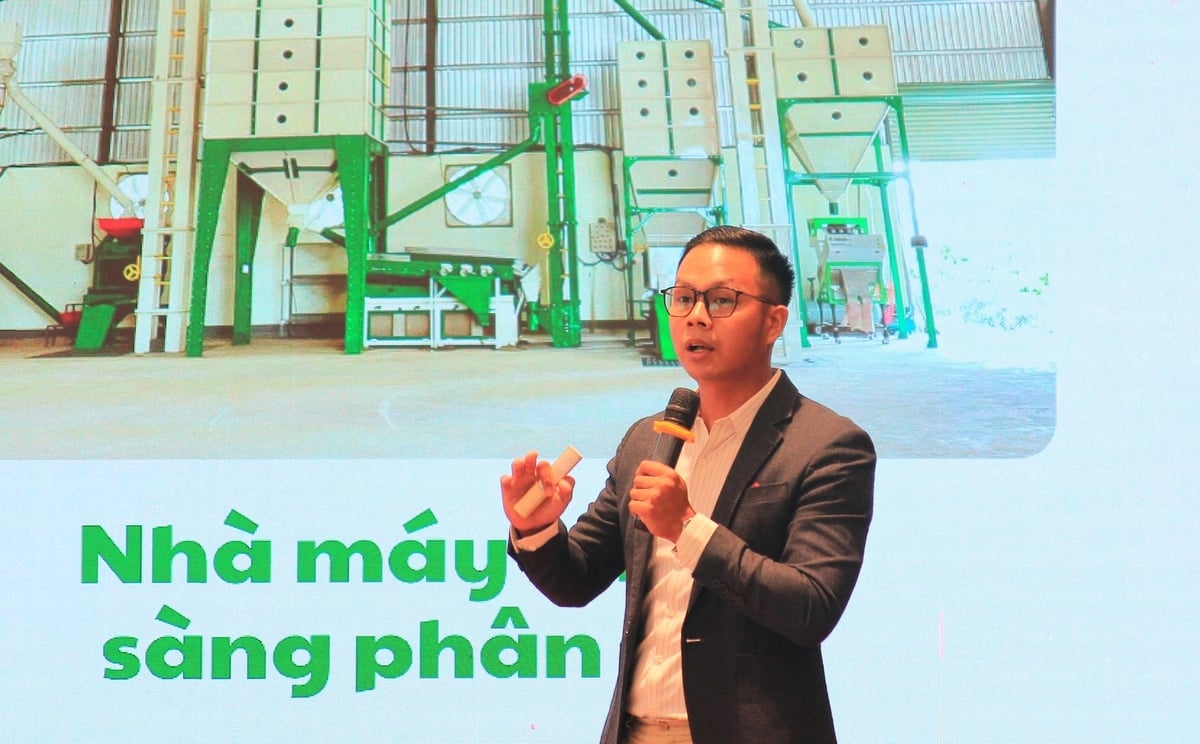
Mr Nguyen Thanh Loc, Executive Director of Binh Dong Farm, presented the results of wastewater treatment in sustainable coffee production at the workshop. Photo: PC.
“Through sustainable coffee cultivation and production, our yield has increased from 3-4 tons per hectare to 5-6 tons per hectare, and the quality has significantly improved, with higher sugar content in the cherries. In addition, the number of international customers has grown steadily. Coffee from Binh Dong Farm is now being exported to countries such as Turkey, Belgium, New Zealand, and South Korea,” shared Mr. Nguyen Thanh Loc.
According to Mr. Le Quoc Thanh, Director of the NAEC, in recent years, MAE has directed localities to develop raw material zones and focus on solutions to support farmers and cooperatives in connecting with businesses. The emphasis has been on safe and sustainable practices, especially for value chains with export potential.
“Over the past year, Vietnam’s coffee exports exceeded USD 5 billion. Although production volume declined, the overall value of the coffee sector increased. This demonstrates that we have successfully integrated into value-enhancing production chains by adopting sustainable, high-quality, and green growth approaches,” Mr. Le Quoc Thanh emphasized.
In 2024, Vietnam's coffee exports are estimated to reach 1.32 million tons, with a value of USD 5.48 billion, a decrease of 18.8% in volume but an increase of 29.11% in value compared to the same period in 2023. The average export price of coffee in 2024 is estimated to reach USD 4,151/ton, an increase of 56.9% compared to the same period in 2023.
Translated by Kieu Chi

(VAN) More than 115 agrifood experts, government advisors and business leaders are calling for animal-source foods to be excluded from a UN declaration to eliminate trans-fatty acids.

(VAN) At the 17th Partnership Council Meeting of the Partnerships in Environmental Management for the Seas of East Asia (PEMSEA), Vietnam presented a variety of marine management and protection initiatives and experiences.

(VAN) Phong Nha - Ke Bang is the largest national park in Vietnam, spanning over 123,000 hectares, and is recognized as one of the world's 200 most significant centers of biodiversity.

(VAN) VAN News features an Op-ed by Pauline Tamesis and Ramla Khalidi, reflecting on the UN Secretary-General’s call for bold climate action in 'A Moment of Opportunity: Supercharging the Clean Energy Age.'
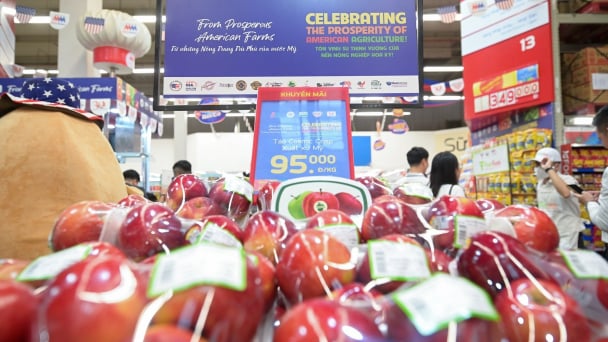
(VAN) From July 23 to August 6, Vietnamese consumers can enjoy shopping while exploring unique American cuisine at MM Mega Market Thang Long.
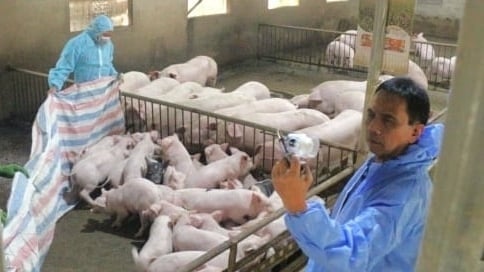
(VAN) Prime Minister Pham Minh Chinh has just signed Official Dispatch No. 109/CD-TTg on the drastic and synchronous implementation of solutions to prevent and control African swine fever.
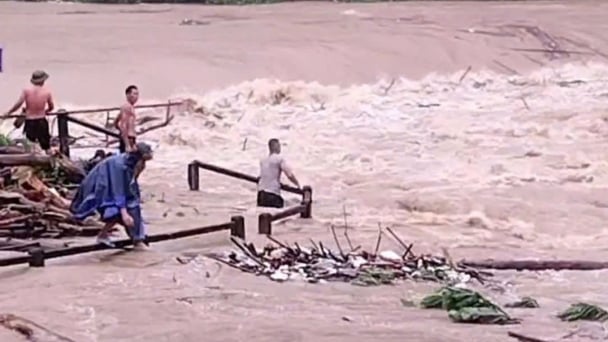
(VAN) Over July 21-22, provinces in the Northern Delta, Thanh Hoa, and Nghe An experienced widespread rainfall of 100-200mm, with many areas exceeding 300mm, due to the influence of Typhoon Wipha.
