June 2, 2026 | 08:17 GMT +7
Hotline: 0913.378.918

June 2, 2026 | 08:17 GMT +7
Hotline: 0913.378.918
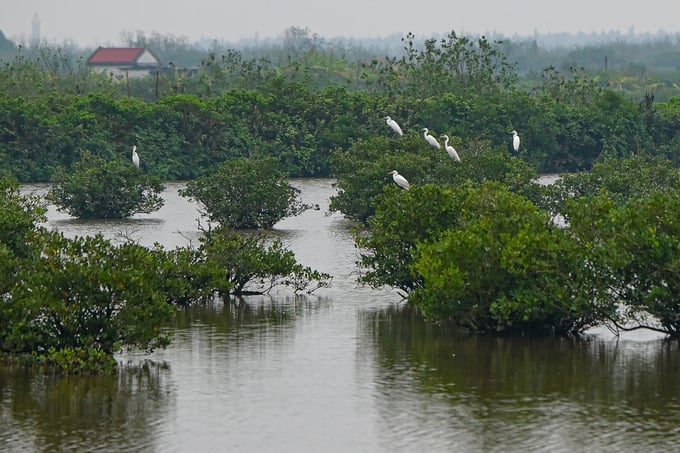
Vietnam has made significant strides in efforts to combat and prevent wildlife violations. Photo: Tung Dinh.
"National Counter Wildlife Trafficking Priorities 2024" is an annual document first developed in 2016 to assess and prioritize pressing issues to effectively address illegal wildlife trade, contribute to the protection of endangered and rare wildlife populations, and gradually eliminate Vietnam's role in the global illegal wildlife trade network.
Through this document, ENV has recognized Vietnam's efforts and progress in combating wildlife violations and raising public awareness about wildlife protection. At the same time, it highlights major challenges such as fully dismantling cross-border wildlife trafficking networks.
ENV also proposes publishing a list of wildlife species permitted for commercial farming in Vietnam as an immediate solution to address illegal importation and the legalization of wildlife with illegal origins.
Another troublesome issue proposed by ENV is to prevent the entry and proliferation of exotic pets. In 2023 alone, ENV recorded over 310 violations involving more than 19,300 exotic wildlife individuals being traded or kept in captivity.

Preventing the spread of exotic pets is crucial. Photo: ENV.
According to Ms. Bùi Thị Hà, ENV’s Deputy Director, efforts to prevent wildlife extinction in Vietnam and globally face numerous challenges. All actions listed in "National Counter Wildlife Trafficking Priorities 2024" are urgent and require intervention from State management and law
ENV believes that the National Strategy for Biodiversity by 2030, with a vision to 2050, represents Vietnam’s strong commitment to species conservation goals. The organization hopes this document will serve as a valuable reference for policymakers and law enforcement agencies.
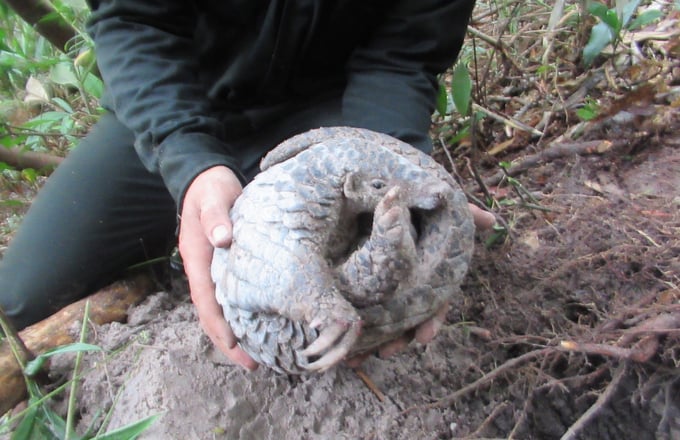
Efforts to prevent the extinction of wildlife species in Vietnam and worldwide face significant challenges. Photo: WWF-Vietnam.
"ENV particularly emphasizes the need to focus on investigating, arresting, and prosecuting leaders of major wildlife trafficking rings, as well as issuing a list of wildlife species permitted for commercial farming to improve the management and protection of wildlife and slow biodiversity loss in Vietnam", stated Ms. Bui Thi Ha.
The 12 critical actions identified by ENV for 2024 include:
- Take down major international trafficking networks and their leaders
- Investigate major seizures at ports to ultimately identify, arrest,and prosecute the owner behind these shipments
- Eradicate corruption
- Prevent criminal behavior through establishing effective deterrents
- Address laundering of wildlife and strengthen protection for Vietnam’s biodiversitycontrols of commercial through the issuance of a “clean list” of species viable for farming
- Develop one overarching law on non-commercial/conservation facilities
- Tackle tiger trafficking in Vietnam, especially in Nghe An province
- Pull the plug on wildlife crimes on the internet
- Finish the job: Ending bear bile farming in Vietnam and closing down all bear farmsin the nation’s capital
- Arrest the growth of the exotic species trade
- Phasing out illegal bird trade step by step
- Reduce consumer demand for wildlife through activegovernment-led information campaigns on TV, radio, in the media, and on the internet
Translated by Kieu Chi

(VAN) Following the countryside development strategy, the eco-museum model offers a new approach by returning heritage to communities and the village spaces.

(VAN) To make South-South cooperation truly effective, it is time to move beyond a narrow focus on technical transfer and adopt a long-term, systemic, and field-oriented approach.

(VAN) What Tuyen Quang’s agricultural sector seeks is not merely investment, but also large-scale production zones, modern value chains and greater opportunities for farmers to prosper.

(VAN) As packaging collection and recycling regulations take effect, companies that prepare early gain an advantage by turning compliance into economic value.

(VAN) Microplastics are accumulating in dense concentrations along the bed of the To Lich River, pressing Hanoi to consider long-term monitoring programs and pollution control measures targeting contamination at its source.

(VAN) Agricultural by-products such as rice husks and sugarcane bagasse, once regarded as waste, are now being recycled by Vietnamese businesses into environmentally friendly products for export to global markets.

(VAN) Under mounting pressure to control pesticide residues, a growing number of durian growers are turning to biological solutions to improve fruit quality and meet export market requirements.
