July 21, 2026 | 14:11 GMT +7
Hotline: 0913.378.918

July 21, 2026 | 14:11 GMT +7
Hotline: 0913.378.918
The world is facing an unprecedented water crisis. According to the World Resources Institute, around 4 billion people experience water scarcity for at least one month each year. More than half of the world’s large lakes have seen declining storage since the 1990s, while about 70% of major groundwater reserves are being overexploited.
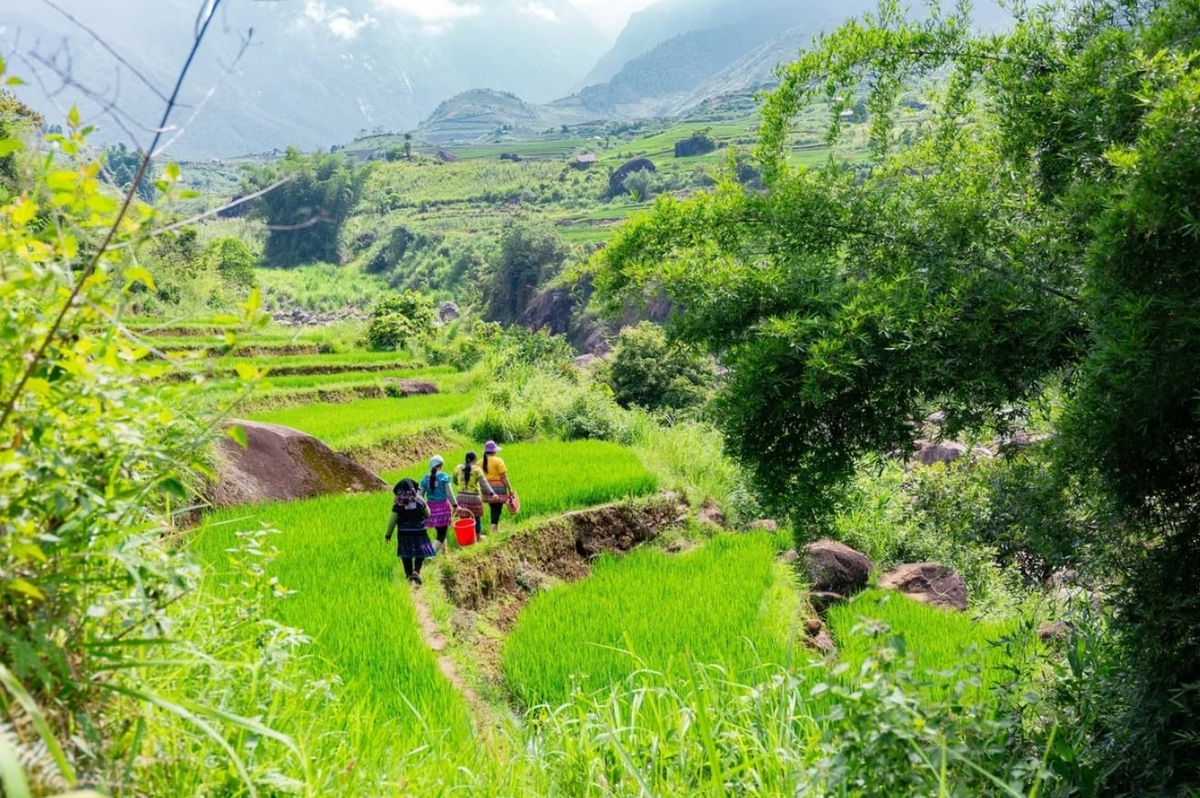
Women in remote mountainous areas often have to climb hills or walk down to streams to collect water for daily use. Photo: Bui Hoang Quan.
Climate change is further intensifying the crisis, with extreme events such as droughts, floods, and saltwater intrusion becoming increasingly frequent. The United Nations warns that, without timely action, global water demand could outstrip supply by as much as 40% by 2030.
The water crisis extends far beyond environmental concerns, carrying profound economic and social consequences. Agricultural production is disrupted, food security comes under strain, and tensions over water are escalating. In fact, water-related conflicts have multiplied several times over the past decade.
Viet Nam is no exception to this trend. While often regarded as relatively water-rich, its water resources are coming under increasing strain from both natural and human pressures. About 60% of the country’s water supply relies on transboundary sources, with only 40% generated domestically. This heavy dependence raises serious concerns for water security, particularly as droughts, salinity intrusion, and climate change continue to intensify.
Water pollution is another pressing concern. Much of the domestic and industrial wastewater remains inadequately treated before being discharged, steadily degrading the quality of many rivers and canals.
These challenges show that water is not just about managing a resource, but about ensuring sustainable development and social equity - an idea at the core of World Water Day 2026.
According to UNICEF, women and girls around the world spend an estimated 200 million hours each day collecting water - a striking figure that underscores the deep inequality in access to this essential resource.
In many regions, water scarcity not only makes daily life more difficult but also deprives girls of the chance to learn and grow. The time spent fetching water often keeps them out of school, and in many cases, leads them to drop out altogether.
Beyond lost opportunities, they also face serious safety risks when traveling long distances to collect water. The water crisis is therefore not just an environmental issue, but a matter of human rights.
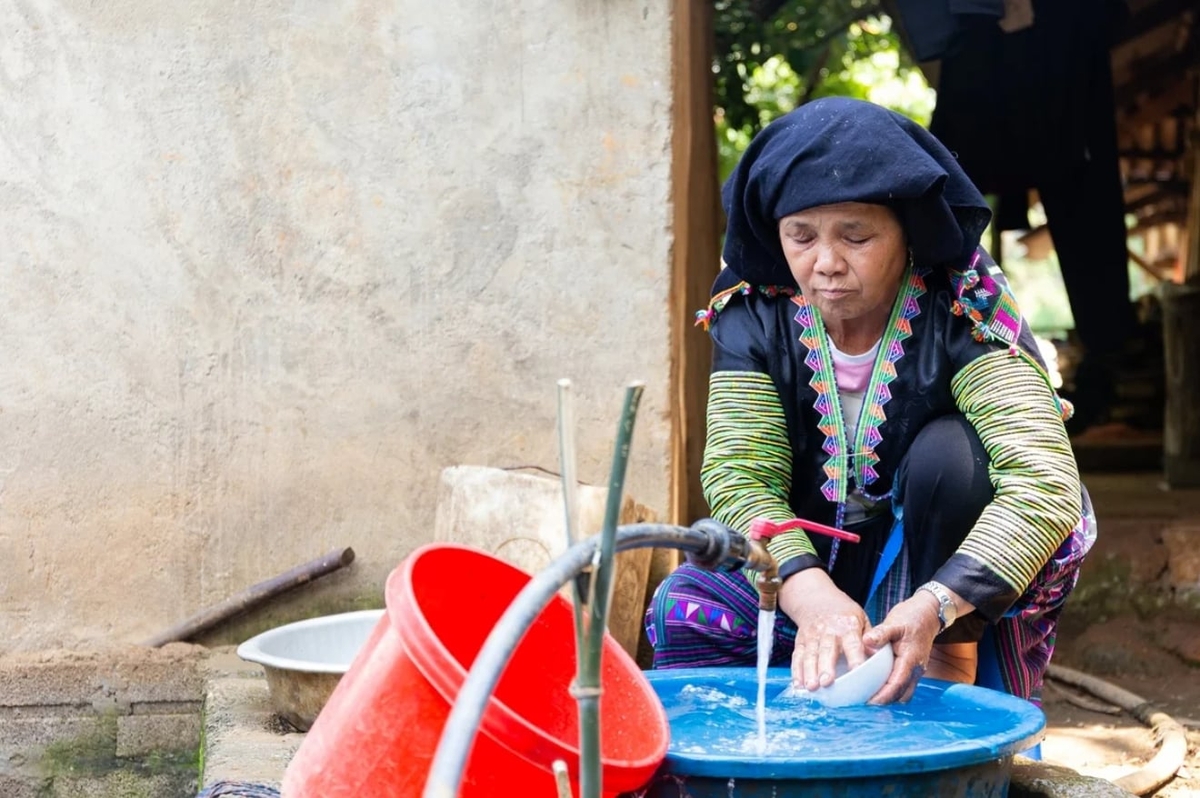
Access to water has brought a greater sense of independence to H’Mong women. Photo: Bui Hoang Quan.
When water quality is compromised, women tend to bear the greatest impact. They face greater health risks and frequently bear the added burden of caring for ill family members.
A notable paradox remains: although women play a central role in using and managing water at the household and community levels, their voices are often missing from decisions on water resources. According to the United Nations, women remain underrepresented in leadership roles across the water sector.
With the theme “Water and Gender,” World Water Day 2026 highlights that fair access to water is inseparable from the empowerment of women. When clean water is out of reach, so too are women’s opportunities to grow and thrive.
In this context, strengthening women’s role in managing and protecting water resources is increasingly seen as both essential and sustainable.
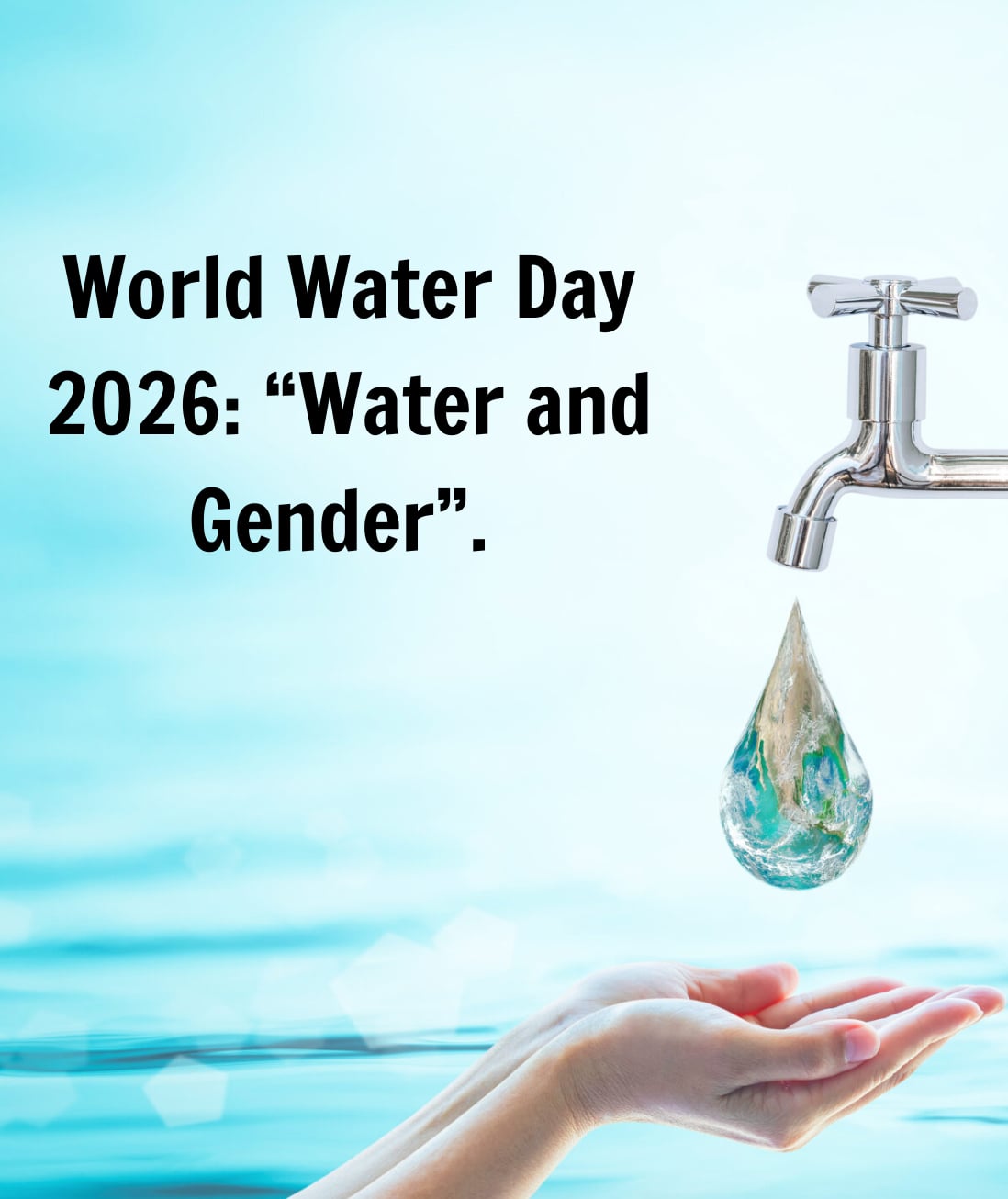
The message of World Water Day 2026 places women and girls at the centre of water solutions. Photo: UN.
According to Ms Doan Vu Thao Ly, Deputy Director in charge of gender and environment at the Centre for Environment and Community Research (CECR), women today play a vital role in the use, management, and protection of water resources.
Shaped by traditional gender roles, many of women’s daily activities - such as cooking, washing, and caring for their families - are closely linked to water use. These routines help foster habits of conserving water, reducing waste, and safeguarding household water sources.
Women are not only users of water; they also play many roles - as engineers, scientists, farmers adopting sustainable irrigation, sanitation workers, and community leaders helping to protect water resources.
Beyond the household, women are active contributors to environmental protection at the community level. In many places, women’s unions have led effective initiatives - from waste collection and canal clean-ups to campaigns promoting water conservation and hygiene.
In practice, when women are empowered and involved in water management, the benefits are clear. Programs that include women tend to be more successful, grounded in everyday realities and strengthened by their ability to inspire change within communities.
Yet to fully realise this potential, more concrete policies are needed to strengthen women’s role in decision-making. Doing so will not only improve water management but also advance gender equality.
Experts also emphasise the need to expand women’s access to education, technology, and financial resources, enabling them to develop the skills needed for technical and leadership roles in the water sector.
Water is essential to life, but how it is managed and shared ultimately shapes the fairness of society. When water is secure, women and girls have greater opportunities to learn, work, and thrive.
When water is scarce, they often bear the heaviest burden.
The message of World Water Day 2026 is therefore both clear and compelling: sustainable development cannot be achieved without gender equality in access to and management of water. Empowering women is not only a social goal, but also a practical pathway to protecting water resources.
As water challenges continue to intensify, bringing together effective resource management and gender equality will be key to building a sustainable future - one where no one is left behind.
Translated by Minh Hanh

(VAN) Viet Nam is actively preparing to participate in GREEN EXPO 2027 to promote its image as a green, sustainable, and innovative nation on the global stage.

(VAN) Lai Chau is passing by in a hurried rhythm at this time. Everyone is working tirelessly against the clock, devoting all efforts to overcoming the aftermath of the disaster.

(VAN) Some countries consider agriculture a public service, so the state must invest in it, according to Ass. Prof Dr. Dao The Anh, former Deputy Director of the Viet Nam Academy of Agricultural Sciences.

(VAN) The Minister of Agriculture and Environment of the Lao PDR recognizes the VRG's significant contributions over two decades of investment and operations in Laos.

(VAN) The VNMHA held a conference to review its work over the first six months of the year and set out priority directions and tasks for the second half of 2026.

(VAN) Khanh Hoa Sea Festival 2026, themed ‘Colors of the Ocean - Reaching International Scale,’ conveys a message of green marine economic development, integration, and Khanh Hoa's rising position.

(VAN) Viet Nam and the Food and Agriculture Organization of the United Nations (FAO) have launched a project to strengthen water resources management, reduce pollution and restore water quality in the Gulf of Tonkin.
