December 3, 2025 | 06:14 GMT +7
Hotline: 0913.378.918

December 3, 2025 | 06:14 GMT +7
Hotline: 0913.378.918
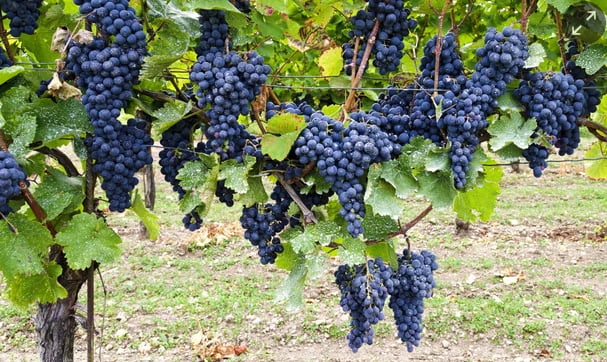
Some imported grapes were found to have residues of as many as 13 pesticides, and 87% of samples contained a chemical cocktail. Photograph: Zoonar GmbH/Alamy.
Imported food has been found to have residues of 48 pesticides that have not been approved for use by British farmers, including chemicals linked to cancer and imidacloprid, which is harmful to bees, analysis shows.
Pesticide Action Network (PAN) went through UK government testing data, comparing the results for pesticide tests on imported and domestically produced food. They found there were residues of 46 cancer-linked pesticides in imported produce, compared with 19 in food of UK origin. Exporters include the EU, Peru, Thailand, Turkey and the US.
PAN also found that 29 pesticides linked to endocrine disruption, which can interfere with hormone systems and lead to health problems including cancers and birth defects, were present in imported produce, compared with 12 in homegrown food.
Also detected was the pesticide imidacloprid, which was banned for use on UK crops in 2018. A number of studies have found that the chemical, which belongs to the neonicotinoid group, is extremely harmful to bees. Traces of the pesticide were found on produce including potatoes, peas and grapes.
Nick Mole from PAN UK said: “While the results for UK produce are also concerning, when it comes to pesticides that pose a risk to consumer health, imports tend to be far worse than food grown here in the UK. The imported food tested by the government contained almost three times the number of highly hazardous pesticides, including carcinogens, endocrine disruptors and neurotoxins.
“The UK government is allowing larger amounts of chemicals to appear in an ever-growing list of common food items. They urgently need to reverse this current trend.”
Alongside its analysis, the campaign group launched its annual Dirty Dozen list, which highlights the produce that has multiple pesticide residues present. This is because there is evidence that when a product has more than one pesticide on it, this can result in a “cocktail” effect which aggravates the health problems caused.
At the top of the list this year is soft citrus fruit, which includes satsumas, tangerines and clementines, of which 96% had more than one pesticide present when tested. The highest number of pesticides found on a piece of soft citrus fruit was nine.
Oranges came second with 95% containing a cocktail of chemicals, and nine pesticides were found on the fruit. Grapes were found to have the highest number of pesticides at 13, and 87% of grape samples contained a chemical cocktail.
“By allowing banned pesticides in our imports, the UK is exporting its environmental and human health footprint abroad. Farmworkers and wildlife in countries where our food is grown are exposed to these dangerous chemicals and will suffer the associated harms. It also undermines British farmers at a time when we are asking them to produce more sustainably,” said Mole.
“But any drop in British pesticide standards will be a major problem for trade with the EU, which could also devastate UK farming. If the government is serious about protecting British consumers and supporting our farmers, it can kill two birds with one stone by not allowing food imports grown using pesticides banned for use domestically to enter Great Britain.”
A spokesperson for the department for environment, food and rural affairs said: “We have strict limits on pesticide residues in place, set after rigorous risk assessments to ensure levels are safe for the public. These limits apply to both food produced domestically and imported from other countries.”
(The Guardian)

(VAN) Con Dao National Park officially received its Green List status after it was announced at the IUCN World Conservation Congress in Abu Dhabi in October.

(VAN) The National Assembly’s inspection delegation called for a renewed approach to marine economic development, the removal of legal 'bottlenecks,' and strengthened marine environmental protection.

(VAN) The inevitable path forward is to reorganize production along the value chain, utilizing cooperatives as the core, enterprises as the driving force, and farmers as the central subjects.

(VAN) On November 28, Minister Tran Duc Thang, together with China's Minister of Agriculture and Rural Affairs Han Jun, chaired the 2nd meeting of the Viet Nam - China Agricultural Cooperation Committee.

(VAN) Forest carbon credits are only accepted when they ensure absolute environmental integrity, additionality, permanence, and transparency.

(VAN) Viet Nam partners with Beijing on controlling air pollution, cross-regional management, high-tech monitoring and relocating polluting facilities.

(VAN) With a USD 50 million investment, Australia is partnering with Viet Nam to operate its first public electric bus fleet and develop a nationwide EV charging network.
