July 21, 2026 | 21:38 GMT +7
Hotline: 0913.378.918

July 21, 2026 | 21:38 GMT +7
Hotline: 0913.378.918
For many years, the grassroots veterinary workforce has been regarded as an extension of disease surveillance, vaccination campaigns, and technical support for livestock farmers. The passage of Resolution No. 55/2026/NQ-HDND by the Gia Lai Provincial People's Council on consolidating the commune-level veterinary network has therefore been met with strong support and high expectations from local authorities and farmers alike.
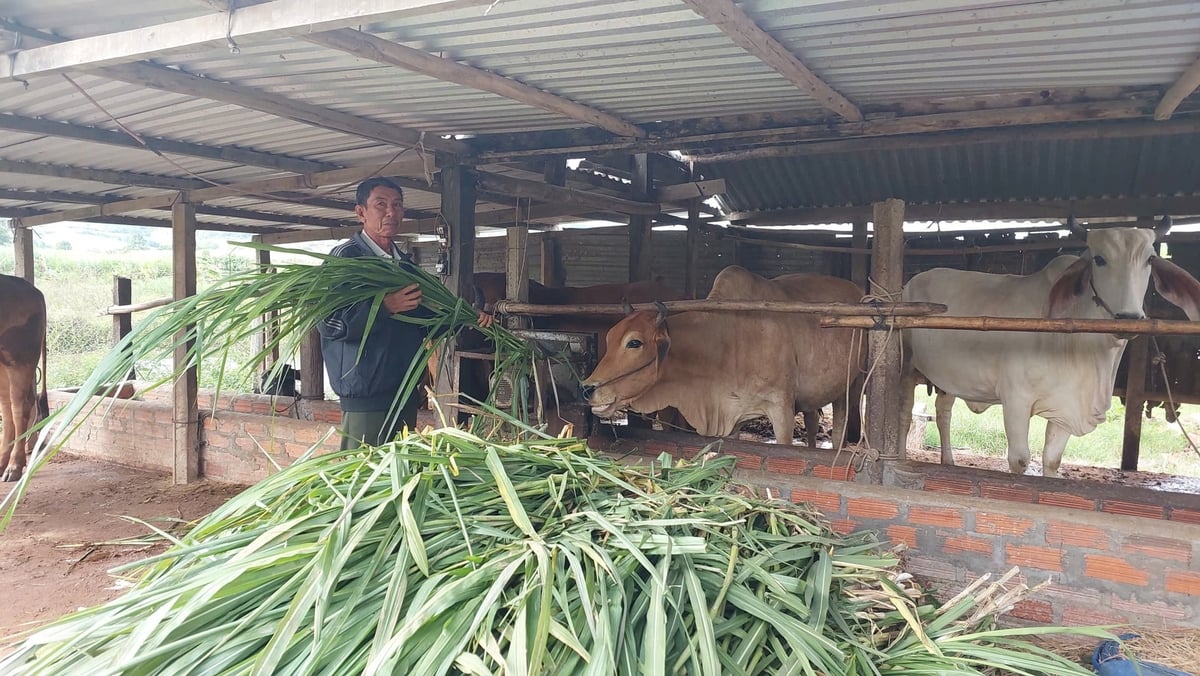
With a grassroots veterinary team in place, Gia Lai's livestock sector can approach disease prevention and control with greater confidence. Photo: Tuan Anh.
Under the resolution, each commune or ward may be assigned up to three veterinary workers depending on the scale of local livestock activity and actual conditions on the ground. Personnel must meet prescribed professional qualification requirements.
Notably, commune-level veterinary workers will receive a monthly allowance equal to 1.5 times the regional minimum wage, will be entitled to participate in professional training courses, and will have 100 percent of their health insurance premiums covered by the state budget. The workforce will be managed by commune-level People's Committees and supervised professionally by higher-level veterinary agencies. Funding for implementing the resolution will be provided from the provincial budget.
The resolution's passage was greeted with enthusiasm across many localities in Gia Lai, where it is seen as an important foundation for strengthening the grassroots veterinary force, improving disease surveillance, protecting livestock herds, and supporting farmers in developing safe and sustainable animal husbandry practices.
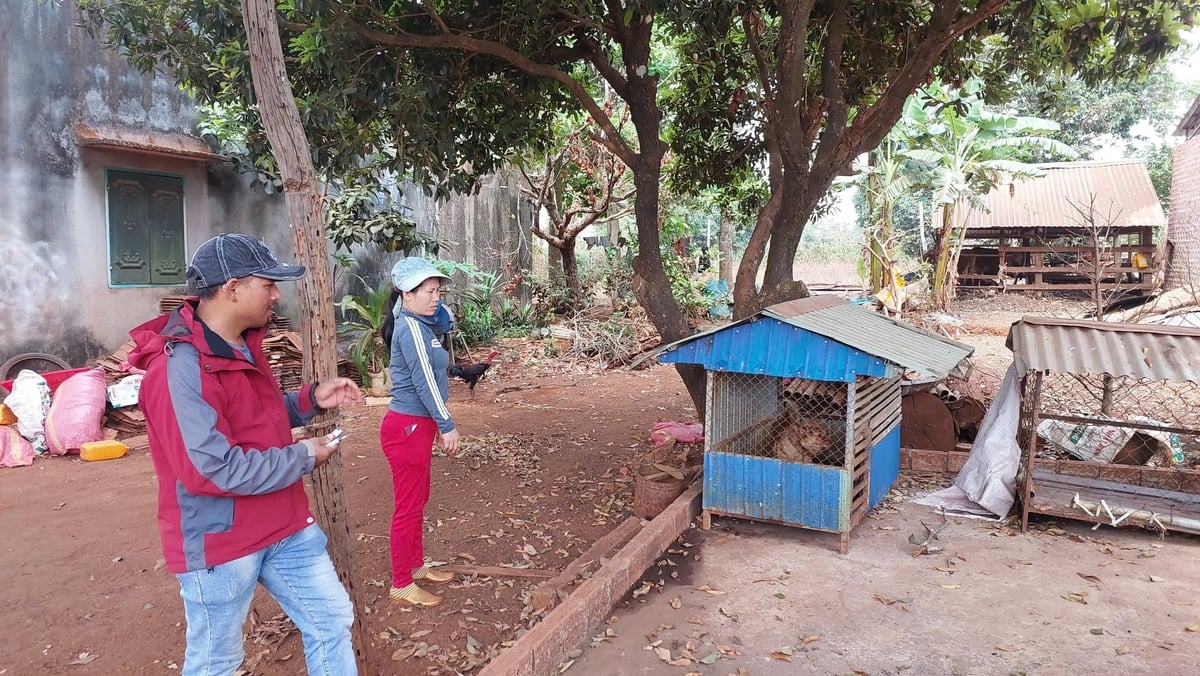
Veterinary officers vaccinate livestock in western Gia Lai province. Photo: Tuan Anh.
Dang Hoai Chau, Chairman of the Phu Tuc Commune People's Committee, said the commune currently maintains a livestock population of more than 23,000 cattle, nearly 10,000 goats, and a substantial number of poultry. Local authorities responded quickly to the resolution's passage by initiating recruitment procedures for commune-level veterinary staff, with candidates required to hold at least a vocational secondary qualification in veterinary medicine.
According to Chau, establishing a professional veterinary team at the local level will significantly improve disease prevention and control effectiveness across the livestock herd. "With a professional veterinary team working alongside the veterinary collaborators already active at the grassroots level, the locality can proactively carry out vaccination and disease control work without relying heavily on outside support units," he said. He added that the grassroots veterinary force would also strengthen food safety inspection and monitoring in the livestock sector, protecting public health and improving local state management.
Farmers across the province have also expressed enthusiasm at the strengthening of the commune-level veterinary network. Vo Van Thanh, a farmer in Village 4 of Pleiku ward who raises around 100 market-weight pigs per year, said disease outbreaks, particularly African swine fever, are the greatest concern for livestock producers, and that an outbreak could cause devastating financial losses. "Farmers need a grassroots veterinary force that is consistently present in the field to provide technical guidance, monitor the disease situation, and respond promptly when abnormal signs appear," he said.
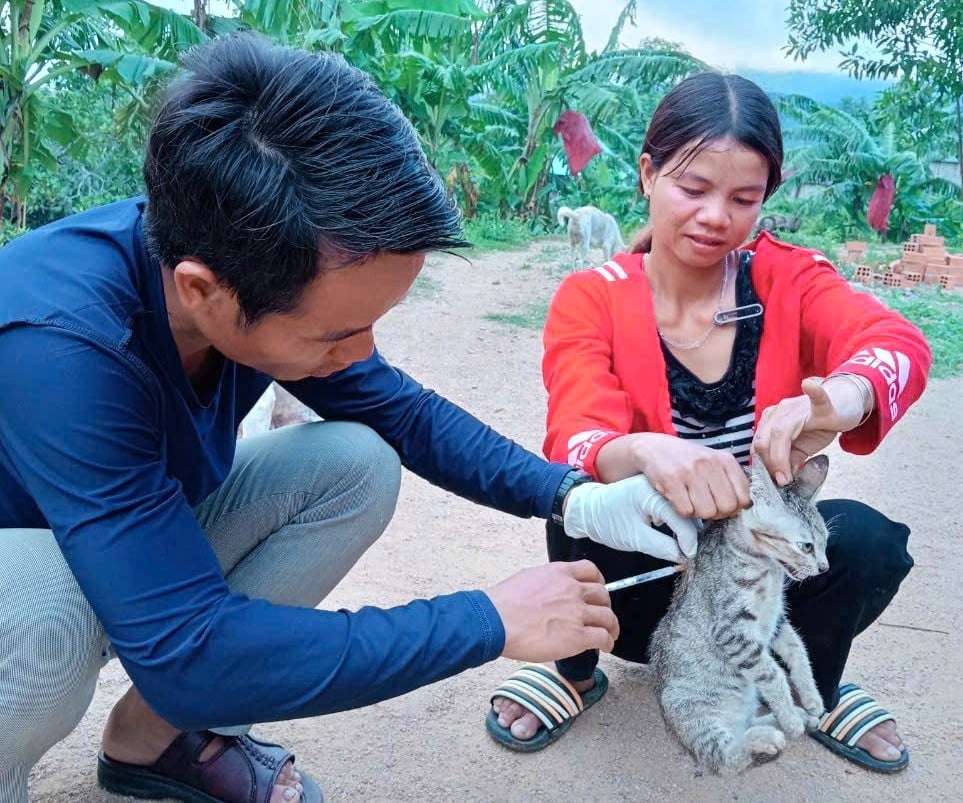
A dedicated grassroots veterinary workforce will make disease prevention and control efforts across the livestock sector more effective. Photo: Tuan Anh.
Farmers noted that the presence of a grassroots veterinary workforce not only improves disease prevention and control but also gives residents faster access to early warning information, vaccination guidance, and biosecurity measures.
Huynh Ngoc Diep, Director of the Gia Lai Sub-department of Animal Production and Health, said the resolution provides for 273 veterinary workers to be deployed across 132 communes and wards with active livestock operations, with up to three workers per locality depending on herd size, local characteristics, and practical needs. Personnel must hold at least a vocational secondary qualification in veterinary medicine, animal husbandry, aquatic animal pathology, or aquaculture, with a lower threshold of basic vocational certification applied to mountainous communes, ethnic minority areas, and border localities.
"Consolidating the grassroots veterinary network not only improves the capacity to monitor, detect early, and promptly address livestock diseases, but also strengthens state management effectiveness in the areas of animal husbandry, slaughter control, and food safety," Diep said, adding that total implementation costs are estimated at more than 19.1 billion dong (approximately USD 743,000) per year from the provincial budget.
Translated by Linh Linh

(VAN) Two Da Nang cooperatives were honored with the ‘Cooperative Star’ award for 2026, affirming the effectiveness of a dynamic, adaptable, and sustainably developing collective economic model.

(VAN) Policy credit has empowered many households in Hoa Vang commune to boldly invest in production, build effective economic models, and boost their income.

(VAN) Recently, the Lao Ministry of Agriculture and Environment delegation visited, worked, and signed a pact with the Vietnam Academy of Agricultural Sciences.

(VAN) Da Nang steps up free rabies vaccination in mountainous communes, delivering vaccines directly to villages to build an immunity shield.

(VAN) Native honeybee farming in Ha Tinh grew strongly, providing stable incomes and promoting sustainable rural economic development.
/2026/07/20/3847-3-113606_381.jpg)
(VAN) The global spread of the SAT-1 FMD virus strain underscores the need for Viet Nam to proactively enhance surveillance and develop response scenarios well in advance.

(VAN) Agricultural by-products are being recognized as resources that can generate new economic value, reduce emissions, and create new opportunities for green growth in circular agriculture.
