June 4, 2026 | 14:28 GMT +7
Hotline: 0913.378.918

June 4, 2026 | 14:28 GMT +7
Hotline: 0913.378.918
Dak Nong currently has 79 livestock and poultry slaughtering facilities. There are 16 concentrated slaughtering facilities, and the rest are small-scale slaughterhouses. Among the province’s eight districts and cities, only Cu Jut district does not have concentrated livestock and poultry slaughterhouses and points. However, these facilities are still small and fragmented, thus deemed insufficient to meet the needs of the people.
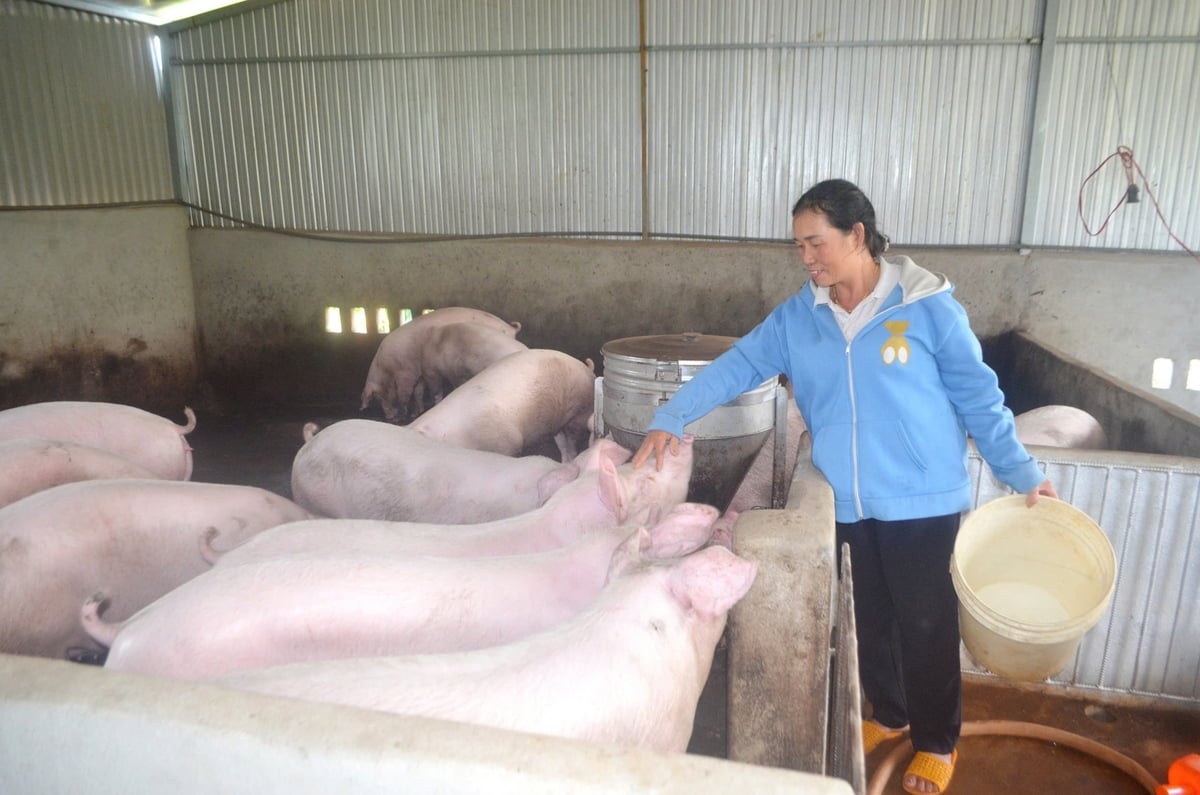
Dak Nong's concentrated slaughterhouses are still not enough to meet people's needs. Photo: PC.
Small-scale slaughterhouses are often associated with local self-consumption habits, making it challenging for the functional force to consistently manage output quality and comply with regulations in the livestock production sector.
At some facilities, most of the items used in slaughtering work have deteriorated. The owners of the slaughterhouses do not prioritize investing in upgrades and repairs in a timely manner. Although they have been inspected, reminded, and sanctioned numerous times, they remain slow to resolve these issues.
In contrast to the province’s wide area, the veterinary services are scarce, and local authorities have not paid due attention to management and supervision, mainly assigning the responsibility to the grassroots veterinary force, so the management and control of slaughtering facilities face ample difficulties.
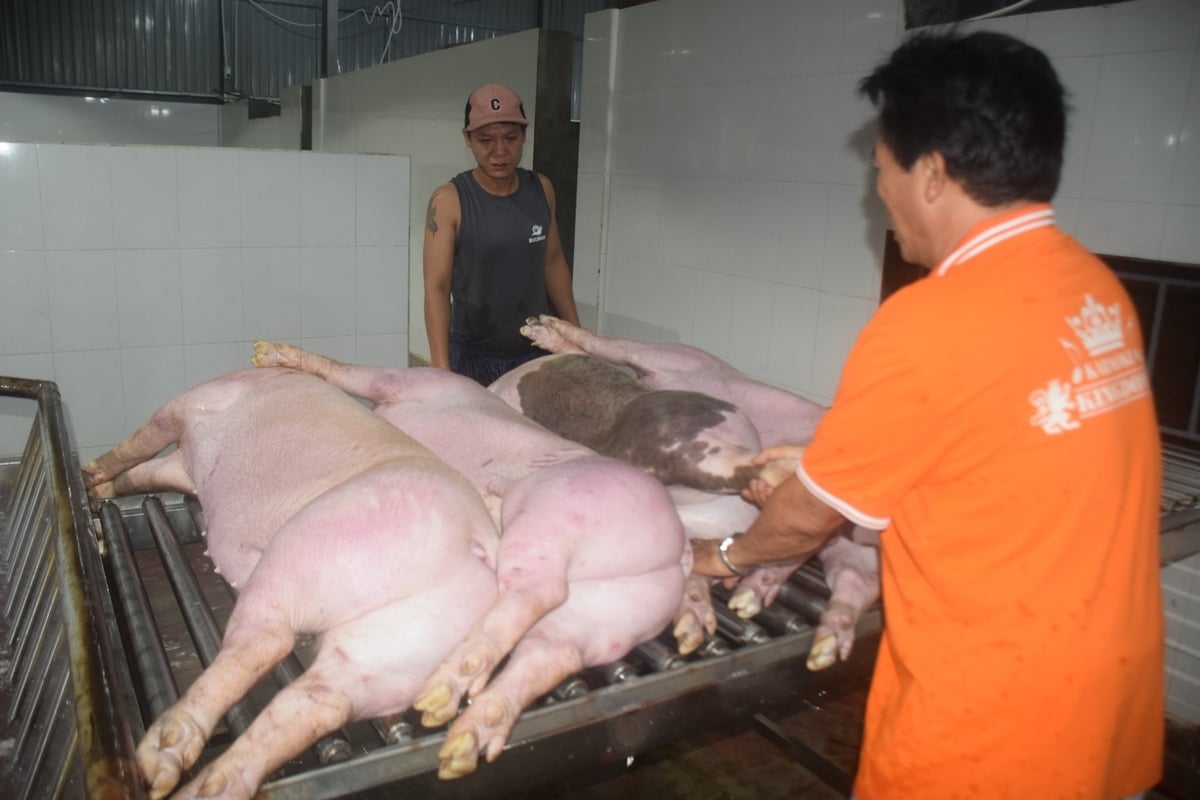
Dak Nong struggles to call for business investment in building concentrated slaughterhouses. Photo: PC.
Information from Dak Nong Department of Agriculture and Environment shows that in recent years the province has called on units to participate in building concentrated slaughterhouses. Concentrated livestock and poultry slaughterhouses require large capital investments, especially in waste and wastewater treatment. The capital recovery time is slow, and frequent repairs and upgrades are compulsory, so the risks are high; businesses, therefore, usually show hesitation to invest in this field.
Even when enterprises operate in accordance with policies and plans, local authorities have not yet developed effective solutions to control small-scale slaughterhouses, resulting in unfair competition. This leads to difficulties in attracting investment for the development of concentrated slaughterhouses.
According to Nguyen Viet Vui, Head of Dak Nong Sub- Department of Agricultural Development, the Central and local governments have also issued many support policies related to investment and construction of concentrated animal slaughterhouses, such as policies on taxes, fees, and charges, policies on exemption and reduction of land use fees, land rent, land use tax, policies to support investment, credit, land, and many more.
To attract businesses and organizations to participate in this field, it is necessary to improve investment support, perfect the legal framework and synchronize preferential policies. Regulations must remain consistent nationwide, with clear guidance from the central government and consistent criteria for support, incentives, and application conditions.
Enterprises can receive information on how to fully utilize preferential policies through communication, seminars, and coordination with industry associations. At the same time, information on planning, land funds, slaughter areas, and investment incentives needs to be transparent and public so that investors can easily access and make decisions.
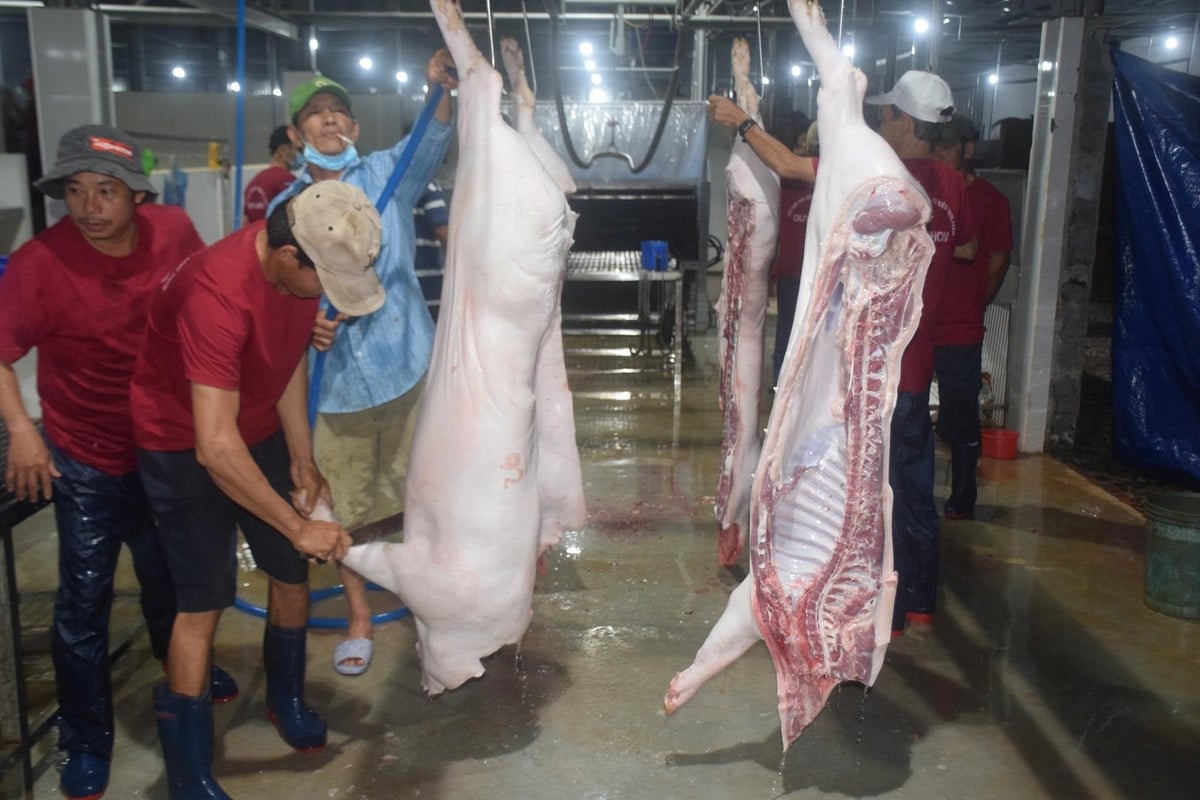
Dak Nong has issued many support policies related to the investment and construction of concentrated animal slaughterhouses. Photo: PC.
“We need to prioritize investment in infrastructure and synchronous land funds with a prime focus on transportation, water supply, and drainage systems, along with waste treatment in planning areas, creating a favorable foundation for production and business,” said Vui.
Another approach is to promote value chain linkages, establish stable consumption contracts between slaughterhouses and livestock farmers, and encourage businesses to invest in the entire value chain to enhance efficiency and mitigate the risk of supply disruptions.
The veterinary force should strengthen monitoring and evaluation, as well as control small-scale establishments, to manage the slaughter industry effectively and sustainably. It is essential to issue strict regulations on food hygiene and waste management, and provide financial and technical support to facilitate the transition to a concentrated model, ensuring compliance with industry standards. Local authorities can establish an independent inspection team to evaluate policies and strictly enforce compliance with commitments, ensuring transparency and strengthening the trust of businesses.
“To attract organizations, individuals and businesses to invest in the field of concentrated animal slaughter, it is crucial to amend some contents in Decree No. 57/2018/ND-CP dated April 17, 2018, in the direction of supporting types of slaughter licensed by the government and providing support immediately upon investment,” said Nguyen Viet Vui.
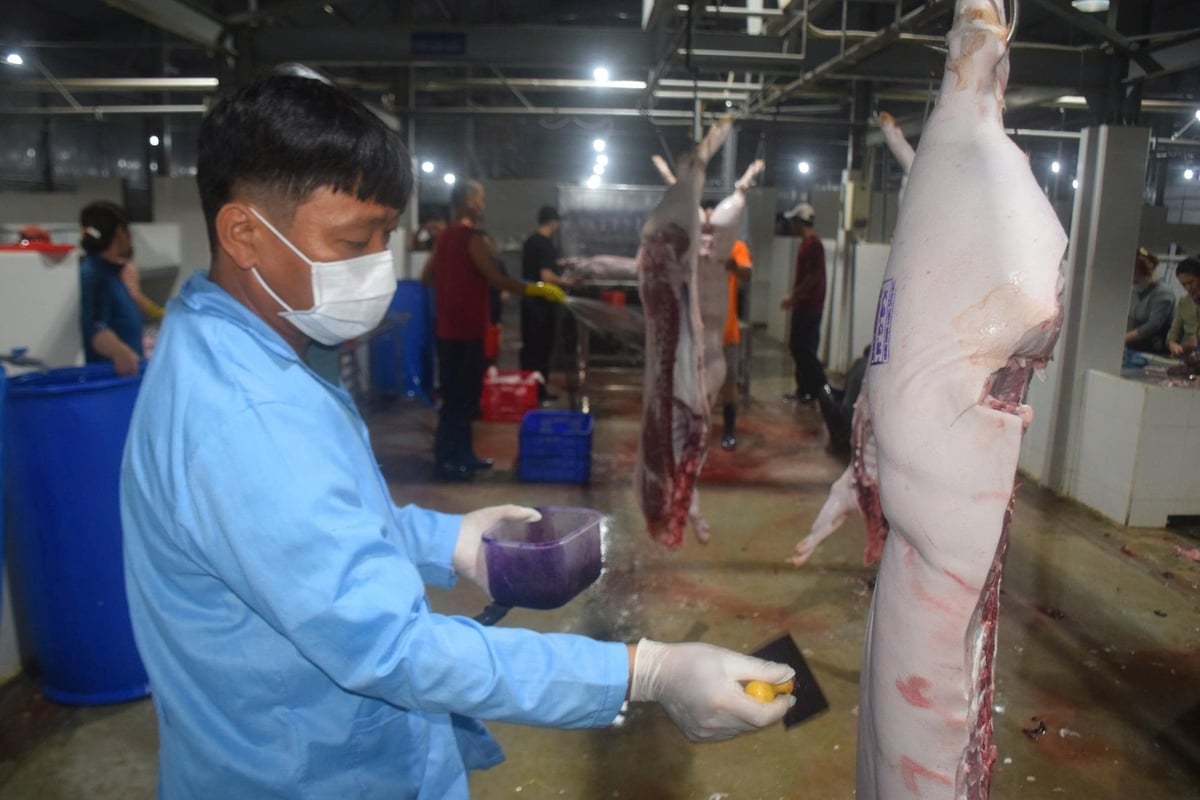
It is necessary to promote value chain linkages between slaughterhouses and livestock farmers to improve investment efficiency. Photo: PC.
A recent report from the agency implementing slaughter control in Gia Nghia city shows that in 2024 and the first 5 months of 2025, the number of slaughters under control are as follows: 13,226 buffaloes and cows; 181,749 pigs; 166,466 poultry (chickens, ducks).
On average, 350 pigs, 25 buffaloes and cows, and 320 poultry are slaughtered every day, accounting for approximately 60%, 80%, and 30% of the total number of animals slaughtered and supplied to the market every day respectively.
Translated by Samuel Pham

(VAN) During four-year tenure, Ambassador Nicolai Prytz bridged bilateral cooperation, promoted dialogue and green cooperation implementation between two countries.

(VAN) Can Tho city has officially kicked off the technical assistance component of the Climate-Resilient Green Urban Development Project in Nga Bay.

(VAN) An estimated 25,000 people in Vietnam, Laos, Indonesia and the Philippines will join the 'Act for a Green Planet' campaign to mark World Environment Day.

(VAN) Preparations for the art night 'Viet Nam's Seas – A Journey of Green Space' are being carried out urgently in Cua Lo, Nghe An, despite the scorching weather conditions.

(VAN) Dak Lak farmers are strengthening environmental protection and climate adaptation through improving awareness, innovation, and green farming models.

(VAN) Dak Lak has been proposed as the first locality in Viet Nam to pilot a project addressing climate change-related loss and damage.

(VAN) Viet Nam presents advantages for developing agricultural tourism including low costs, diverse climate conditions, landscapes, and a tropical agricultural system.
