September 4, 2025 | 07:23 GMT +7
Hotline: 0913.378.918

September 4, 2025 | 07:23 GMT +7
Hotline: 0913.378.918
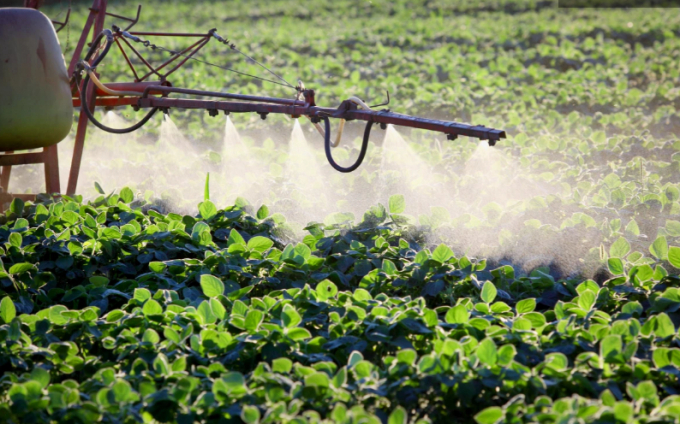
A new study is the first to detect the pesticide chlorpyrifos inhibiting metabolic processes in brown fat cells. Photo: Simazoran
New research published in Nature Communications has found a common pesticide may promote obesity by slowing the calorie-burning ability of certain fat cells. The animal study indicates chlorpyrifos, set to be banned in the United States from next year, promotes food intake and suppresses thermogenesis in brown fat.
Following years of lengthy court battles, the Environmental Protection Agency (EPA) very recently announced a ban on agricultural uses of a pesticide called chlorpyrifos. Coming into effect in early 2022, the ban arrives 20 years after residential uses of the chemical were prohibited due to growing evidence of low birthweight and neurodevelopmental impairment in children.
This latest study began by looking at the effects of several dozen common pesticides and herbicides on brown fat cells in mice. Gregory Steinberg, senior author on the new study, says brown fat is triggered to burn calories when we eat and when we are cold.
“Brown fat is the metabolic furnace in our body, burning calories, unlike normal fat that is used to store them,” says Steinberg. “This generates heat and prevents calories from being deposited on our bodies as normal white fat. We know brown fat is activated during cold and when we eat.”
The main finding in the new study was that chlorpyrifos suppresses the caloric-burning functions of brown fat in mice. This exacerbated the development of insulin resistance and obesity in the animals.
However, the most novel part of the new research was its exploration of these metabolic outcomes in relation to the temperature the animals were housed in. Generally, mice are housed in standard human room-temperature conditions of 21–23 °C (69–73 °F). The researchers claim this actually puts the mice under a small degree of cold stress, which can elevate the animals' base metabolic rate and mask any impact of diet-induced thermogenesis.
Previous rodent studies have found a link between chlorpyrifos and obesity when the animals are exposed to levels of the chemical that generally mimic real-life toxicity levels in humans (around 2.0 mg/kg body weight). This new research validated those prior findings but then also discovered much lower concentrations of the chemical cause metabolic disruptions when the mice are housed in warmer conditions.
The researchers indicate that when mice are housed in warmer temperatures of around 29–30 °C (84–86 °F) they are less likely to suffer the cold stresses that can disrupt natural metabolic rates. And in the case of this novel study, the researchers found significantly lower levels of chlorpyrifos exposure triggered these brown fat metabolic disruptions when the animals were housed in warmer thermoneutral environments.
In thermoneutral environments, as little as 0.5 mg/kg body weight of chlorpyrifos triggered weight gain and insulin resistance. But these metabolic abnormalities were not detected when the animals were in a more traditional room-temperature environment.
The researchers claim this study is the first to test the influence of an environmental toxicant on rodents in warmer thermoneutral environments. It is hypothesized that this temperature range for housing lab mice more effectively models the development of metabolic diseases in humans.
Steinberg is cautious to note these new findings have not yet been replicated in humans but he does point out the small exposure levels could hypothetically lead to minimal, but meaningful, reductions in brown fat calorie burning. Just disrupting the burning of 40 calories per day in brown fat could translate to nearly 5 lb (2.3 kg) of weight gain a year in humans.
The EPA has set a six month deadline for stopping all food agriculture uses of chlorpyrifos in the United States. Non-food uses will also be reviewed in 2022.
(Newatlas.com)

(VAN) The new Syrian government has imposed restrictions on imports of frozen chicken, effective 15 August 2025.
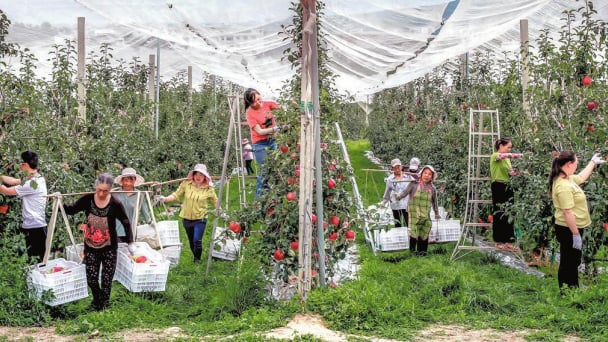
(VAN) The aroma emanating from ducks being spun slowly on charcoal-fired swivel roasters fills the air, drawing people into narrow alleys in search of the source of the familiar, mouthwatering odor.
(VAN) In southwest of New Orleans, Linard Lyons spent the morning on his 19-foot boat, preparing crab traps for his grandchildren just like he had done thousands of times before.

(VAN) Interview with Máximo Torero on key takeaways from SOFI 2025 report.

(VAN) Researchers have discovered that replacing 50g/kg maize with a 50:50 mix of pineapple and orange peels could offer poultry producers a sustainable feed option.

(VAN) Global rice markets are bracing for turbulence after reports that India, the world’s largest rice exporter, is preparing to release around 20 million tonnes of stockpiled rice in September.

(VAN) FAO, UNICEF, WFP and WHO reiterate call for immediate ceasefire and unhindered humanitarian access to curb deaths from hunger and malnutrition.
