August 18, 2025 | 11:18 GMT +7
Hotline: 0913.378.918

August 18, 2025 | 11:18 GMT +7
Hotline: 0913.378.918
Although the United Arab Emirates (UAE) does not have a large population, it is still considered one of the most promising markets for Vietnamese agricultural products, thanks to its high income levels, strong import demand, and strategic role as a gateway hub to other Middle Eastern countries.
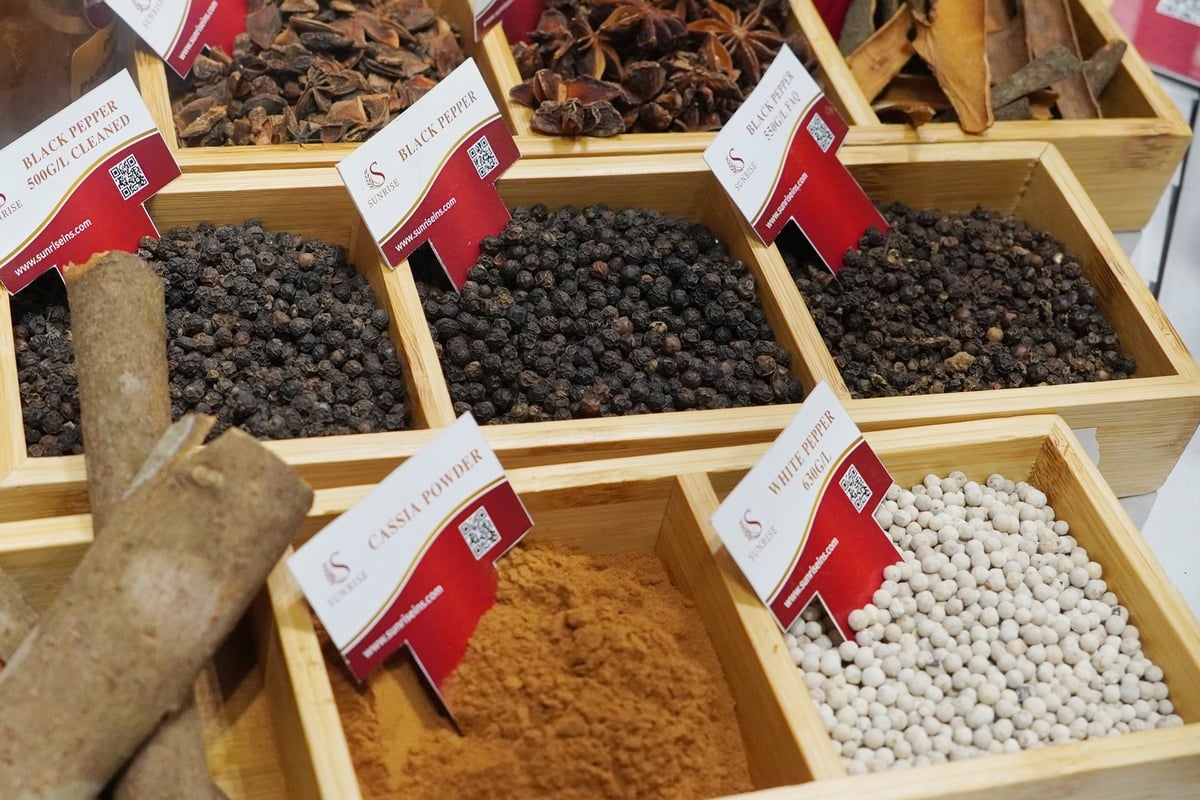
In the first six months of 2025, the UAE imported around 7,700 tons of Vietnamese pepper. Photo: Nguyen Thuy.
Mr. Truong Xuan Trung, First Secretary and Head of the Vietnam Trade Office in the UAE and Qatar, said that the UAE has a population of about 12.5 million people, with its total GDP in 2024 reaching 484.7 billion USD and a per capita income of nearly 50,000 USD per year.
This is considered a high-purchasing-power market, particularly because the country’s economic structure has no real advantage in agriculture (which contributes only 0.9% of GDP). As a result, the UAE is almost entirely dependent on imported supplies, especially in the categories of agricultural, forestry and fishery products, wood, and processed foods.
The UAE is also an economy with fairly open trade policies. Most imported goods are subject to tariffs ranging only from 0–5%. Among these, many Vietnamese agricultural products such as fresh vegetables and fruits, rice, and tropical fruits are granted a 0% tariff, while seafood, cashew nuts, and pepper are subject to a 5% tariff.
In addition, the UAE is a member of the Gulf Cooperation Council (GCC), with a unified customs system. This means that once goods are cleared for entry into the UAE, they can also easily access other markets such as Saudi Arabia, Qatar, Kuwait, Oman, and Bahrain without incurring additional tariffs.
The total bilateral trade turnover between Vietnam and the UAE in 2024 reached 6.5 billion USD, representing a 38% increase compared to the previous year. In the first seven months of 2025, Vietnam’s exports to the UAE reached nearly 3.4 billion USD, up slightly by 0.27% compared to the same period. Specifically, agricultural exports alone reached 232.2 million USD, a notable increase of 17.31%.
Among these, several major Vietnamese agricultural products exported to the UAE recorded significant growth: cashew nuts reached more than 95 million USD (up 34.64%); fruits and vegetables exceeded 69.4 million USD (up 55.3%); seafood achieved 31 million USD (up 20.8%); and wood and wood products stood at 20.2 million USD (up 26.6%).
However, the proportion of Vietnam’s agricultural, forestry, and fishery products in the UAE’s total annual agricultural import value (around 200 billion USD) remains relatively small. This indicates that there is still considerable room for expansion for Vietnamese agricultural exports.
"Although the UAE is a relatively open market, it still maintains very strict regulations, particularly in the field of food and beverages," Mr. Trung further noted. Because the UAE and other GCC member countries share a common customs system, if one shipment is found to violate regulations such as exceeding permissible chemical residue limits, then all similar shipments from Vietnam are subject to strict inspection across all member states.
In 2023, Vietnam received warnings regarding two agricultural shipments that exceeded pesticide residue limits. This incident resulted in all similar shipments from Vietnam being subject to rigorous inspection throughout the entire GCC region, causing significant impacts on the country’s reputation and export performance.
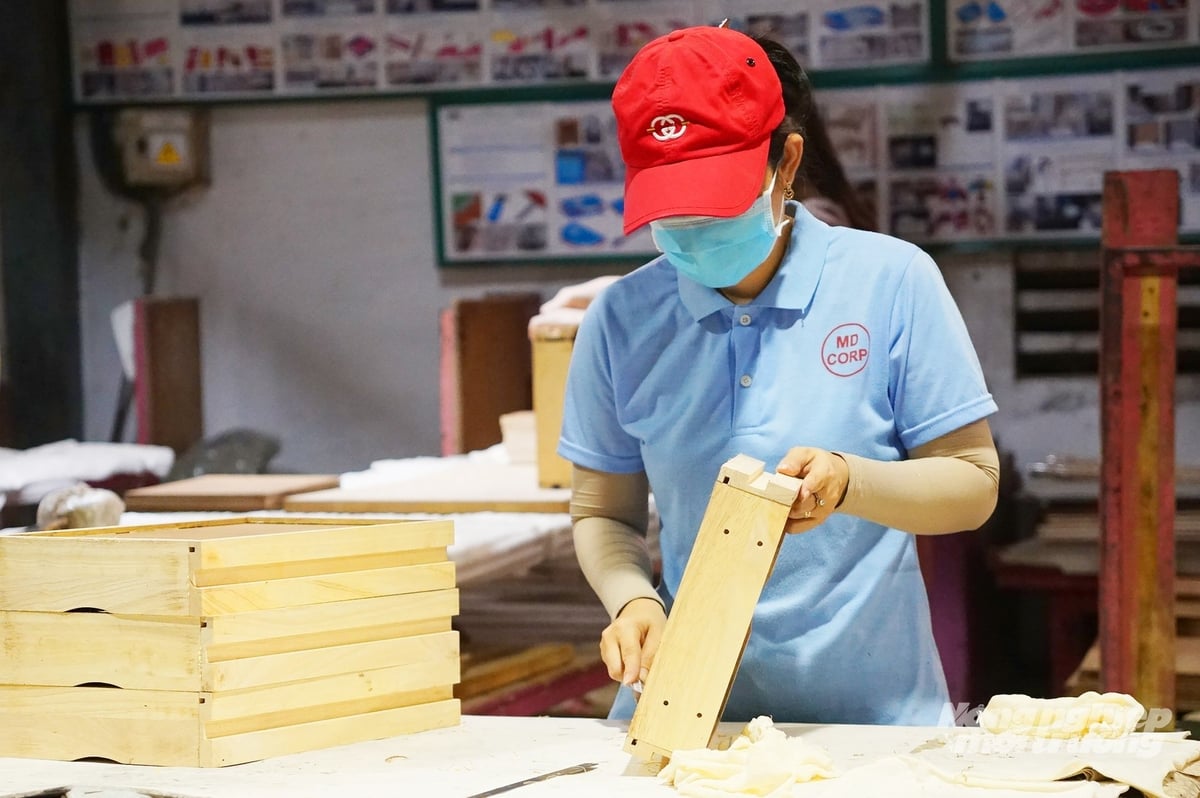
Vietnamese wood and wood products have substantial opportunities to further increase their market share in the UAE as well as in other GCC countries. Photo: Nguyen Thuy.
To take better advantage of the UAE market as well as the wider Middle East region, Mr. Trung recommended that Vietnamese enterprises should proactively familiarize themselves with the market’s regulations, ranging from Halal certification and labeling requirements to food safety standards.
He emphasized the need to invest in quality control, particularly with regard to chemical and pesticide residues, in order to avoid warnings or import bans. In addition, companies should study Islamic culture and business practices, as this will help them adapt products to local consumer preferences and lifestyles. Attention should also be paid to packaging, design, and brand building so as to strengthen product visibility and competitiveness against goods from other countries.
Equally important, businesses should negotiate secure payment terms when signing commercial contracts to minimize transaction risks.
The UAE is not only a large consumer market with high growth potential, but also a golden gateway for Vietnamese agricultural products to expand across the entire Middle East region. However, to fully leverage this advantage, Vietnamese enterprises must shift their mindset, enhance their capabilities, and strictly comply with all requirements relating to quality and standards.
According to Mr. Ngo Hong Phong, General Director of the National Authority for Agro-Forestry-Fishery Quality, Processing and Market Development under the Ministry of Agriculture and Environment, in the coming period the Ministry will continue to promote the export of key products that have competitive advantages and are currently experiencing strong growth in the UAE market. These include pepper, wood and wood products, cashew nuts, rice, seafood, as well as fresh fruits and vegetables.
Translated by Kieu Chi
(VAN) After a steep decline in the first half of the year, Vietnam’s fruit and vegetable exports are getting back into the race and may reach USD 8 billion.
(VAN) China remains a promising market for Vietnamese agricultural products. However, its technical requirements are increasingly stringent, and competition is fierce, requiring businesses to proactively adapt.
/2025/08/16/0039-0-nongnghiep-080034.jpg)
(VAN) In addition to maintaining and developing the U.S. market, Vietnam's wood industry is accelerating exports to other potential markets through participation in international trade fairs.
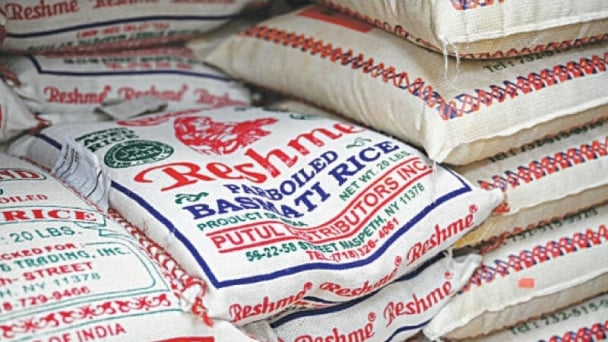
(VAN) The 50% tariff imposed by the Trump administration on Indian goods has reshaped trade flows in the United States, providing Pakistan an opportunity to expand its share in the American aromatic rice market.
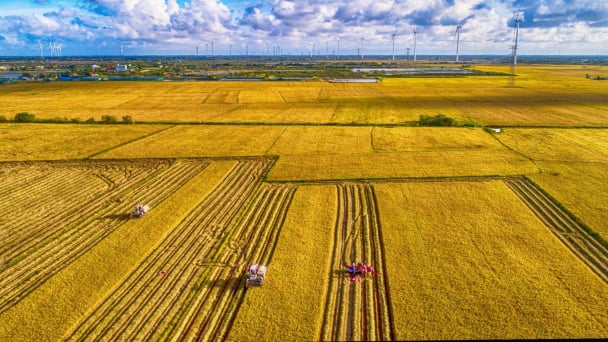
(VAN) However, to maintain its position, Vietnam’s rice industry still needs to address existing bottlenecks, meet increasingly stringent quality standards, and develop strategies to diversify its markets.
(VAN) Although Vietnamese agricultural products have grown strongly in recent years, they still account for only 2% of the market share in the EU.