June 3, 2026 | 17:08 GMT +7
Hotline: 0913.378.918

June 3, 2026 | 17:08 GMT +7
Hotline: 0913.378.918
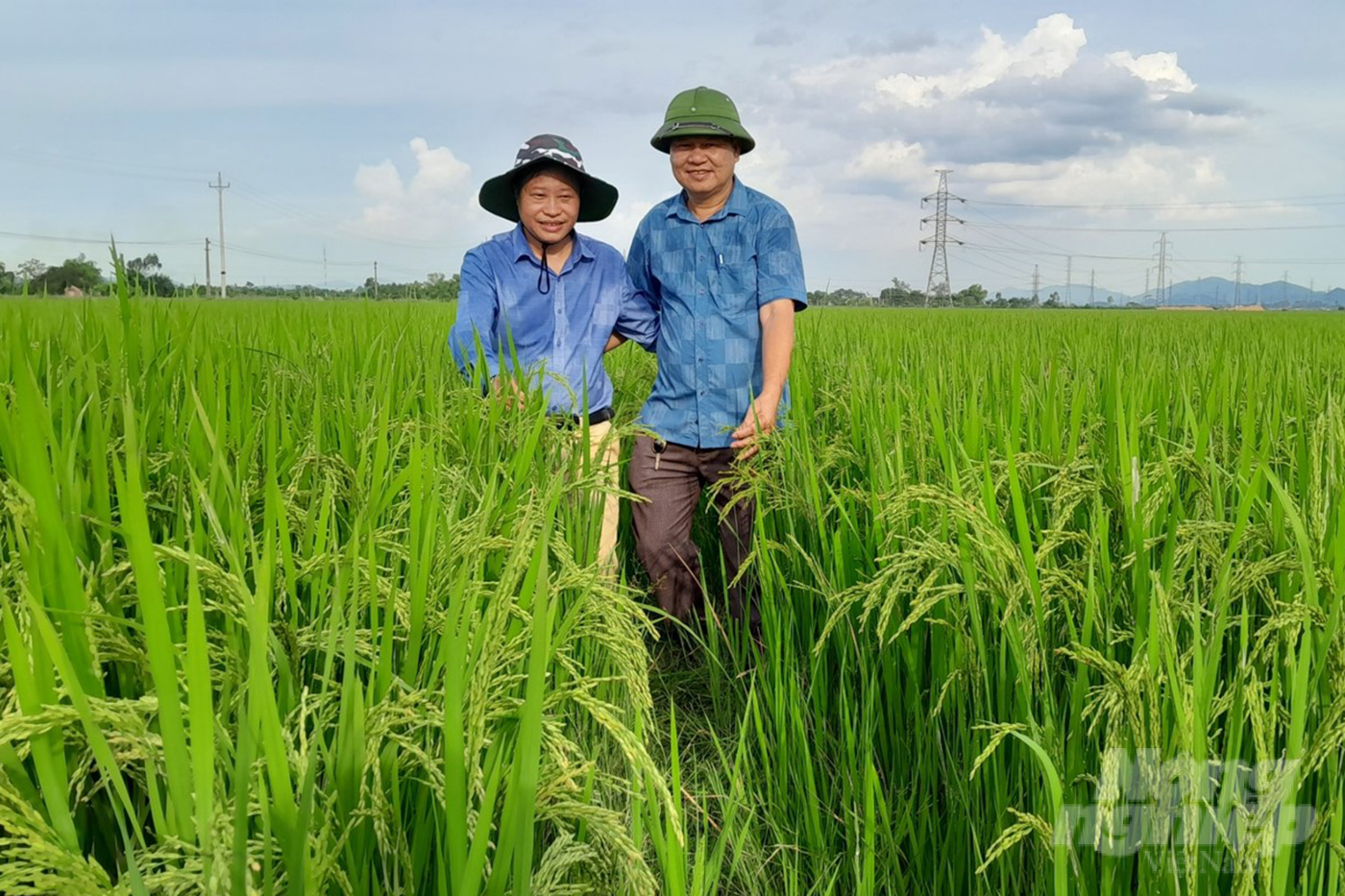
PAN organic fertilizer shows clear effectiveness in fields in Nghe An. Photo: Quoc Toan.
The Department of Agriculture and Rural Development of Nghe An province conducted a workshop on September 6 to evaluate the efficacy of organic fertilizer PAN using nano canxi silica technology on rice and tea. As soon as it was introduced, this product from Dang Quang Nano Industry Joint Stock Company won the trust of farmers across the nation due to its outstanding features.
PAN is a line of new-generation fertilizers made from organic materials such as husk ash, fish protein, natural kylin, kali humate, and pulverized lime. Particularly, PAN organic fertilizer contains two essential intermediate nutrients, calcium and silicon, extracted using nanotechnology to help plants develop robust roots, increase photosynthesis, enhance resistance, and improve pesticide- and disease-resistant.
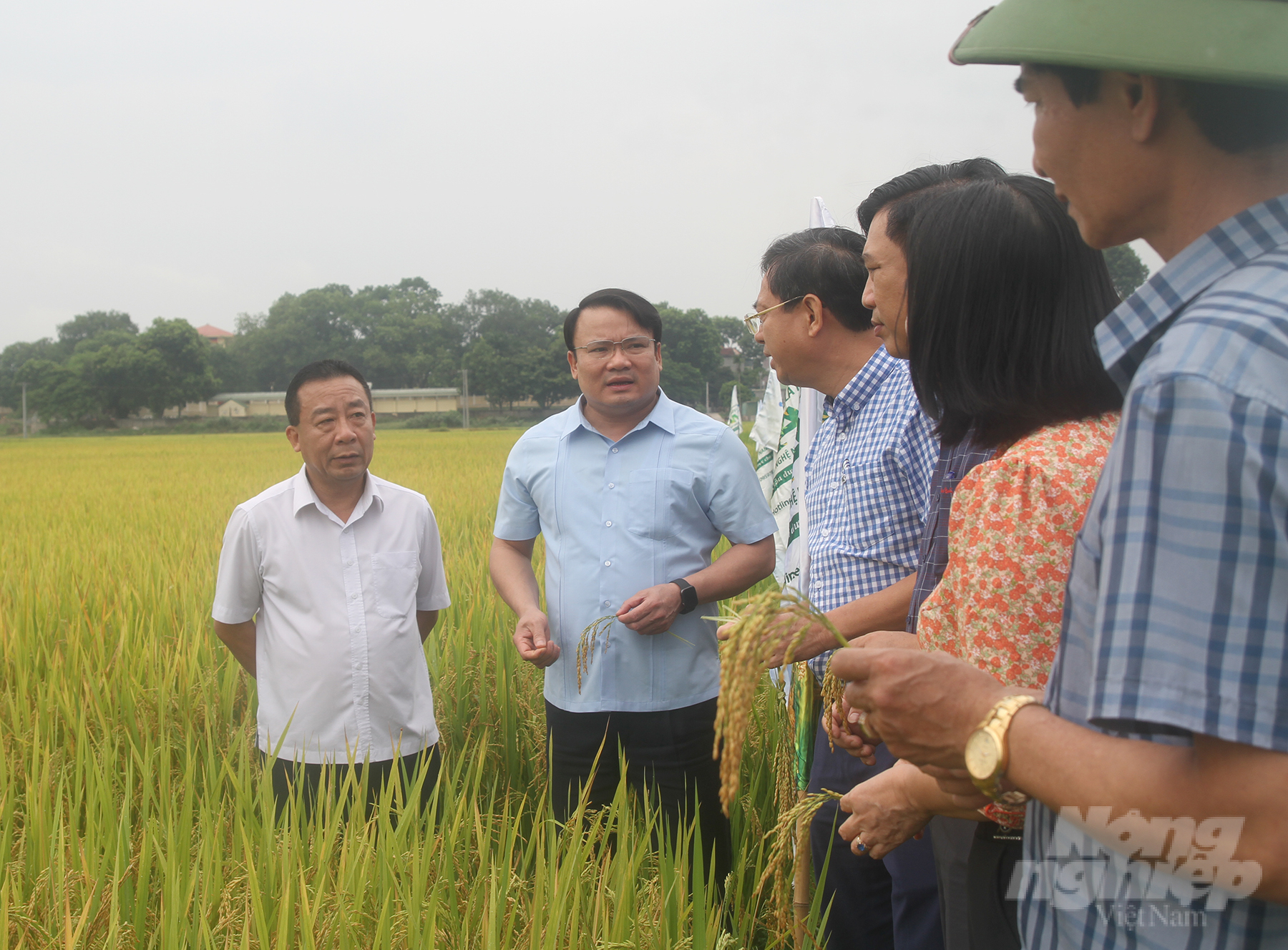
PAN organic fertilizer initially showed good results in the fields. Photo: Quoc Toan.
To determine the efficacy of PAN organic fertilizer on Nghe An fields during the summer-autumn crop of 2023, the Do Luong District Agricultural Service Center collaborated with the Dang Quang Nano Industry Joint Stock Company to implement a fertilizer use model. On September 15, 40 hectares of PAN organic fertilizer for rice harvests will be reaped in the Dong Ke area of Lac Son commune (Do Luong district).
PAN organic fertilizer has many outstanding properties, but maximizing effectiveness requires stringent compliance with the instruction process, so participating in the model, households are meticulously guided on the farming process, and fertilizing. The results of the model indicate that administering PAN organic fertilizer reduces the quantity of inorganic fertilizer by up to 30% and also reduces the number of times pesticides are applied.
Monitoring of a number of control areas reveals that when fertilizing heavily with nitrogen, the density of small leaf rollers and desiccated sheaths is significantly greater than in the model utilizing PAN fertilizer, particularly during the period when rice is in the field and frequently exposed to the cloudy with excessive humidity.
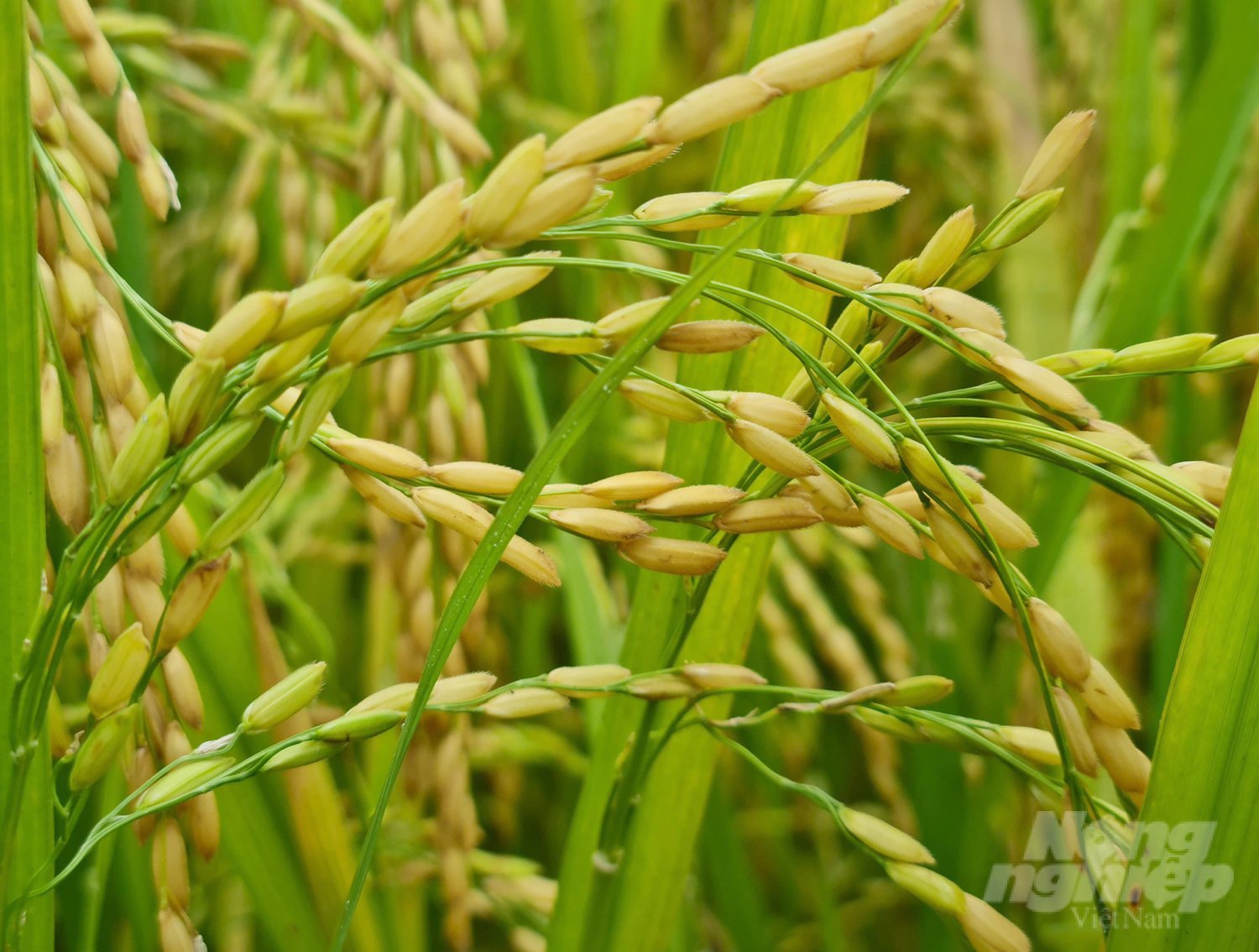
Using PAN organic fertilizer helps rice grow hard, giving strong, healthy seeds. Photo: Viet Khanh.
According to the Do Luong District Agricultural Service Center, the use of PAN organic fertilizer increases rice plants' resistance to pests and diseases and their ability to withstand external conditions. The model predicts an average rice yield of 80 kilograms per hectare, total revenue of 39 million Vietnamese Dong per hectare, a profit of approximately one-third of total revenue, 6.6 million VND per hectare more than conventional agricultural practices. Based on the aforementioned positive outcomes, the Do Luong District Agricultural Service Center has requested that the Provincial People's Committee and the Do Luong District People's Committee implement supporting mechanisms and policies to expand the use of PAN organic fertilizer in the near future.
Not only is PAN organic fertilizer effective for rice but also for tea plants in Nghe An. Specifically, 3/2 Agricultural Industrial Joint Stock Company in Minh Hop commune (Quy Hop district) utilized PAN organic fertilizer to test three consecutive crops of tea, and the results were quite satisfactory. The yield of the first crop is 19.2% greater than the control formula, at 2,325kg/ha. The Company is currently preparing to extract the second crop. The results are comparable to the initial sample, demonstrating that PAN organic fertilizer has a stable influence on tea plants.
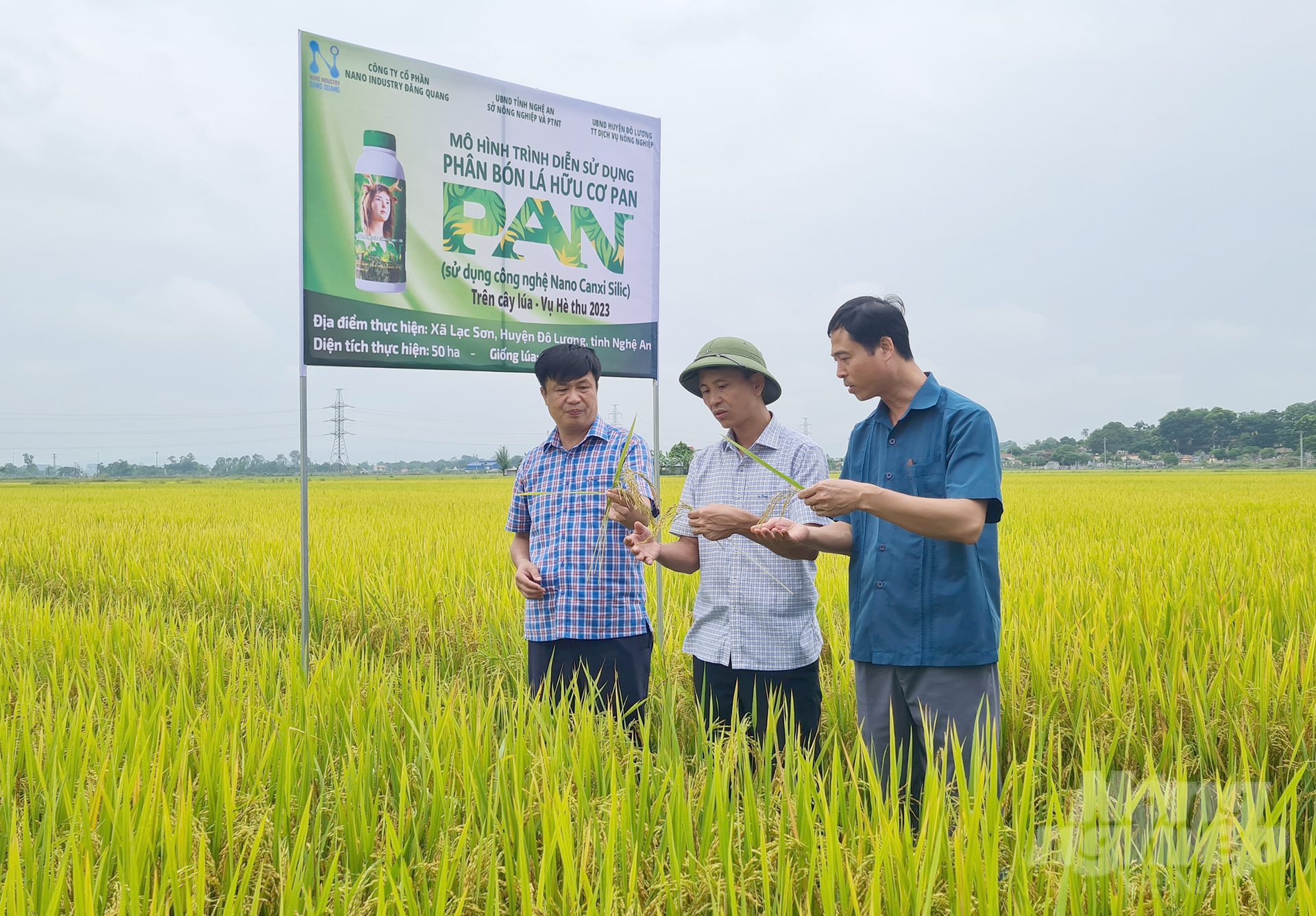
The model of using PAN organic fertilizer initially brought positive results. Photo: Viet Khanh.
Mr. Nguyen Van De, Vice Chairman of the Provincial People's Committee of Nghe An, requested that localities implementing the model implement management earnestly, monitor developments, collect data, and create detailed statistics for precise evaluation of the efficacy of organic fertilizers of the next generation PAN. Mr. De requested that Dang Quang Nano Industry Joint Stock Company work closely with the Nghe An Department of Agriculture and Rural Development and associated entities to continue research, which would serve as a foundation for future production replication.
Produced using nanotechnology, PAN organic fertilizer only requires a modest dose to attain high efficiency. In fact, 1 liter of PAN fertilizer can be sprinkled through the foliage, or watered at the roots on an area of 1 - 1.5 hectares. Not only does PAN organic fertilizer increase crop yield, but it also enhances the quality of agricultural products, imparts a delectable flavor, and extends post-harvest storage time. This product has excellent solubility, is suitable for high-tech cultivation, and fulfills the objective of constructing a pure, sustainable ecosystem.
Translated by Linh Linh
/2026/06/02/4947-3-223411_779.jpg)
(VAN) Protecting forests not only preserves natural resources but also helps safeguard water sources, living environments, and the foundation for long-term sustainable development.

(VAN) Jackfruit prices remain low despite the recent increase as exports to China struggle. Dong Nai is tightening quality control to restore the market.

(VAN) Mekong Delta farmland is degrading due to chemical abuse. Restoring soil with organic and microbial fertilizers while reducing chemicals is now urgent.
/2026/06/01/1824-2-211343_500.jpg)
(VAN) Quang Ngai province is implementing many measures to protect sargassum resources, contributing to restoring aquatic resources, preserving biodiversity, and creating sustainable livelihoods.

(VAN) Farmers in Phu Thuan Commune, Da Nang preserve healthy soil and maintain chemical-free farming seasons, producing clean sesame and bean export products.

(VAN) Alongside his lush golden melon ready for harvest, Nguyen Van Truong from Ha Tinh province is eager to collect another 4,000 Hami melon plants.

(VAN) Summer-autumn crop season is peaking with effectively new weed, pest control to help reduce production costs and improve yields.
