June 2, 2026 | 21:28 GMT +7
Hotline: 0913.378.918

June 2, 2026 | 21:28 GMT +7
Hotline: 0913.378.918
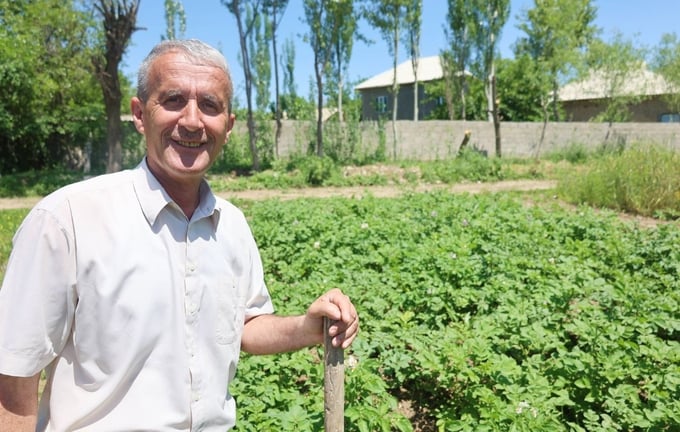
Hasan Qayumov is a small-scale farmer in Kulob, Khatlon province. Photo: UNDP Tajikistan.
Tajikistani farmers are actively implementing a digital, transformative approach to managing irrigation water payments, replacing the outdated and inefficient cash-based system. The new billing system offers a more secure, transparent, and organized method, significantly enhancing the lives and productivity of farmers. Hasan from Kulob is one such farmer whose life has been transformed thanks to the UNDP’s "Improvement of Water Resources Management in Khatlon Region Project," funded by the Islamic Development Bank.
Cultivating hectares of cotton, wheat, and vegetables – Hasan and his family have been farming for over a decade. Despite their extensive experience, they have consistently faced numerous challenges in sustaining their farm. Managing irrigation water efficiently was a constant battle: the old system was fraught with issues: in-kind payments, loss of data, abundant documentation, and lack of transparency. Cash payment for irrigation water was among other challenges.
Reflecting on these struggles, Hasan shares, “The old system was cumbersome. We didn’t know who had paid what, and sometimes payments would go missing. This led to a lot of stress and wasted time.”
In 2022, the “Improvement of Water Resources Management in Khatlon Region Project” introduced a groundbreaking billing system for irrigation water payments, bringing a wave of positive changes to Hasan’s farm. The new system allowed farmers to pay the water fee by using e-wallets from their smartphones or via local ATMs in their jamoats, which reduced the burden of transportation costs for farmers.
The shift to non-cash payments has resolved previous financial irregularities, ensuring transparent and secure transactions. Clear documentation practices have eliminated disputes over land boundaries, while precise debt tracking has made managing financial obligations straightforward. Consistent and accurate recording of crop types and reliable measurements of cultivated land have streamlined farming operations.
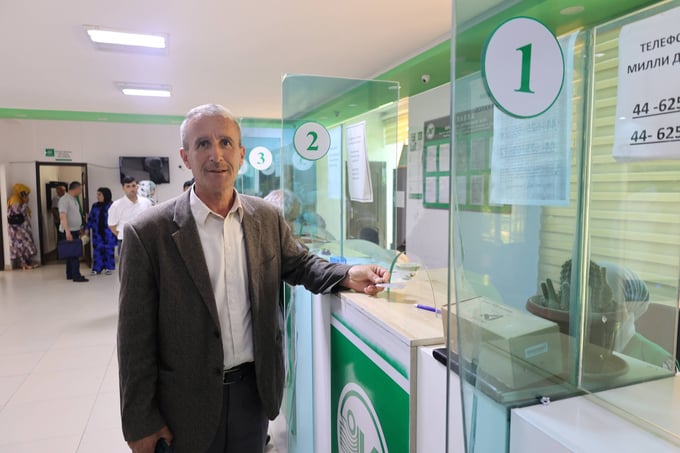
Hasan at a local bank to get his bank statement. Photo: UNDP Tajikistan.
Additionally, the accessibility of complete payment records has provided Hasan with a clear overview of his financial status, reducing stress and improving efficiency.
These improvements have not only enhanced productivity but also fostered a sense of security and stability in Hasan’s agricultural endeavors.
“Since the new billing system was introduced, managing my farm has become much easier. I can see exactly what I owe and when, and I no longer worry about financial procedures, traveling to make payments, etc. It’s all very clear and straightforward now,” the farmer says.
By integrating farmers, Water User Associations, District Land Reclamation, and Irrigation Departments, the Agency for Land Reclamation and Irrigation under the Government of the Republic of Tajikistan, the Ministry of Finance of the Republic of Tajikistan, and the State Savings Bank of the Republic of Tajikistan “Amonatbonk," the billing system considerably improved the collection of fees for irrigation, that resulted in the improvement of water resources management.
The roll-out of the billing system is aligned with the Decree of the President of the Republic of Tajikistan dated June 22, 2023 No. 586 “On measures to expand non-cash payments,” based on which all public services must be paid in a non-cash way.
“Improvement of Water Resources Management in Khatlon Region Project” provided computer equipment and water measuring tools to 35 Water User Associations and District Land Reclamation and Irrigation Departments in Danghara, Vose, Farkhor, Hamadoni, Temurmalik, Khovaling, Muminobod, and Kulob.
Furthermore, the project conducted irrigation network censuses and prepared service area maps for these districts. This initiative significantly enhanced the capacity and documentation procedures of local institutions, ensuring transparency and efficiency in financial transactions and water supply management.
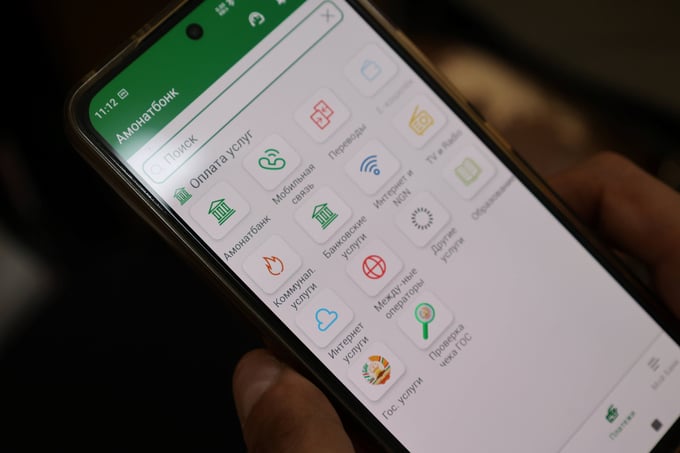
Hasan pays his irrigation water bill online. Photo: UNDP Tajikistan.
“I am so grateful for this change,” he says. “The new system has not only made my work easier but also more profitable. I can now focus on growing better crops and expanding my farm without worrying about water management issues,” concludes Hasan whose life has seen a significant improvement alongside 12,000 other farmers in Khatlon region.
More than 50 percent of farms in Tajikistan are led and managed by women, largely due to the high rate of labor migration among men. Consequently, women have become the primary leaders and decision-makers in the agricultural sector, demonstrating their significant role and contribution to the rural economy.
This is a testament to the profound impact that structured, transparent water management can have on the lives of rural farmers, fostering resilience and prosperity in the face of climate change.
Translated by Hoa Lay On

(VAN) Earth’s oceans are rising faster than ever, and scientists say the forces driving it are now impossible to ignore.

(VAN) City in Hubei province turns humble street snack into full-blown culinary industry with ecological farming model and unique flavors.

(VAN) The U.S. rice market is in jeopardy as farmers continue to face high input costs and low commodity prices. This is putting Midsouth infrastructure used to grow and mill the crop at risk.

(VAN) At World Nutrition Day 2026, FAO Director-General calls for effective collaboration to ensure that basic, nutritious, healthy, and functional foods reach those who need them most.

(VAN) The Dutch government is working on a plan to make avian influenza vaccination compulsory for all laying hen farms in the country. Trade barriers remain a major concern.

(VAN) QU Dongyu addresses Vatican-hosted high-level symposium: AI and the Future of Human Dignity.

(VAN) Research led by the UK’s The Pirbright Institute has identified specific mutations in the haemagglutinin (HA) protein of H5 avian influenza viruses that significantly influence how effectively poultry vaccines work.
