November 26, 2025 | 20:09 GMT +7
Hotline: 0913.378.918

November 26, 2025 | 20:09 GMT +7
Hotline: 0913.378.918
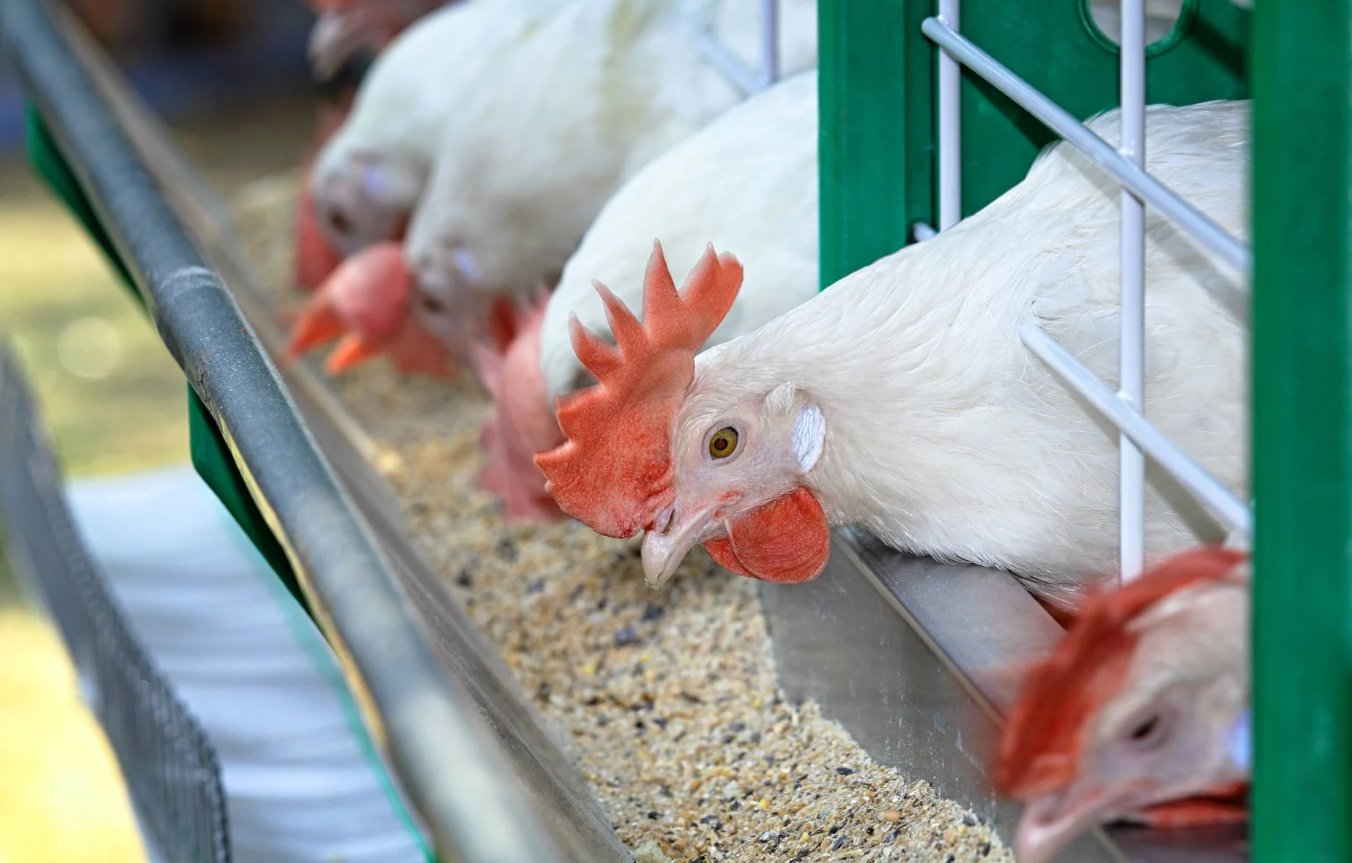
The lion’s share of poultry production costs are embedded in feed.
Researchers at Australia’s University of New England are attempting to address that by creating a chicken feed that could save the country’s poultry industry close to $500 million annually while also reducing planet-warming pollution by 5%.
The research, created in partnership with Food Recycle Ltd. and Poultry Hub Australia, examined the impacts of feeding 24- to 34-week-old laying hens a recycled diet made with discarded food scraps from breweries, nursing homes, and other community organizations.
The food was processed and turned into powdered chicken feed using Food Recycle Limited’s technology. The researchers found that the new feed did not impact the laying quality of the eggs or the chickens’ health and well-being.
The lion’s share of poultry production costs are embedded in feed. An article published about the research by Phys.org claims that 65% of poultry production costs come from feed in Australia. Meanwhile, unrelated food waste in the country’s landfills continues to pile up and release planet-warming methane into the atmosphere.
Diverting much of that food waste, which would otherwise go to the landfills, cuts the amount of money spent and emissions produced by feed companies while also reducing the food circulating through the waste stream.
“Recycling food waste into poultry feed will help farmers to save on feed costs, generate significant improvements in feed efficiency, reduce the environmental impact of poultry production, and assist the Australian poultry industry to meet the growing demand for more sustainable and low-carbon poultry production,” reported researcher Thi Hiep Dao.
The partnership estimates that waste-based feed will become globally available in more than 20 countries. Chief executive officer of Food Recycle Ltd., Norm Boyle, shared the news: “We anticipate that within five years, recycled food waste feed will be the go-to solution globally for the poultry, pig, and aquaculture industries.”
Chicken feed made of food waste could slash costs and emissions
New research from Australia's University of New England (UNE) has revealed using food waste to create commercial chicken feed would not only save the Australian poultry industry an estimated $500 million a year, but it could reduce the country's total greenhouse gas emissions by at least five%.
In collaboration with Food Recycle Ltd. and Poultry Hub Australia, a team of UNE researchers, led by Postdoctoral Research Fellows Dr. Amy Moss and Dr. Thi Hiep Dao, studied the impacts of feeding hens a waste-based diet using discarded food scraps from businesses such as breweries, hospitals, nursing homes, and hospitality venues. Their paper is published in the journal Scientific Reports.
Using a patented production process owned by Food Recycle Ltd., the waste was converted to a granular powder that was suitable to be fed to poultry. After rigorous testing, the researchers found that egg quality remained high and did not impact the health or welfare of the animals.
Dr. Dao said a switch to waste-based chicken feed at a commercial level could have several positive impacts for both the environment and the hip pocket.
"The increasing cost of commodities, such as soybean meal, paired with the increasing demand for low-carbon poultry products, has put immense pressure on the poultry industry to explore alternative feed ingredients," she said.
"Recycling food waste into poultry feed will help farmers to save on feed costs, generate significant improvements in feed efficiency, reduce the environmental impact of poultry production and assist the Australian poultry industry to meet the growing demand for more sustainable and low-carbon poultry production."
In Australia, about 65% of poultry production costs are spent on feed, while it's estimated that 7.3 million tons of food ends up in landfill each year. Diverting this waste into a cheap and sustainable feed option is expected to lower greenhouse gas emissions created from producing eggs and chicken meat by 76% and 25% respectively. Financially, the low cost of commercial waste, paired with the fact that it can be sourced locally, would have the potential to slash feed costs by half.
Because of these benefits, it is hoped that the patented technology used to produce waste-based feed will be adopted widely within the next five years.
Chief Executive Officer of Food Recycle Ltd., Norm Boyle, said there are big plans on the horizon.
"Food Recycle Ltd. has appointed OzHarvest Ventures as the Australian & New Zealand Technology Licensee to exploit the patented and patent-pending technology, and they are currently raising $20 million in capital to build the first production facility for Australia to be located in Sydney."
"Meanwhile, Food Recycle International Ltd. is working in more than 20 countries to introduce the technology globally. We anticipate that within five years, recycled food waste feed will be the go-to solution globally for the poultry, pig and aquaculture industries."
(phys)

(VAN) A new study reveals how the simultaneous effects of ocean acidification, salinity and loss of oxygen are making the world more fragile.

(VAN) Hopes are growing that the creation of the first 3D turkey gut model could be a turning point in the battle against the virulent blackhead disease.

(VAN) Tyson, America’s biggest meat supplier, plans to shutter one of its largest beef processing plants as the industry continues to struggle with low cattle supplies and political pressure from Washington.

(VAN) New FAO study shows how digital solutions are empowering farmers and fishers to prevent losses and build resilient agrifood systems.

(VAN) Brazil's COP30 presidency pushed through a compromise climate deal on Saturday that would boost finance for poor nations coping with global warming but that omitted any mention of the fossil fuels driving it.

(VAN) Poultry farmers in the UK have been warned that they could face one of the worst winters yet for bird flu.

(VAN) Prices of main-crop paddy have risen sharply, with jasmine rice hitting 16,100 baht per tonne — the highest level in years.
