December 6, 2025 | 11:24 GMT +7
Hotline: 0913.378.918

December 6, 2025 | 11:24 GMT +7
Hotline: 0913.378.918
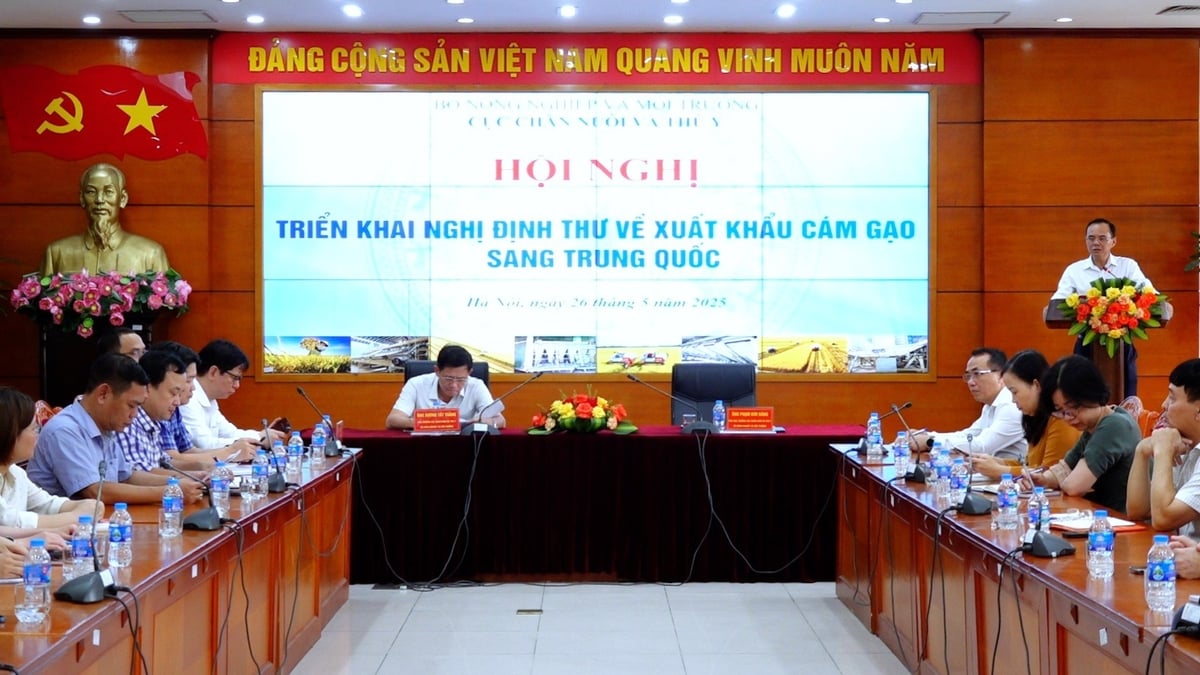
The Department of Livestock Production and Animal Health (Ministry of Agriculture and Environment) has recently held a conference to implement the Protocol on rice bran export to China. Photo: Thanh Thuy.
Each year, Vietnam imports a substantial volume of raw materials for the livestock sector, with an estimated import value of USD 7-8 billion. Therefore, the strategic development orientation for the livestock industry in the coming years focuses on gradually reducing reliance on imports while promoting the export of livestock products with competitive advantages.
Currently, in addition to serving domestic needs, Vietnamese rice bran products have great potential for export - particularly to the Chinese market, where demand for livestock feed ingredients remains both high and stable.
On April 15, 2025, during the official visit to Vietnam by Chinese General Secretary and President Xi Jinping, the two countries signed a Protocol on safety and quarantine requirements for rice bran and defatted rice bran intended as feed ingredients for export from Vietnam to China.
According to Mr. Pham Kim Dang, Deputy Director of the Departments of Livestock Production and Animal Health (Ministry of Agriculture and Environment), the signing of the Protocol not only opens opportunities for the official export of rice bran and defatted rice bran as animal feed but also affirms Vietnam's position in the global agricultural supply chain, contributing to increasing the value of agricultural by-products.
“However, to access and develop sustainably in the Chinese market, Vietnam’s exported rice bran and defatted rice bran must meet very strict standards as stipulated in the Protocol,” Mr. Dang emphasized.

According to Mr. Pham Kim Dang, the signing of the protocol affirms Vietnam's position in the global agricultural supply chain. Photo: Thanh Thuy.
Accordingly, the products must be free from harmful organisms such as Salmonella bacteria, molds, or genetically modified components that have not been approved. At the same time, the entire process of production, processing, and transportation must comply with China’s national food hygiene and safety standards.
Each export shipment is required to be accompanied by a phytosanitary certificate and a food safety hygiene declaration issued by competent authorities under the Ministry of Agriculture and Environment.
In addition, manufacturing and exporting enterprises must be inspected, evaluated, and introduced by the Departments of Livestock Production and Animal Health to the General Administration of Customs of China (GACC).
Enterprises are required to establish a quality management system in accordance with HACCP standards and implement a comprehensive traceability process to ensure transparency and food safety throughout the supply chain.
The export of rice bran and defatted rice bran not only brings economic benefits but also serves as a driving force for Vietnam’s agricultural sector to improve production quality, promote investment in processing technology, protect the environment, and optimize the value of rice by-products.
Each year, Honoroad Vietnam Rice Bran Processing Co., Ltd. exports approximately 150,000 tons of rice bran, with 100% of the volume consumed in the Chinese market.
In an interview with Vietnam Agriculture and Nature newspaper, Ms. Huynh Tuyet Nghi, the company’s Director, stated that practical experience shows Vietnamese enterprises are fully capable of meeting the stringent product quality requirements set by China within the framework of the Protocol.
However, Ms. Nghi also pointed out that the biggest challenge currently does not lie in the exported products themselves but in administrative procedures. Specifically, businesses are facing significant difficulties in timely accessing updated information about regulations and procedures between the two countries, especially as these requirements may frequently change and lack synchronization.
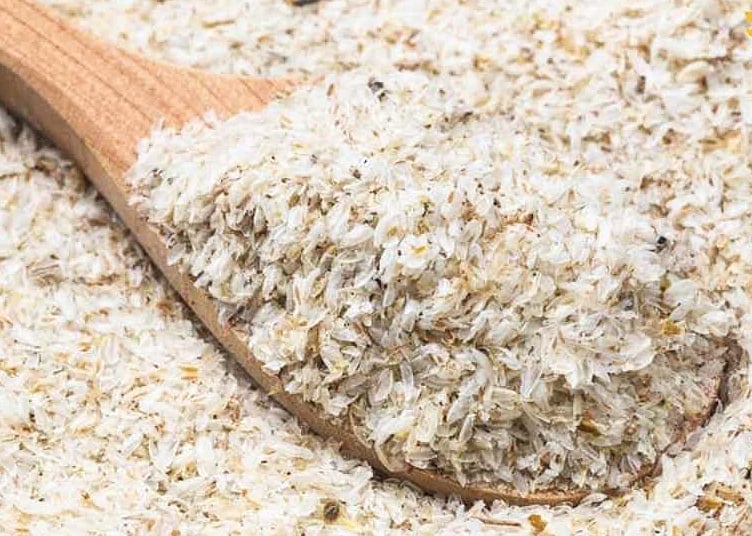
Vietnamese rice bran businesses are facing many challenges in accessing information. Photo: Pham Hieu.
Notably, a business representative noted that the time from completing packaging to the vessel arriving at a Chinese port is only about 3 to 4 days. This creates significant pressure, requiring companies to complete all export procedures and documentation within a very short time frame to avoid delays or customs clearance refusals.
“In the time ahead, to ensure smoother and more sustainable rice bran exports to China, businesses hope that the Departments of Livestock Production and Animal Health will continue to provide support and facilitation, especially by simplifying administrative procedures and shortening the processing time for export documentation. These are key factors that will help Vietnamese enterprises enhance their competitiveness and better capitalize on the potential of the Chinese market,” expressed Ms. Huynh Tuyet Nghi.
“The Departments of Livestock Production and Animal Health expect that enterprises will proactively update themselves on regulations, enhance self-monitoring of quality, and closely coordinate with relevant authorities to effectively access the Chinese market. This, in turn, will help elevate the position and competitiveness of Vietnam’s rice bran sector,” said Mr. Pham Kim Dang.
Translated by Phuong Linh

(VAN) Despite numerous challenges, Vietnam's key seafood products are maintaining strong momentum, setting the stage for full-year exports to potentially reach USD 11 billion.

(VAN) The signing of a protocol between Viet Nam and China on the export of fresh jackfruit represents a significant milestone in agricultural trade cooperation between the two countries.

(VAN) On November 27, the Ninh Binh Department of Agriculture and Environment and the Institute for Green Growth Research organized a training course on greenhouse gas inventory for businesses.

(VAN) China’s cooking oil is suddenly flooding into India. It all comes down to a soybean surplus that Beijing doesn’t quite know what to do with.

(VAN) An Giang promotes supply-demand connections, standardizes quality and builds value chains, creating a foundation for sustainable bird’s nest development and aiming to expand exports.
/2025/11/24/5339-4-nongnghiep-075331.jpg)
(VAN) Recently, the conference on 'Sustainable Fisheries Linkage Chain - Tilapia for Export' took place in Tien Hai commune, Hung Yen province.
/2025/11/21/4309-2-153400_128.jpg)
(VAN) Green and low-emission rice is paving the way for Vietnamese rice to enter high-end markets, marking the beginning of a transformation journey toward greening and elevating the national rice brand.
