June 4, 2026 | 16:13 GMT +7
Hotline: 0913.378.918

June 4, 2026 | 16:13 GMT +7
Hotline: 0913.378.918
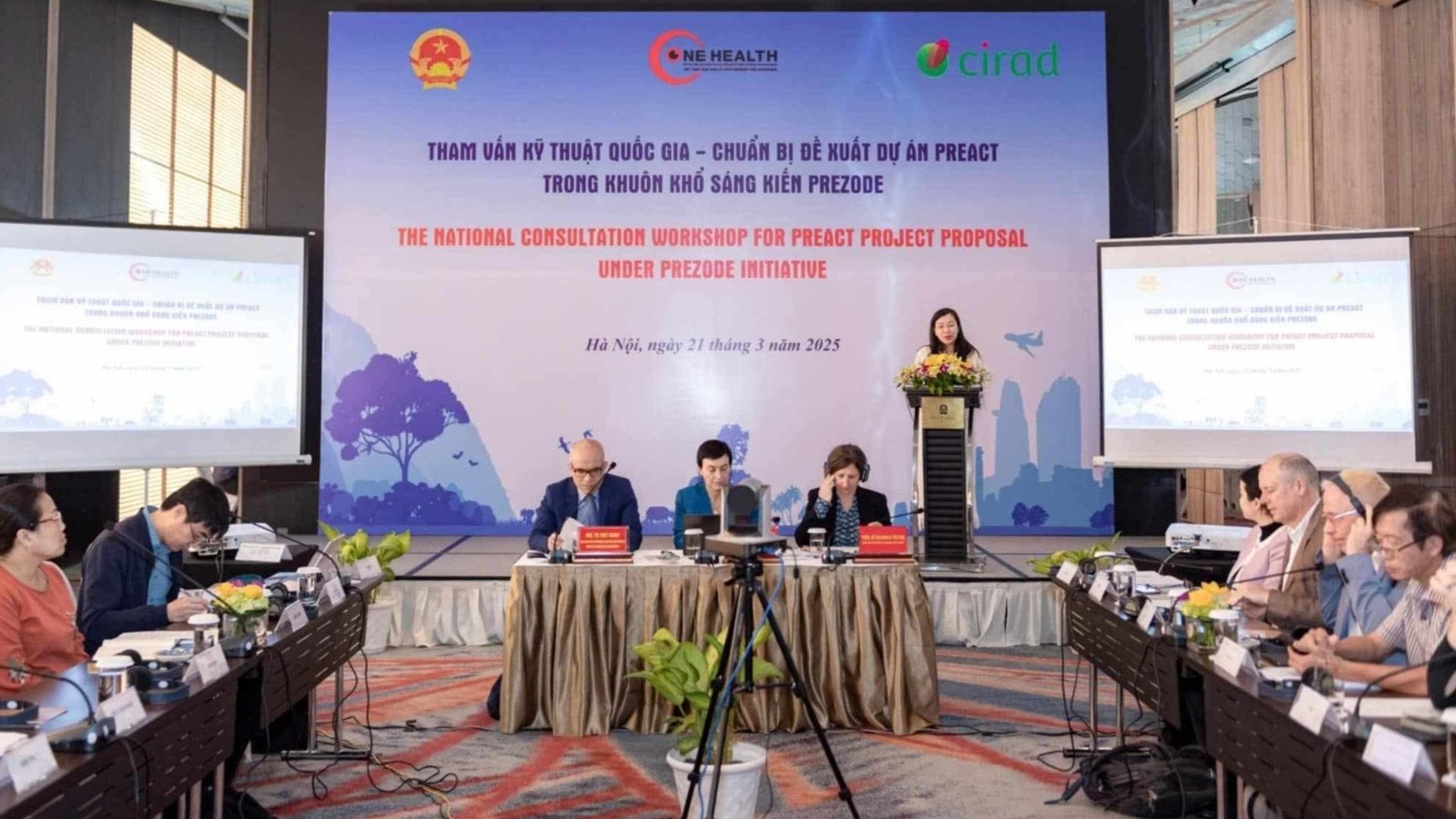
Consultation workshop on proposals for the PreAct (Prezode in Act) project within the framework of the Prezode Initiative. Photo: DL.
On the morning of March 21, the Department of International Cooperation (Ministry of Agriculture and Environment) in collaboration with the French Agricultural Research Centre for International Development (CIRAD) held a consultation workshop to propose the PreAct project ("Prezode in Action") under the PreZode Initiative—an initiative to prevent zoonotic disease outbreaks, funded by the French government through the French Development Agency (AFD).
Speaking at the event, Deputy Director of the International Cooperation Department, Mr. To Viet Chau, noted that the PreZode Initiative currently involves 29 member countries, focusing on research aimed at preventing the emergence of diseases transmitted from animals to humans. Vietnam’s Ministry of Agriculture and Environment (formerly the Ministry of Agriculture and Rural Development) officially joined the initiative in 2022.
In Vietnam, CIRAD has been an active member of the PreZode Initiative, closely collaborating with the Ministry of Agriculture and Environment through the Secretariat Office of the One Health Partnership for Zoonoses in preparing the PreAct proposal. The project, targeted at Southeast Asia and to be implemented in Vietnam from 2025 to 2028, aims to increase understanding of emerging zoonoses, identify and monitor risks through a bottom-up approach, strengthen cross-border risk management capacities, and enhance the operational effectiveness of local agencies.
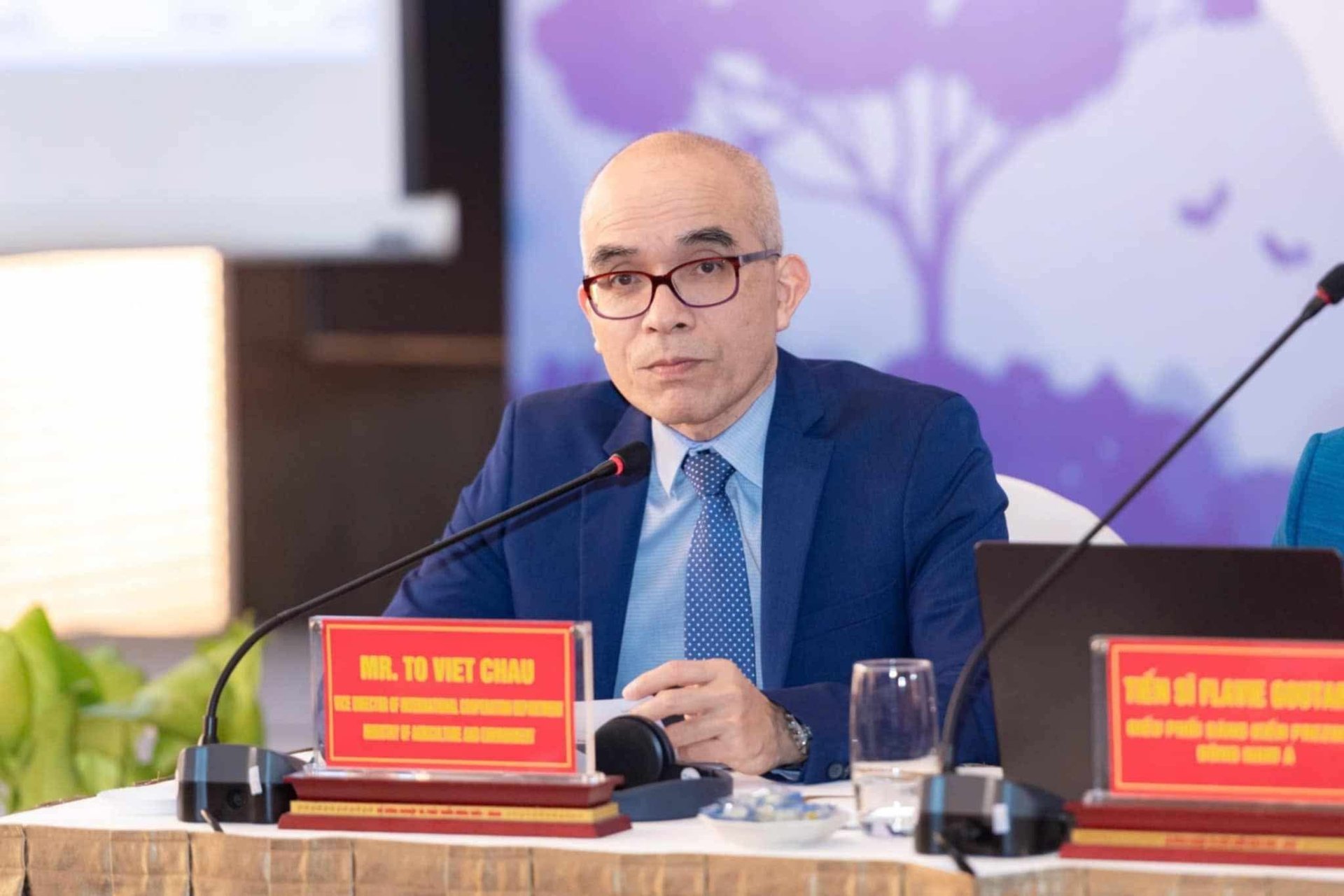
Deputy Director of the International Cooperation Department (Ministry of Agriculture and Environment) Mr. To Viet Chau. Photo: DL.
According to Mr. To Viet Chau, after nine months of preparation since the first consultation, key technical components have been submitted to AFD with a proposed total funding of over USD 1.6 million for both Vietnam and the Philippines. The project is expected to include four components: risk identification, risk reduction, community-based One Health surveillance, and capacity-building for One Health. The project is planned to be implemented in Tiền Giang and Thái Nguyên provinces. Representatives from the Departments of Agriculture and Environment of these provinces attended the consultation to directly present and propose needs related to livestock and disease control.
Through the PreAct project, the Ministry of Agriculture and Environment hopes it will create a long-term dialogue mechanism between science, policy, and society; foster cross-sectoral collaboration; ensure the application of the One Health approach in decision-making to optimize benefits; and provide research that demonstrates the interlinked benefits of health and economic development via One Health. The project also seeks to expedite decision-making by stakeholders, encourage private sector participation in green initiatives for the health of people, animals, and the environment, and raise awareness and change mindsets regarding the One Health approach.
Dr. Marisa Peyre, Deputy Head of the ASTRE research unit at CIRAD, emphasized that Vietnam is currently among the leading countries—not only in the region but globally—in institutionalizing and applying the One Health approach. In the face of rising threats from zoonotic infectious diseases, Vietnam has built a robust system of policies, strategies, and governance aligned with the Joint One Health Action Plan (JPA) developed by four international organizations: WHO, FAO, UNEP, and WOAH.
"We believe that the PreZode Initiative and the PreAct project will significantly contribute to these goals and beyond. Vietnam is not only pioneering the implementation of One Health but also has the potential to lead in demonstrating the added value of this approach through preventive measures to reduce pandemic risks," said Dr. Marisa Peyre.
Additionally, the consultation called for other international funding sources to support the PREACT initiative. For the time being, this phase of PREACT will be supported by AFD. The workshop also included discussions on mobilizing resources from the Pandemic Fund to implement One Health tasks in Vietnam and globally.
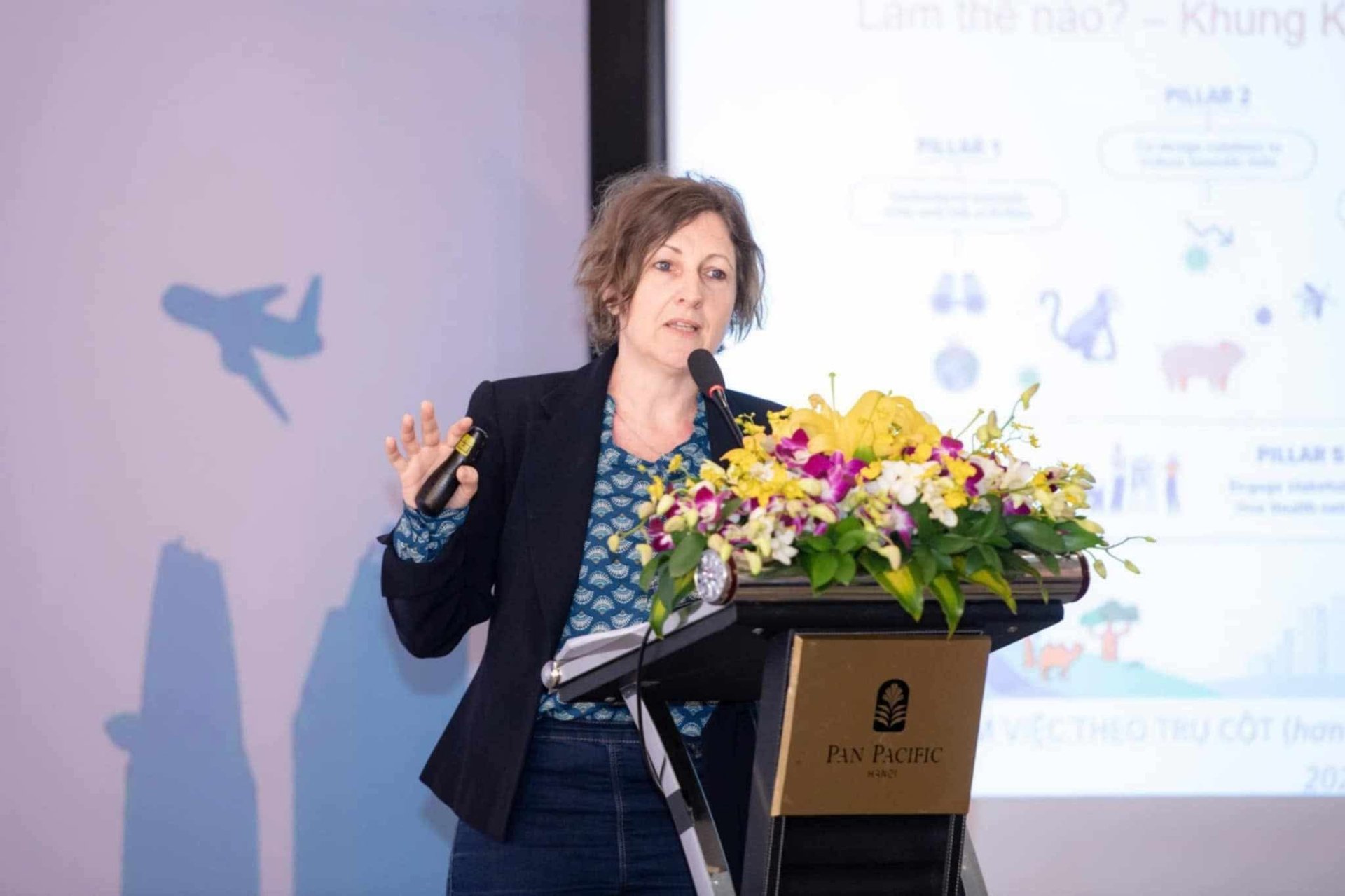
Dr. Marisa Peyre, Deputy Head of the ASTRE research unit at CIRAD. Photo: DL.
Mr. Nguyen Viet Hung, Head of the Health Program at the International Livestock Research Institute (ILRI Kenya), stated that Vietnam is recognized as one of the most active countries in advancing the One Health approach.
Although PreAct has received partial funding from the French government, expanding its operations in Vietnam, the Philippines, and other countries requires additional financial resources. The Pandemic Fund offers an opportunity to mobilize these resources, while also enhancing the visibility and impact of the PreZode Initiative at both national and regional levels—Vietnam being one of the first countries to sign on and play a pioneering role.
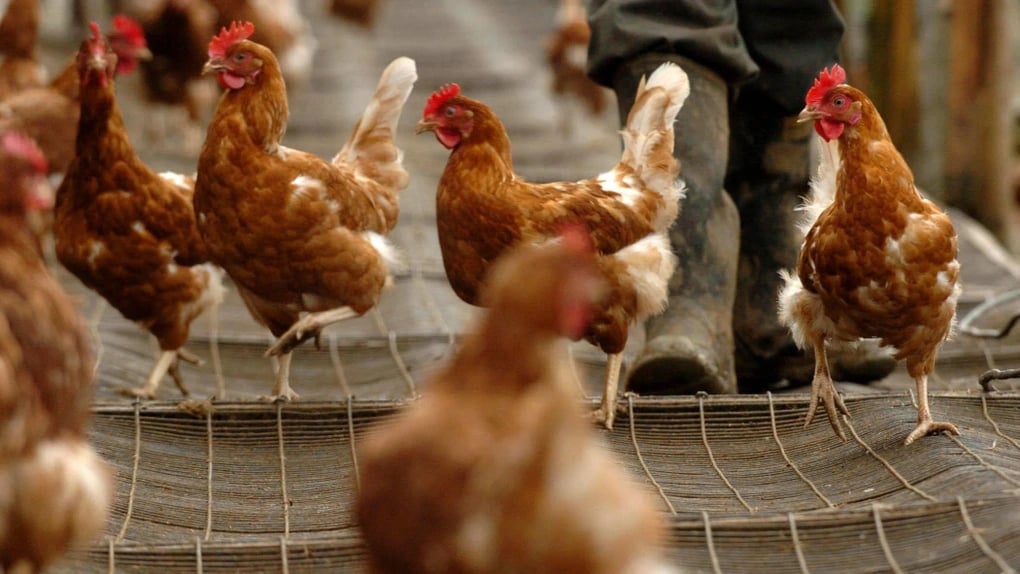
Vietnam is not only a pioneer in implementing the One Health approach, but also holds strong potential to lead in demonstrating the added value of this approach.
"We are honored to be in long-term collaboration with Vietnam on this new project under the PreZode Initiative, working together toward a future free from pandemics for all. I wish today’s consultation and workshop great success and that it meets everyone’s expectations."
Mr. Hung Nguyen also highlighted the importance of collaboration in advancing the initiative. The new science program of the CGIAR (former name is Consultative Group on International Agricultural Research) on Sustainable Animal and Aquatic Foods (SAAF), part of the CGIAR Research Portfolio 2025–2030, has prioritized Vietnam. The program’s six components include one specifically on One Health, focusing on priorities such as generating scientific evidence on risks like zoonoses, antimicrobial resistance, and foodborne diseases; co-designing intervention initiatives; and supporting the national implementation of One Health at both policy and field levels.
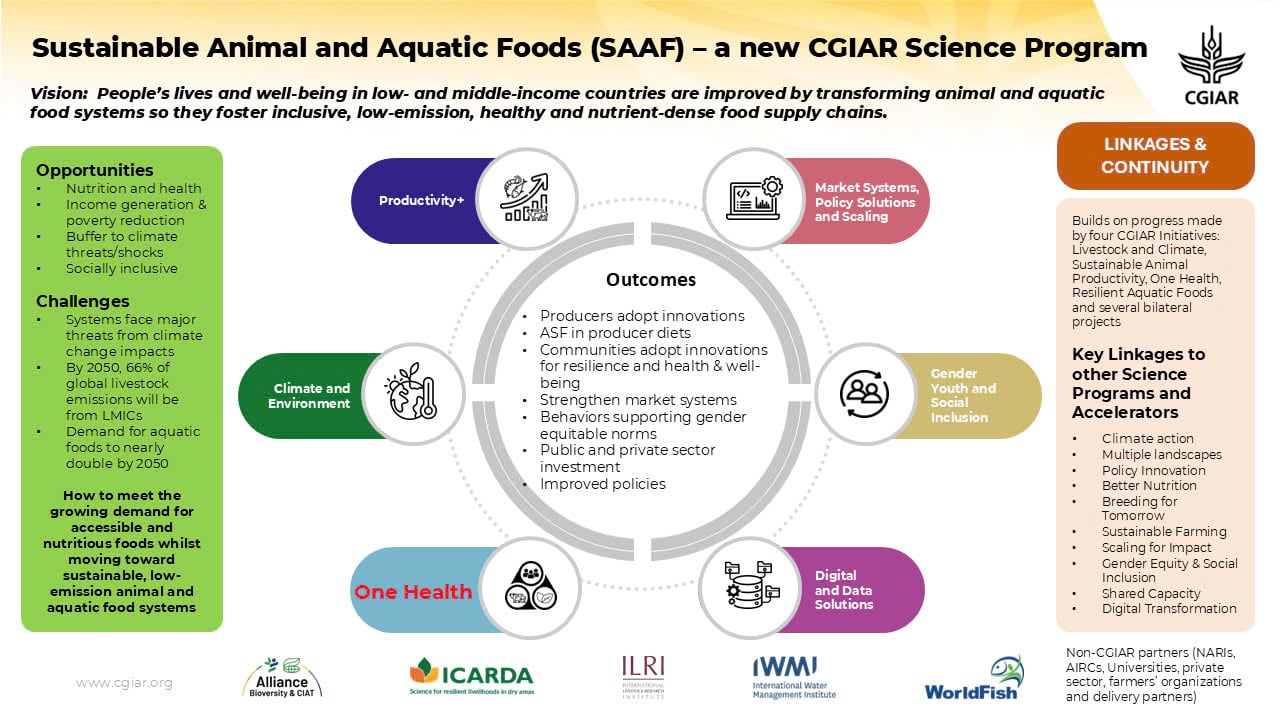
SAAF (Sustainable Animal and Aquatic Food Systems) is one of eight CGIAR (Consultative Group on International Agricultural Research) Science Programs, focused on creating sustainable solutions within animal and aquatic food systems.
Translated by Dieu Linh

(VAN) Due to heatwaves and water shortages, weed outbreaks are surging in the Mekong Delta’s summer-autumn rice crop. Dong Thap is ramping up early-season weed management to cut costs and safeguard yields.

(VAN) At the Vegetable and Fruit Seed Research and Production Farm in Bac Ha, pear, peach, and plum orchards are carefully maintained to conserve valuable genetic resources and support the development of temperate fruit crops.
/2026/06/02/4947-3-223411_779.jpg)
(VAN) Protecting forests not only preserves natural resources but also helps safeguard water sources, living environments, and the foundation for long-term sustainable development.

(VAN) Jackfruit prices remain low despite the recent increase as exports to China struggle. Dong Nai is tightening quality control to restore the market.

(VAN) Mekong Delta farmland is degrading due to chemical abuse. Restoring soil with organic and microbial fertilizers while reducing chemicals is now urgent.
/2026/06/01/1824-2-211343_500.jpg)
(VAN) Quang Ngai province is implementing many measures to protect sargassum resources, contributing to restoring aquatic resources, preserving biodiversity, and creating sustainable livelihoods.

(VAN) Farmers in Phu Thuan Commune, Da Nang preserve healthy soil and maintain chemical-free farming seasons, producing clean sesame and bean export products.
