May 26, 2026 | 00:54 GMT +7
Hotline: 0913.378.918

May 26, 2026 | 00:54 GMT +7
Hotline: 0913.378.918
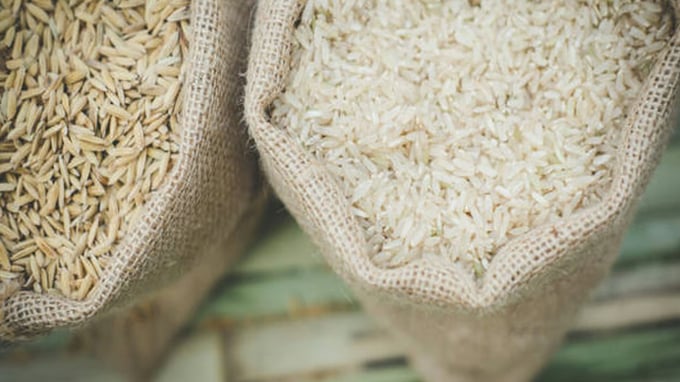
The Indian government has lifted the ban on the export of broken rice, a decision that could potentially lead to a drop in global rice prices.
The Indian government has lifted the ban on the export of broken rice, a decision that could potentially lead to a drop in global rice prices. Experts estimate that India, the world's largest rice exporter, could ship over two million metric tonnes of broken rice to international markets.
The Directorate General of Foreign Trade (DGFT), in a notification dated 7 March, amended the export policy of broken rice from 'Prohibited' to 'Free' with immediate effect. The restriction had been in place since September 2022.
The Ministry of Commerce and Industry stated in the notification that India would allow 100 per cent export of broken rice, removing it from the restricted category. The ban was initially imposed due to concerns over El Niño-induced weaker monsoons, which led to lower rice production in 2023. However, surplus rainfall in 2024 resulted in a bumper rice harvest, prompting the government to ease the restriction.
The export ban had previously led to lower domestic rice prices and an increase in stock levels. Despite this, demand in the global market remains sluggish.
“The impact in the coming days would be a reduction in international rice prices,” said E Rajiv Kumar, a rice trade expert. “Since the stock is in abundance, therefore, prices in India will remain subdued.”
Experts believe that allowing exports could benefit African nations by making rice more affordable. Additionally, broken rice is in high demand in China, where it is used to manufacture livestock feed. Ethanol industries are also expected to purchase broken rice for biofuel production.
newindianexpress

(VAN) A growing-zone registration code is now the essential credential that earns a Vietnamese durian a place on supermarket shelves in Shanghai or Guangzhou.

(VAN) On May 23, the People’s Committee of Lam Dong Province organized a conference to assess potential, promote trade, and strengthen market connections for the consumption of the province’s agricultural products.

(VAN) Production linkages, emissions reduction, technology adoption, and green logistics have been identified as the key pillars of sustainable agriculture in Vietn Nm's next development phase.

(VAN) Through the GO! supermarket network, Gia Lai’s agricultural products, OCOP goods and local specialties can access modern distribution channels nationwide.

(VAN) In April, durian export turnover increased by approximately 2.5 times over the same period in 2025, despite still being at the beginning of the harvest.

(VAN) The signing of a cooperation agreement between the Dak Lak Durian Association, Simexco Daklak, and Chinese enterprises aims to position the Dak Lak durian brand in the Chinese market.

(VAN) Chili farmers in Can Tho are placing their trust in value-chain partnerships and cooperate with businesses to produce according to standardized practices.
