October 10, 2025 | 20:01 GMT +7
Hotline: 0913.378.918

October 10, 2025 | 20:01 GMT +7
Hotline: 0913.378.918
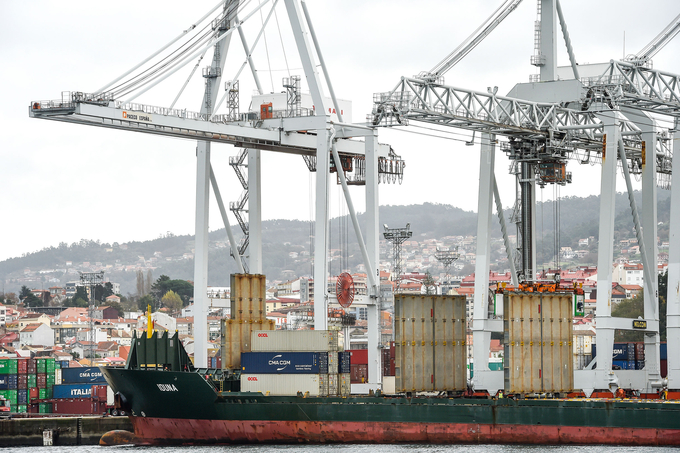
The Director-General told the meeting that trade facilitates access to higher quantities and lower prices for all foods and significantly contributes to dietary diversity, increasing the number of products supplied by countries twofold.
The G20 can make a significant contribution to global food security by promoting market transparency, refraining from adopting trade restrictions, and revitalizing agricultural negotiations at the World Trade Organization (WTO), the Director-General of the Food and Agriculture Organization of the United Nations (FAO), QU Dongyu, on Friday told a G20 meeting of agriculture ministers in Brazil.
FAO has long championed the benefits of open, rules-based trade to global food security. Trade policies that promote openness and reduce barriers not only help stabilize food prices and ensure a steady supply of diverse food products, but also foster international cooperation. By participating in trade, countries can exchange knowledge, technology, and best practices, which can help to improve agricultural practices and increase resilience to climate change, Qu said.
According to FAO data analysis, trade facilitates access to higher quantities and lower prices for all foods and significantly contributes to dietary diversity, increasing the number of products supplied by countries twofold. The Director-General said these effects are significant for net food-importing countries, again confirming through data and hard evidence that agricultural trade is essential for global food security and nutrition.
In his remarks to the G20 agricultural ministers’ meeting on Sustainable Food Systems and Agricultural Trade held in Chapada dos Guimarães, the Director-General called on the G20 to continue to promote market transparency, for instance, through the Agricultural Market Information System (AMIS), of which FAO is a key member, and by providing support in the form of data and information.
Qu also highlighted the detrimental effects of trade restrictions, which can disrupt the balance of food supply and demand across different regions. These restrictions not only harm global food security but also create a ripple effect across countries, widening the problem and ultimately undermining global efforts to ensure a stable and affordable food supply for all, he warned.
Finally, the G20 should help revitalize the agricultural negotiations at the WTO.
“Multilateralism and a free, fair, predictable, non-discriminatory and rules-based multilateral trading system is key for promoting agricultural and rural development and contributing to global food security and improved nutrition,” Qu said.
Agrifood systems transformation
As global agrifood systems face unprecedented pressure, it is crucial to transform them to be more efficient, more inclusive, more resilient, and more sustainable to ensure food security, environmental sustainability, and economic prosperity for future generations, the Director-General said.
This involves producing more with less by adopting practices that minimize environmental impacts such as greenhouse gas emissions and preserve biodiversity. It also involves optimizing the use of inputs such as water, energy, pesticides, and fertilizers and reducing food losses. Techniques such as conservation tillage, integrated pest management, and crop diversification help reduce the use of agrochemicals, improve soil health, and enhance biodiversity.
At the same time, innovation and technology play a crucial role in advancing sustainable agrifood systems - from precision agriculture and digital farming to biotechnology and renewable energy.
“By investing in research and development, we can unlock new solutions to the challenges facing our agrifood systems and drive progress towards a more sustainable future,” QU said.
Another important aspect of sustainable agrifood systems is the promotion of social equity. This involves ensuring that all people have access to nutritious and affordable food and supporting the livelihoods of small-scale farmers and rural communities.
In this context, FAO's Strategic Framework 2022-2031 is built around the concept of the Four Betters: Better Production, Better Nutrition, a Better Environment, and a Better Life – leaving no one behind.
(FAO)

(VAN) The people who are most vulnerable to the hard-to-breathe air that comes with climate change may inadvertently be adding to the problem, new research finds.

(VAN) Director-General QU Dongyu announces series of initiatives following global livestock conference.

(VAN) China’s freeze on U.S. soybean purchases hits a key GOP constituency in the run-up to 2026 midterm elections.

(VAN) President Xi Jinping's festive greetings ahead of the eighth Chinese Farmers' Harvest Festival, which fell on Tuesday this year, were a clear signal that China regards food security as a core strategic issue.

(VAN) BBNJ Agreement will enter into force in January.

(VAN) Demonstrations have been planned around the world this week ahead of the United Nations General Assembly and New York Climate Week.

(VAN) After years of intense deliberation, the European Commission has finally given its nod to the Mercosur and Mexico agreement.
