July 21, 2026 | 10:36 GMT +7
Hotline: 0913.378.918

July 21, 2026 | 10:36 GMT +7
Hotline: 0913.378.918
At the working session, Dr. Phan Viet Ha, Deputy Director of the Western Highlands Agriculture and Forestry Science Institute (WASI), reported to the Deputy Minister that WASI is a public non-business unit under the Viet Nam Academy of Agricultural Sciences. The Institute currently has two leaders, two functional divisions, five research departments, and three affiliated centers, with a total of 235 officials and employees.
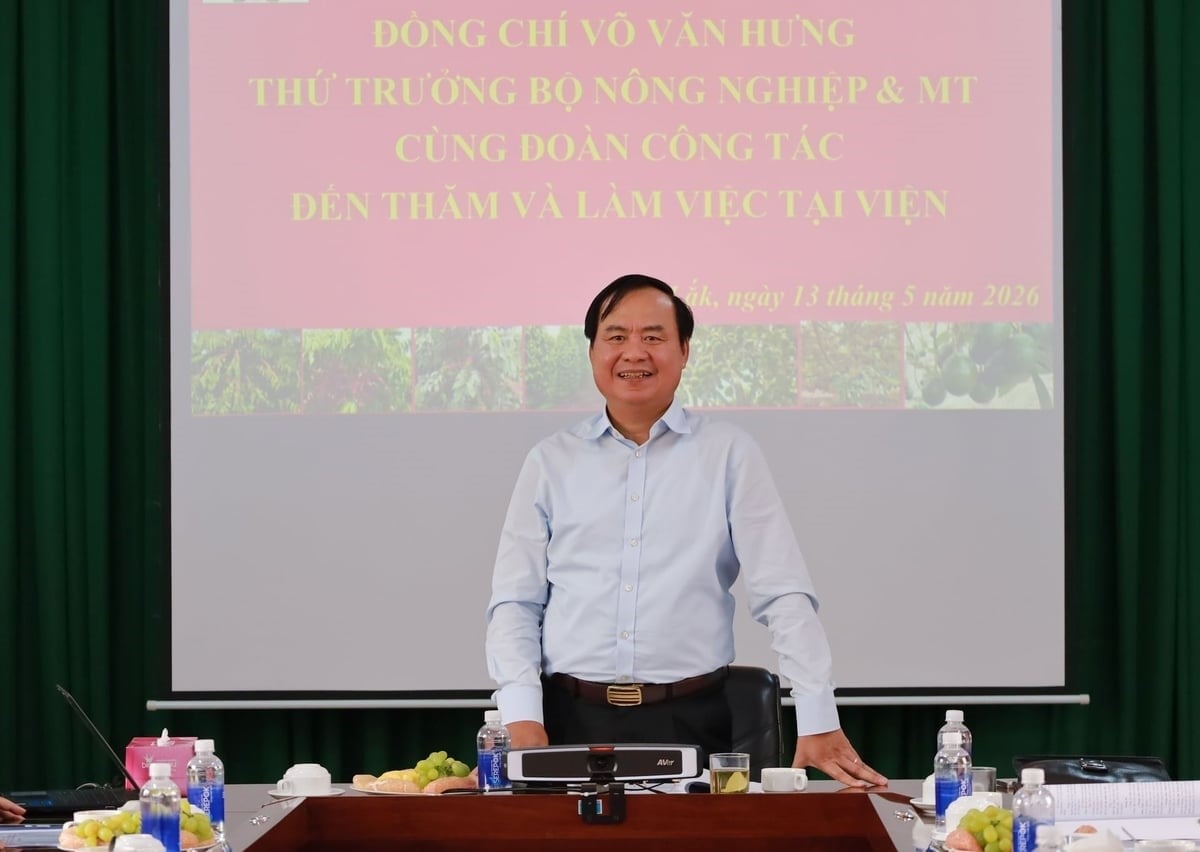
Deputy Minister of Agriculture and Environment Vo Van Hung and his delegation held a working session with WASI. Photo: Phuong Chi.
In terms of professional capacity, the Institute has 13 doctors, 68 masters, and 74 university graduates. The Institute is tasked with scientific research, technology transfer consultancy, and international cooperation in agroforestry to support socio-economic development in the Central Highlands. For coffee, cocoa, and pepper, the Institute is responsible for research and technology transfer nationwide.
According to Dr. Phan Viet Ha, the Institute implements 40-80 science and technology transfer tasks annually, the majority of which involve technology transfer to units and enterprises both within and outside the province. During the 2016–2026 period, the Institute carried out 7 national-level science and technology tasks, 24 ministerial-level tasks, 34 local-level tasks, and more than 53 collaborative or component tasks with other units.
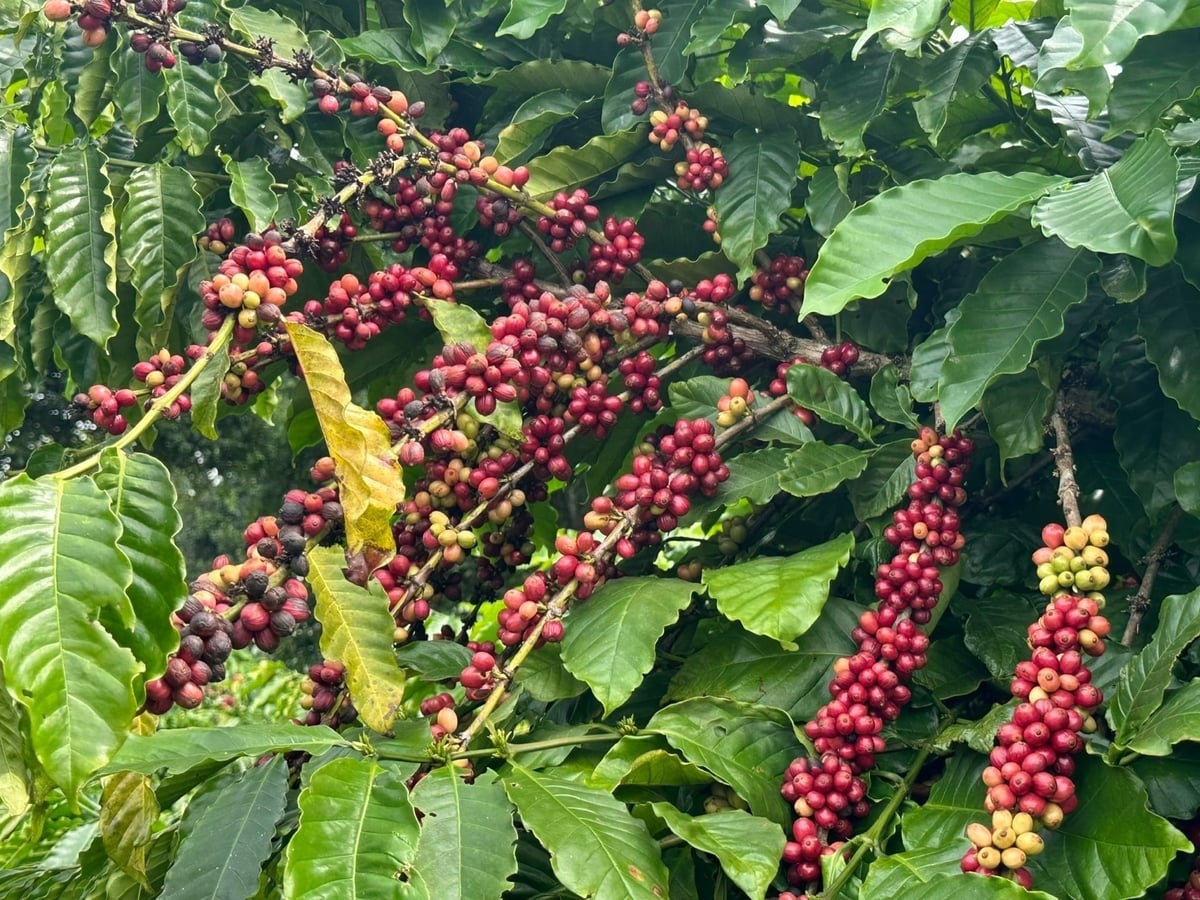
During the 2016–2026 period, WASI selected six new crop varieties. Photo: PC.
"During the 2016-2025 period, WASI implemented two projects on coffee and pepper varieties; carried out two projects to upgrade equipment; and one project to enhance research capacity for coffee varieties. Notably, the Institute has been implementing 43 international cooperation tasks," said Dr. Phan Viet Ha.
In terms of plant varieties, during the 2016–2026 period, WASI had six newly selected crop varieties recognized by the Ministry of Agriculture and Environment and 13 varieties approved for trial production. Varieties developed and selected by the Institute demonstrate outstanding advantages in yield, quality, and climate change adaptability. Currently, more than 80% of the Institute's coffee varieties are used for replanting and new cultivation, contributing significantly to Viet Nam achieving the world's highest coffee productivity (average yield of 3 tons/hectare).
Regarding technical advances, in the 2016–2026 period, the Institute had 11 technical advances and five processes recognized by the Ministry of Agriculture and Environment. In recent years, it has developed hundreds of models to transfer technology into production, covering hundreds of hectares.
In terms of production and business, the Institute produces 4–8 tons of coffee seeds annually (with a capacity of 20–30 tons/year, equivalent to 20,000–30,000 hectares/year). The unit also produces 3–4 million seedlings/year, including coffee, pepper, fruit trees, forestry species, and mulberry (with a potential capacity of 10–15 million seedlings/year), as well as 1–2 million grafted cuttings, mainly for coffee.
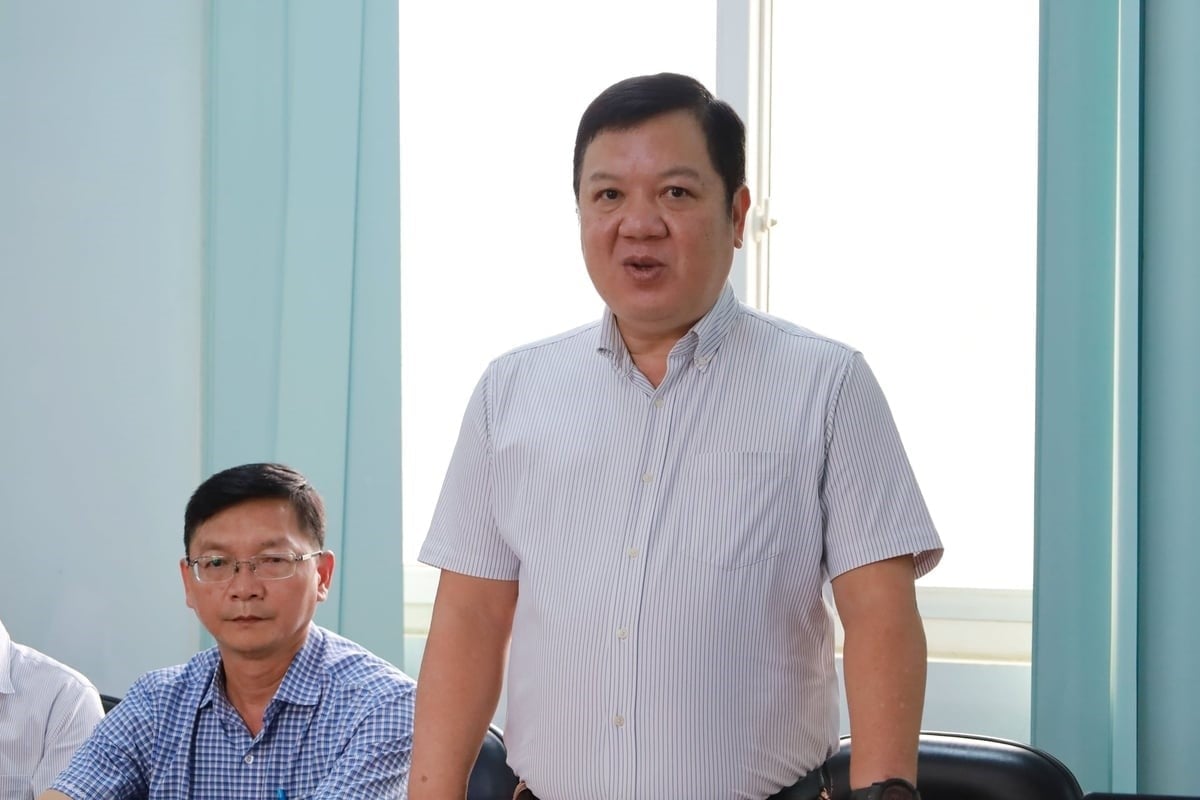
Dr. Phan Viet Ha, Deputy Director of WASI, delivered a report at the working session. Photo: Phuong Chi.
Despite notable achievements in research and the transfer of key crop varieties, Dr. Phan Viet Ha noted that WASI currently faces several challenges, particularly the ongoing "brain drain," which has led to a shortage of research staff, especially experienced and highly qualified personnel.
The Institute's facilities and office buildings, along with those of its affiliated centers, have deteriorated, while research and laboratory equipment have become outdated and no longer meet the increasingly high and specialized demands of scientific research. In addition, the Institute's nursery and seed production systems have received limited investment and upgrades, and capacity remains insufficient to meet regional demand.
In light of these challenges, Dr. Phan Viet Ha proposed that the Ministry of Agriculture and Environment invest in upgrading facilities and equipment to replace obsolete and damaged assets. He also recommended that the Ministry invest in upgrading a laboratory that meets international standards to support the analysis and quality assessment of agricultural products for export, thereby contributing to the stability of durian and fruit exports in the Central Highlands.
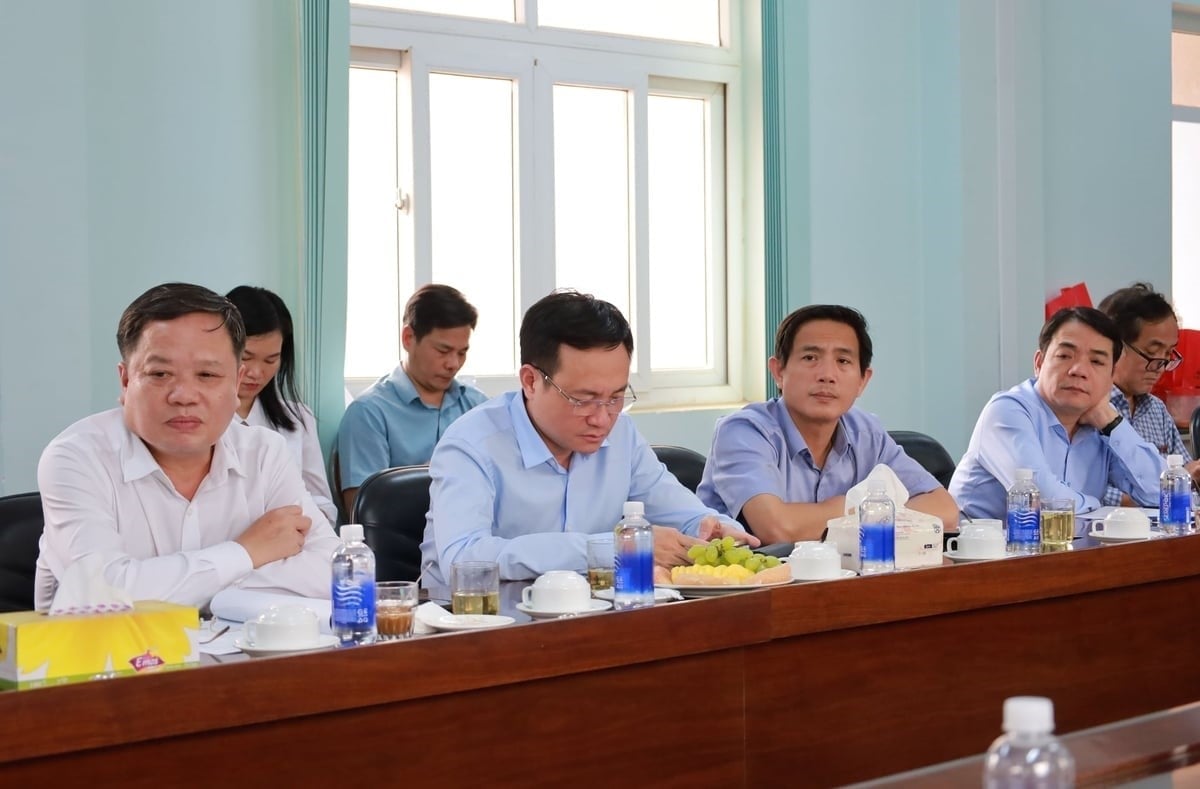
A delegation from the Ministry of Agriculture and Environment held a working session with WASI. Photo: Phuong Chi.
Speaking at the working session, Deputy Minister Vo Van Hung commended and highly appreciated the Institute's achievements in researching and transferring technical advances in key crops, especially coffee, helping Viet Nam attain the world's highest coffee productivity.
The Deputy Minister emphasized that the Institute plays a particularly important role in socio-economic development and in ensuring national defense and security in the Central Highlands. Its core contribution lies in researching, transferring, and delivering scientific and technical advances to farmers, especially those in disadvantaged areas who urgently need knowledge, farming practices, and plant disease prevention measures.
However, according to Deputy Minister Vo Van Hung, current requirements go beyond research alone; more importantly, the Institute must identify effective, practical solutions that farmers can apply to achieve high efficiency, reduce risks, and ensure successful market uptake.
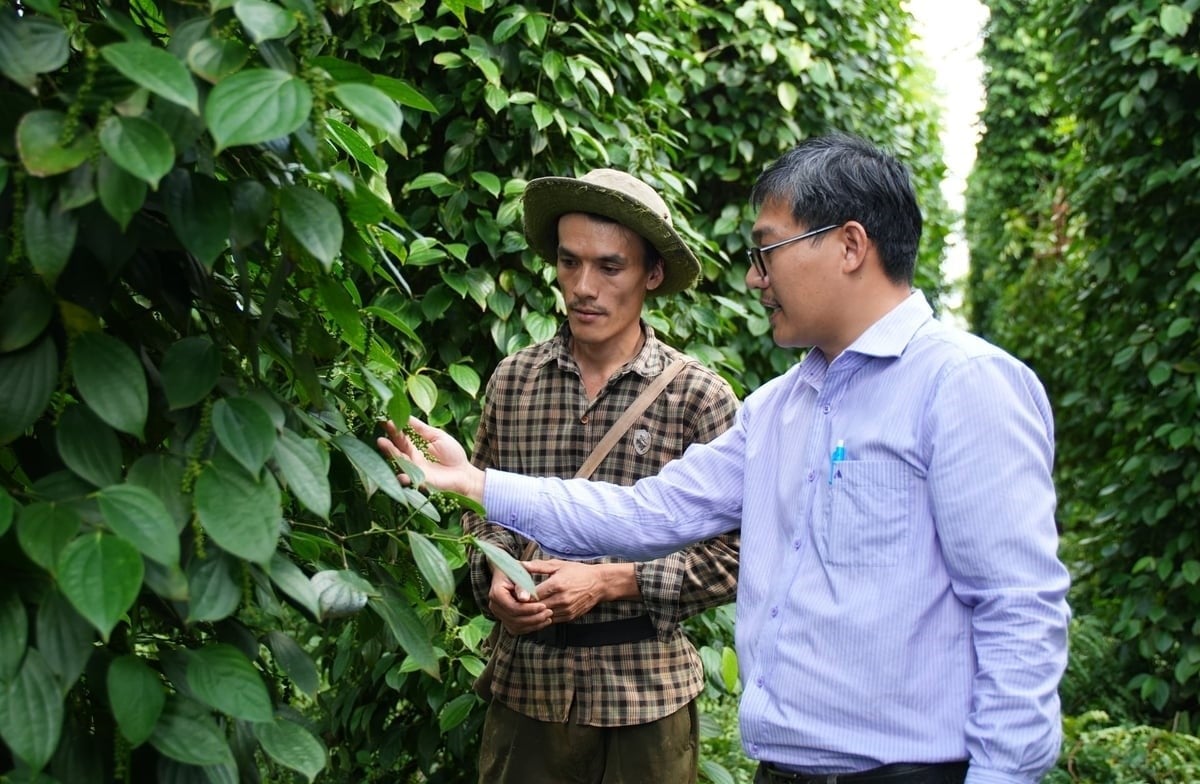
WASI has achieved significant results in research and transfer of key crop varieties in the Central Highlands. Photo: Phuong Chi.
Therefore, research activities need to be more closely aligned with practical conditions and the needs of businesses and the market. Technical processes must be continuously updated and adjusted to suit climate change, soil conditions, and local farming practices.
Additionally, the Institute should pay attention to long-term issues such as soil resource protection and the prevention of degradation and pollution. Reality in some production areas indicates risks of heavy metal accumulation and declining soil fertility if solutions are not implemented in a timely manner. These are major challenges that require stronger engagement from the scientific community.
Deputy Minister Vo Van Hung also urged WASI to further improve the quality of its research in line with practical needs, focusing on developing solutions to enhance production efficiency, adapt to climate change, prevent diseases, and increase the value of agricultural products.
Translated by Thu Huyen

(VAN) Lai Chau is passing by in a hurried rhythm at this time. Everyone is working tirelessly against the clock, devoting all efforts to overcoming the aftermath of the disaster.

(VAN) Some countries consider agriculture a public service, so the state must invest in it, according to Ass. Prof Dr. Dao The Anh, former Deputy Director of the Viet Nam Academy of Agricultural Sciences.

(VAN) The Minister of Agriculture and Environment of the Lao PDR recognizes the VRG's significant contributions over two decades of investment and operations in Laos.

(VAN) The VNMHA held a conference to review its work over the first six months of the year and set out priority directions and tasks for the second half of 2026.

(VAN) Khanh Hoa Sea Festival 2026, themed ‘Colors of the Ocean - Reaching International Scale,’ conveys a message of green marine economic development, integration, and Khanh Hoa's rising position.

(VAN) Viet Nam and the Food and Agriculture Organization of the United Nations (FAO) have launched a project to strengthen water resources management, reduce pollution and restore water quality in the Gulf of Tonkin.

(VAN) The draft Law on Marine and Island Resources and Environment (Revised) introduces new policies on marine spatial management, marine economic development
