December 5, 2025 | 21:14 GMT +7
Hotline: 0913.378.918

December 5, 2025 | 21:14 GMT +7
Hotline: 0913.378.918
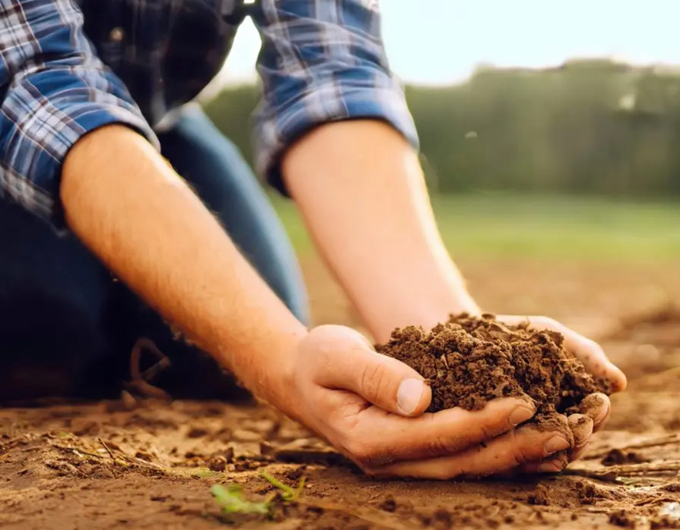
This finding sets the stage for a game-changing shift in agriculture.
The study was focused on “mini-livestock,” including the humble yellow mealworm, the bouncy banded cricket, and the robust black soldier fly.
Often underestimated, these insects are being cultivated as an alternative protein source for animals, playing a crucial role in the shift toward more sustainable agricultural practices. However, what they leave behind may be just as valuable – if not more – than the protein they provide.
Insect frass is a nutrient-rich byproduct of insect farming. In contrast to regular manure, frass is inherently pathogen-poor and rich in nutrients such as nitrogen, phosphorus, and carbon.
The nutrients in insect frass make it a promising organic fertilizer that can augment soil health and plant growth without reliance on synthetic fertilizers. This finding sets the stage for a game-changing shift in agriculture.
In previous studies, a team of researchers led by the United States Department of Agriculture (USDA)’s Agricultural Research Service (ARS) set out to explore the potential benefits of insect frass.
The results showed that frass can compete with fossil fuel-based fertilizers with its higher carbon and nitrogen content, while being less pathogenic than other animal manures.
Collaborating with partners from the University of Arkansas System Division of Agriculture, the ARS team further studied the potential of frass as an organic fertilizer when used as a soil amendment.
The researchers embarked on an intense two-year field study. The results were quite astounding.
Yellow mealworm frass demonstrated impressive capabilities. It managed to double the soil’s carbon content while tripling its nitrogen content.
This was significantly higher compared to other sources such as poultry litter and ammonium nitrate. Most importantly, the frass-enriched soil produced similar crop yields and carbon dioxide emission rates.
“Insect frass substantially improved soil fertility which showed its ability to be used as an alternative to inorganic fertilizers,” said Amanda Ashworth, a soil scientist at the ARS Poultry Production and Product Safety Research Unit in Fayetteville, Arkansas.
“This is important since insect farming is on the rise and circular agricultural systems (agricultural by-products that are recycled back into production systems) can be sustainable avenues for growing foods in the future.”
The question is, are we ready to embrace this change? As the world witnesses an increased demand for sustainable protein sources, the insect farming industry is experiencing a surge in growth.
According to the Global Edible Insects Market Forecast to 2030 report, the industry is set to grow at an annual pace of 28%, with an anticipated market value of $8 billion U.S. dollars by 2030.
Insect frass stands as a powerful catalyst for change, moving us towards a greener future. It promises a sustainable alternative in agriculture – one that makes use of waste to enhance our environment and feed our growing populations.
The research shows that insect frass is not just waste – it’s a potential goldmine, waiting to be discovered and harnessed.
As the agricultural industry shifts toward more eco-friendly practices, insect frass is being recorgnized as an important player in regenerative farming.
In contrast to traditional fertilizers, which can degrade the soil and contaminate water, insect frass promotes microbial activity and improves soil structure.
This natural byproduct not only replenishes essential nutrients but also supports long-term soil health by promoting beneficial bacteria and fungi.
With fears of fertilizer shortages and environmental damage due to synthetic alternatives looming, insect frass presents a promising alternative.
So far, farmers who have embraced this organic amendment are reporting greater crop resilience, reduced chemical input dependence, and soil biodiversity improvements.
As research continues, insect frass may ultimately transform the way food is grown, making agriculture not only more productive but truly sustainable.
earth

(VAN) As of 2025, the ASEAN region has a total of 69 ASEAN Heritage Parks recognized across its 10 member states. Among them, Viet Nam contributes 15 ASEAN Heritage Parks.

(VAN) Yok Don National Park has high biodiversity with numerous endemic plant and animal species, and it is also the only dipterocarp forest ecosystem conservation area in Viet Nam.

(VAN) Viet Nam and Brunei signed two important MOUs on fisheries and IUU, expanding cooperation in agriculture, the environment, and Halal exports, aiming to substantively implement joint projects.

(VAN) The Viet Nam Coconut Association worked with the International Finance Corporation (IFC) and businesses to promote the supply chain, enhance competitiveness, and develop the coconut industry sustainably.
![Hue aims for Net Zero: [2] Pioneering low-emission tourism](https://t.ex-cdn.com/nongnghiepmoitruong.vn/608w/files/huytd/2025/12/04/0633-dulichzero-4-095634_236-161125.jpg)
(VAN) The ancient capital of Hue has developed Net Zero tourism products and models, aiming to reduce carbon emissions and pioneer the establishment of Viet Nam's green tourism destination.

(VAN) C.P. Viet Nam has announced the successful completion of its goal to plant 1.5 million trees during the 2021-2025 period, a key milestone within company's long-term ESG strategy and its roadmap for emission reduction.

(VAN) This is an initiative of MAE aimed at creating a unified coordination mechanism to implement agricultural cooperation programs with developing countries.
